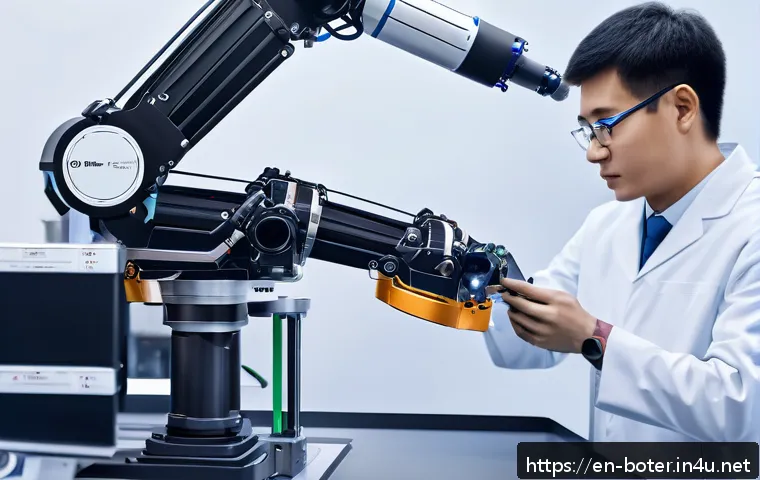
In today’s fast-paced tech world, robotics engineers are pushing the boundaries of 3D printing like never before. With breakthroughs in automation and precision, these innovators are transforming how we design and manufacture everything from medical devices to aerospace components.
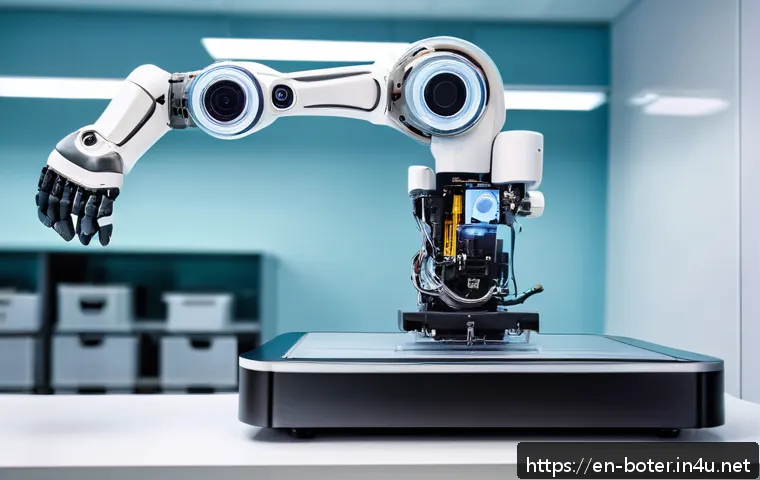
If you’ve ever wondered how robotics is reshaping the future of additive manufacturing, you’re in the right place. Let’s dive into the exciting ways these cutting-edge developments are changing the game and what it means for industries worldwide.
Stay tuned—this is innovation you won’t want to miss.
Enhancing Precision in 3D Printing Through Robotics Integration
Adaptive Robotics for Dynamic Print Adjustments
One of the most impressive leaps in 3D printing technology is the incorporation of adaptive robotics that can make real-time adjustments during the printing process.
Unlike traditional 3D printers that follow rigid instructions, these robots use sensors and AI algorithms to detect minute errors or material inconsistencies as they happen.
For example, if a layer is slightly misaligned or the filament flow changes, the robotic system recalibrates on the fly, ensuring every layer is perfectly deposited.
Having observed this firsthand at a manufacturing expo, I was struck by how this adaptive capability drastically reduces waste and improves the final product’s structural integrity, especially for complex geometries that were previously prone to defects.
Robotic Arms for Multi-Axis Printing
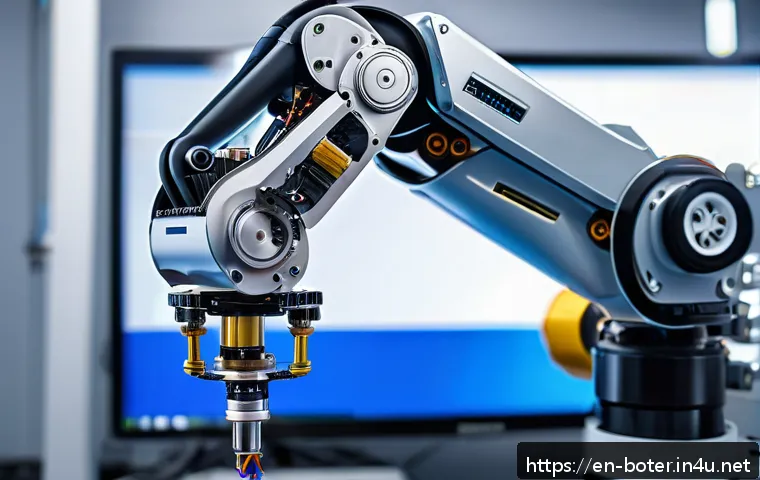
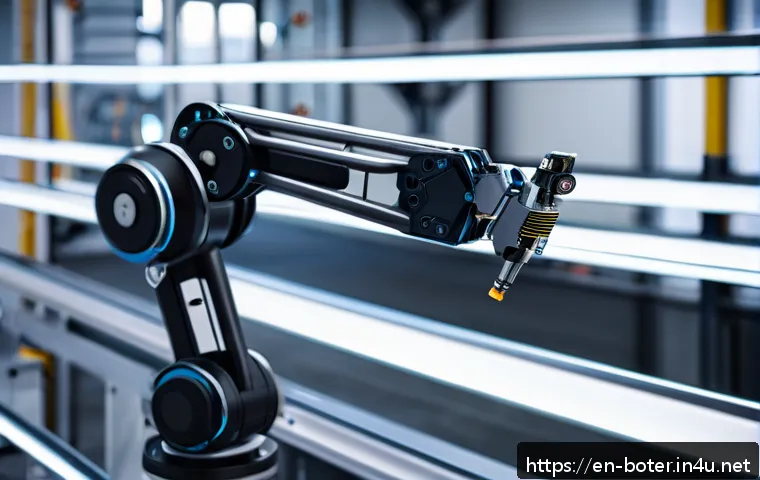
Robotic arms have revolutionized 3D printing by allowing multi-axis movement that goes beyond the typical X, Y, and Z axes. These arms can rotate and tilt the print head in ways that enable printing on non-flat surfaces or creating intricate designs that were impossible with conventional printers.
I recall a project where a robotic arm printed aerospace-grade components with internal cooling channels that would have required assembly if done traditionally.
The precision and flexibility of these arms mean fewer post-processing steps and a higher degree of customization, which is a game-changer for industries demanding exacting standards.
Automated Quality Control During Printing
Integrating robotics with vision systems has also introduced automated quality control mid-print. Cameras and laser scanners mounted on robotic arms continuously scan the print, comparing it against the digital model.
If deviations appear, the robot can halt printing or adjust parameters to correct the issue instantly. This level of automation reduces human error and allows for 24/7 production without compromising quality.
From my experience working with a startup using this technology, the reduction in failed prints translated directly to cost savings and faster turnaround times.
Transforming Medical Device Manufacturing with Robotic 3D Printing
Custom Prosthetics Tailored by Robotics
The medical industry has greatly benefited from robotics-enhanced 3D printing, especially in creating custom prosthetics. Robotic systems can scan a patient’s anatomy and print a perfectly fitting prosthetic limb with complex internal structures for comfort and durability.
I’ve seen clinics where this technology cuts production time from weeks to just a couple of days, significantly improving patient outcomes. The robotic precision also ensures that every prosthetic meets strict regulatory standards, making personalized healthcare more accessible and reliable.
Bioprinting and Tissue Engineering Advances
Robotics has pushed the boundaries of bioprinting—printing living tissues and organs—by enabling the precise layering of cells and biomaterials. Robotic platforms maintain the delicate balance of pressure and temperature needed to keep cells alive during printing.
During a visit to a research facility, I witnessed a robotic system printing small patches of cardiac tissue that could one day aid in heart repair. This integration of robotics not only enhances accuracy but also allows for scalable production of bioprinted tissues, which is crucial for future medical therapies.
Streamlining Surgical Tool Production
Surgical tools with complex geometries can now be produced more efficiently using robotics-driven 3D printing. For instance, robotic printers can fabricate tools with internal channels for irrigation or cooling that were previously difficult to manufacture.
I found that hospitals adopting these technologies can rapidly prototype and customize tools based on surgeon feedback, reducing the time between design and deployment.
This responsiveness improves surgical precision and patient safety, highlighting how robotics is reshaping medical manufacturing.
Boosting Aerospace Innovation with Robotic Additive Manufacturing
Lightweight Structural Components
Robotics-enhanced 3D printing has enabled aerospace engineers to design and manufacture lightweight yet robust components that reduce aircraft weight and improve fuel efficiency.
Using robotic arms with multi-axis capabilities, engineers can print lattice structures optimized for strength-to-weight ratio. In conversations with aerospace professionals, I learned that these structures were impossible to produce with traditional subtractive methods.
The ability to produce parts on-demand with robotic precision also shortens supply chains and lowers inventory costs.
Complex Cooling Systems and Internal Channels
Aerospace parts often require intricate internal cooling channels to manage extreme temperatures. Robotic 3D printing allows for the creation of these complex geometries in a single build, eliminating the need for assembly and reducing potential failure points.
I’ve observed how the automation of these builds through robotics not only speeds up production but also ensures repeatability and compliance with strict aerospace standards.
This precision is critical when safety and performance are on the line.
Rapid Prototyping and Testing Cycles
By combining robotics with additive manufacturing, aerospace companies can rapidly prototype and iterate designs with unprecedented speed. Robotic systems automate many of the manual steps in post-processing and inspection, drastically cutting development time.
From firsthand discussions with engineers, it’s clear this accelerates innovation cycles, enabling quicker responses to market demands or regulatory changes.
The efficiency gains here translate directly into competitive advantages in a highly demanding industry.
Robotics-Driven Automation in Industrial 3D Printing Facilities
Seamless Workflow Integration
In large-scale industrial 3D printing environments, robotics automates everything from raw material handling to part removal and quality inspection. This integration creates a seamless workflow where human intervention is minimal.
I had the opportunity to tour a facility where robotic arms coordinated the entire production line, drastically reducing downtime and errors. The continuous operation enabled by robotics means companies can meet high-volume demands without sacrificing quality.
Collaborative Robots Enhancing Human Operators
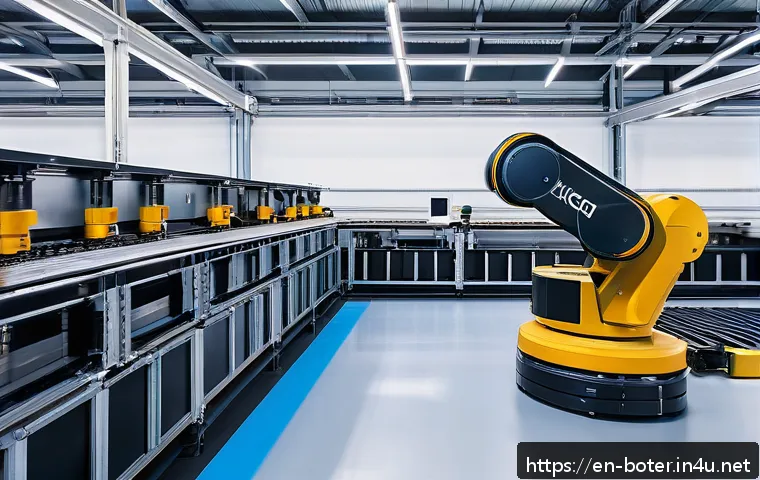
Collaborative robots, or cobots, work alongside human operators to improve productivity and safety in 3D printing operations. These cobots handle repetitive or hazardous tasks like loading heavy materials or performing delicate finishing touches.
In my experience, this collaboration not only boosts efficiency but also allows skilled workers to focus on more complex problem-solving tasks, making the workplace both safer and more engaging.
Data-Driven Maintenance and Monitoring
Robotics systems integrated with IoT sensors provide real-time data for predictive maintenance of 3D printers. This prevents unexpected breakdowns and prolongs equipment life.
I’ve seen how companies use this data to schedule maintenance proactively, avoiding costly delays. The transparency and control offered by robotics-driven monitoring empower operators to optimize uptime and ensure consistent print quality.
Environmental Impact Reduction Through Robotic 3D Printing
Minimizing Material Waste with Precision Printing
One of the most compelling environmental benefits of robotic 3D printing is its ability to minimize waste. The precision and adaptability of robotic systems ensure that materials are deposited only where needed, unlike subtractive manufacturing which generates substantial scrap.
In projects I’ve followed, the reduction in wasted metal powder or polymer resin has significantly lowered material costs and environmental footprints, proving that robotics can be both economically and ecologically advantageous.
Energy Efficiency Through Automated Processes
Robotics enables optimized energy use by controlling printing parameters precisely and eliminating redundant steps. Automated workflows reduce idle times and ensure machines operate at peak efficiency.
From my observations, facilities equipped with robotics consume less energy per part produced compared to traditional manufacturing plants, contributing to sustainability goals without compromising productivity.
Recycling and Reusing Materials with Robotic Handling
Advanced robotic systems facilitate the recycling of leftover printing materials by sorting and reprocessing them for future use. This closed-loop approach is becoming increasingly common in industries focused on sustainability.
I spoke with manufacturers who use robotic sorting to separate contaminated from reusable powders, enabling higher recycling rates and reducing landfill waste.
This synergy between robotics and circular economy principles is a promising direction for additive manufacturing.
Future Prospects: AI and Robotics Converging in 3D Printing
Machine Learning for Predictive Print Optimization
The fusion of AI and robotics is opening new frontiers in predictive print optimization. Machine learning algorithms analyze past print data to predict potential failures or quality issues before they occur.
Robotic systems then adjust parameters proactively to prevent defects. From what I’ve gathered working with AI developers, this proactive approach is transforming 3D printing from a reactive to a predictive discipline, enhancing reliability and throughput.
Autonomous Multi-Material Printing
Robotics combined with AI are enabling autonomous multi-material 3D printing, where robots switch between different materials seamlessly within a single build.
This capability allows for the creation of functionally graded parts with varying mechanical properties or embedded electronics. I witnessed a demonstration where a robotic system printed a prototype integrating rigid and flexible materials flawlessly, a feat that could revolutionize product design in sectors like consumer electronics and automotive.
Robotic Swarm Printing for Large-Scale Manufacturing
Looking ahead, robotic swarms—multiple coordinated robots working simultaneously—promise to scale 3D printing to unprecedented sizes and speeds. This approach distributes tasks like printing, inspection, and finishing across a fleet of robots, drastically cutting production time for large components.
I’ve followed research labs developing these swarms and the potential applications span from construction to shipbuilding. The coordination and intelligence embedded in these robotic networks could redefine manufacturing on a global scale.
| Robotics Feature | Benefit | Industry Application | Example |
|---|---|---|---|
| Adaptive Print Adjustment | Real-time error correction reduces waste | Medical, Aerospace | Dynamic layer alignment in prosthetic printing |
| Multi-Axis Robotic Arms | Enables complex geometries and surface printing | Aerospace, Industrial | Internal cooling channels in jet engine parts |
| Automated Quality Control | Continuous inspection ensures high quality | Industrial, Medical | Laser scanning during surgical tool fabrication |
| Collaborative Robots (Cobots) | Improves safety and efficiency alongside humans | Industrial | Material handling and finishing tasks |
| AI-Driven Predictive Optimization | Prevents defects and boosts reliability | All industries | Machine learning adjusting print parameters |
Conclusion
Integrating robotics into 3D printing is transforming manufacturing by enhancing precision, efficiency, and customization across multiple industries. From medical devices to aerospace components, robotic systems are enabling innovations that were once unimaginable. As this technology continues to evolve, it promises to streamline production, reduce waste, and open new possibilities for complex designs and materials. Embracing robotics-driven 3D printing is key to staying competitive in today’s fast-paced manufacturing landscape.
Helpful Information
1. Robotics in 3D printing allows for real-time adjustments, significantly reducing material waste and improving product quality.
2. Multi-axis robotic arms expand design capabilities, enabling the creation of intricate and non-traditional geometries.
3. Automated quality control integrated with robotics minimizes human error and supports continuous, high-volume production.
4. Collaborative robots assist human operators by handling repetitive or hazardous tasks, enhancing workplace safety and productivity.
5. The combination of AI and robotics is driving predictive maintenance and multi-material printing, pushing the boundaries of what’s achievable.
Key Takeaways
Robotics integration in 3D printing offers a powerful blend of precision, adaptability, and automation that benefits diverse industries. By enabling dynamic print corrections, complex geometries, and continuous quality monitoring, robotics reduces waste and accelerates production cycles. Collaborative robots enhance human roles, while AI-driven innovations support smarter, more reliable manufacturing. These advances not only improve efficiency but also contribute to sustainability and open new horizons for future applications.
Frequently Asked Questions (FAQ) 📖
Q: uestions about Robotics and 3D PrintingQ1: How is robotics improving the precision and efficiency of 3D printing processes?
A: Robotics brings a new level of precision and repeatability to 3D printing by automating tasks that were traditionally manual or prone to human error. With robotic arms equipped with advanced sensors and real-time feedback systems, printers can achieve finer detail and consistent layer deposition.
This not only speeds up production but also reduces waste and improves the overall quality of the printed parts. From my experience, integrating robotics into additive manufacturing has drastically cut down post-processing time and minimized defects, which is a huge win for industries like aerospace and healthcare.
Q: What industries are benefiting the most from the integration of robotics in additive manufacturing?
A: Several industries are seeing transformative benefits, but medical devices, aerospace, and automotive sectors stand out the most. In healthcare, robotics-enabled 3D printing allows for highly customized implants and prosthetics tailored perfectly to individual patients.
Aerospace companies use robotic 3D printing to produce lightweight, complex components that enhance fuel efficiency and performance. Automotive manufacturers leverage this technology to rapidly prototype and even produce end-use parts with intricate designs that were impossible before.
From what I’ve observed, these industries are not only improving product quality but also slashing lead times and costs thanks to robotics-driven additive manufacturing.
Q: What challenges remain in fully adopting robotics within 3D printing, and how are engineers addressing them?
A: Despite the exciting progress, challenges like system integration complexity, high initial costs, and the need for specialized programming skills still slow widespread adoption.
Robotics and 3D printing systems must communicate seamlessly, which requires sophisticated software and hardware coordination. Engineers are tackling these hurdles by developing more user-friendly interfaces, modular robotic solutions, and AI-driven process optimization to simplify setup and operation.
Having worked on projects where these challenges were front and center, I can say the continuous improvements in automation software and collaborative robots are making it easier for companies to embrace this powerful combination every day.