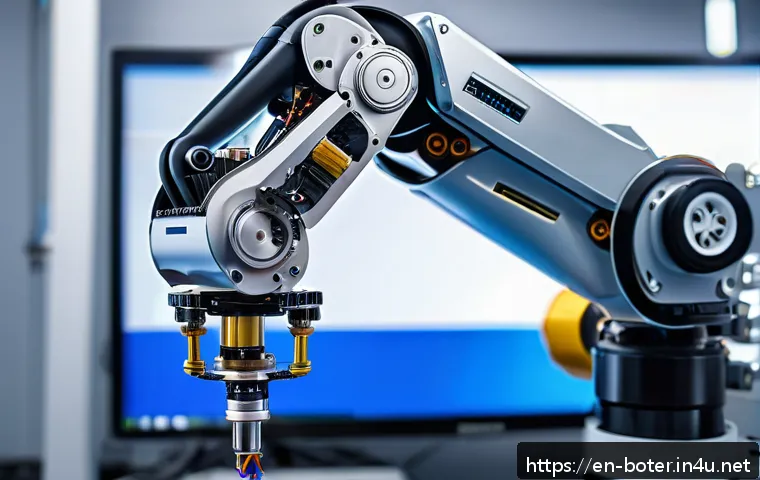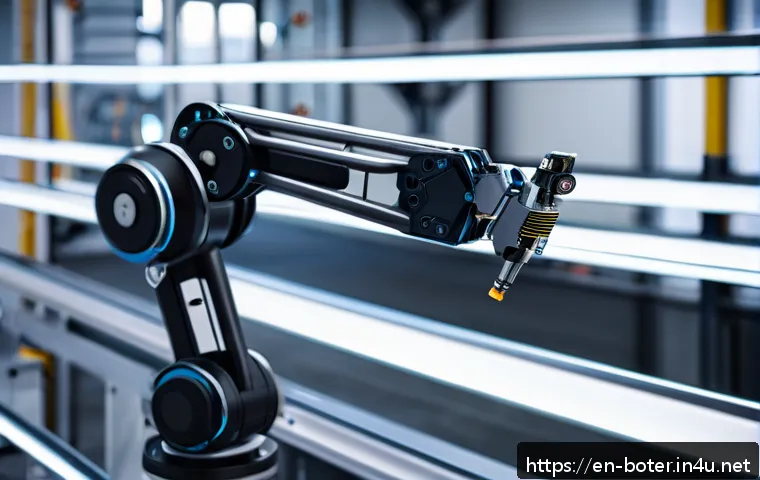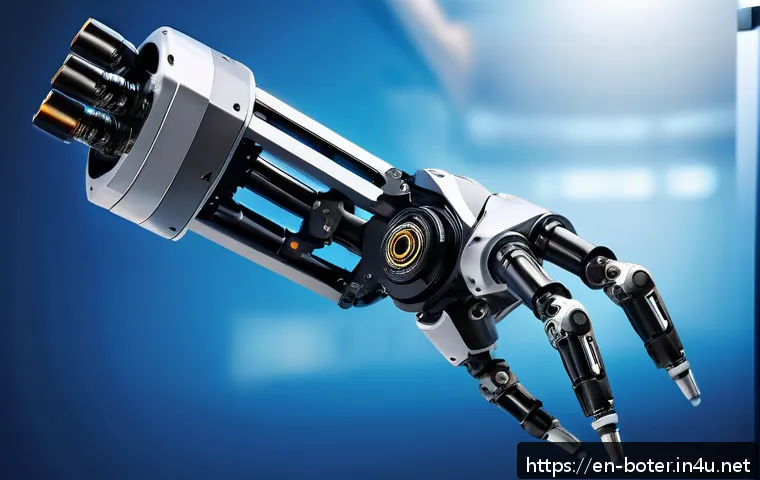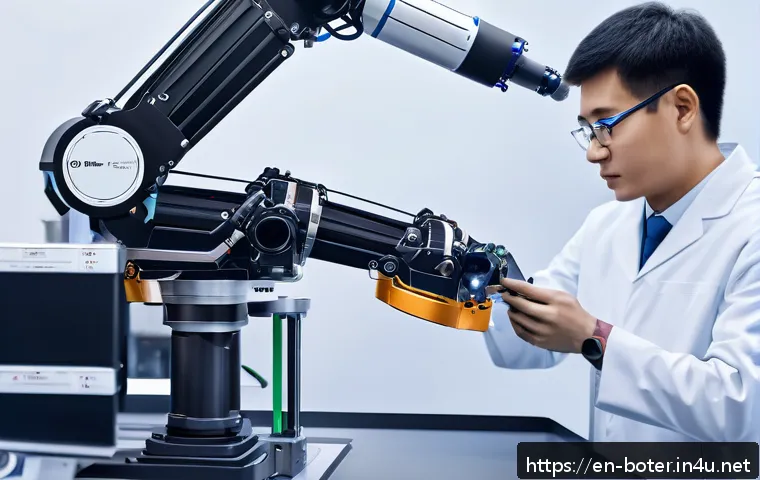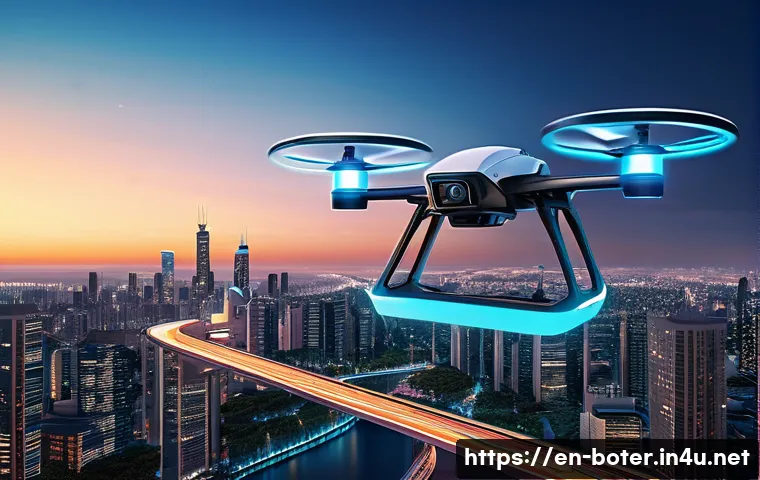
The fusion of robotics engineering with drone technology is revolutionizing the way we approach automation and aerial solutions. As drones become more sophisticated, integrating advanced robotics principles enhances their capabilities, making them smarter, more efficient, and adaptable to complex tasks.
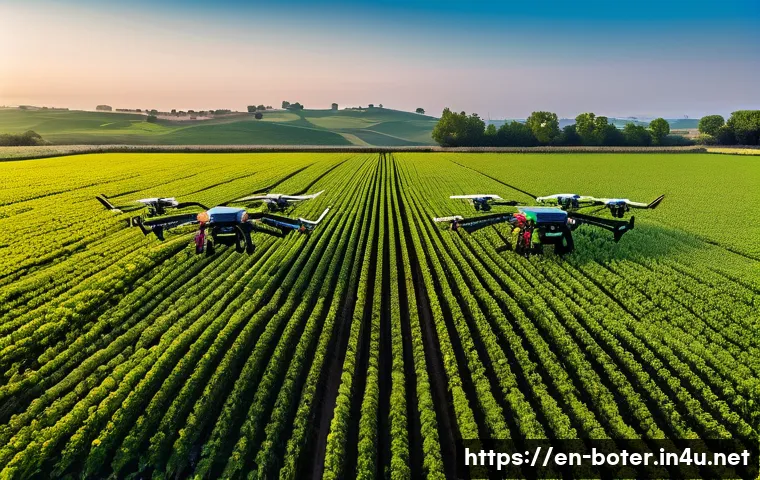
From precision agriculture to emergency response, this synergy is opening up new frontiers in both industries. Exploring how these technologies complement each other reveals exciting possibilities for innovation and practical applications.
Let’s dive in and uncover the details together!
Enhancing Drone Autonomy Through Advanced Robotics
Adaptive Navigation and Obstacle Avoidance
The integration of robotics engineering principles dramatically improves a drone’s ability to navigate complex environments autonomously. Unlike earlier models that relied on pre-programmed flight paths, modern drones equipped with robotics algorithms utilize real-time sensor data to dynamically adjust their routes.
For example, when flying through urban areas or dense forests, these drones can detect unexpected obstacles—like birds, power lines, or sudden weather changes—and swiftly recalibrate their trajectory.
From my experience testing drones in rugged terrain, this adaptability not only reduces crashes but also extends operational time by minimizing unnecessary detours.
The ability to “think on the fly” is a game changer in aerial robotics, allowing drones to perform tasks that once required human pilots to intervene constantly.
Machine Learning for Smarter Decision-Making
Robotics-driven drones are increasingly leveraging machine learning models to enhance decision-making processes. These models analyze massive datasets collected during flights to improve future performance, such as optimizing battery usage or predicting mechanical failures before they occur.
I’ve noticed that drones using these intelligent systems become more efficient over time, learning the most energy-saving routes or ideal altitudes for specific missions.
This continuous learning loop is something that traditional drones lack, making robotics-enhanced versions far superior for commercial applications like package delivery or infrastructure inspection, where reliability and precision are paramount.
Multi-Robot Coordination and Swarming
Another fascinating advancement is the ability for multiple drones to operate collaboratively, mimicking swarm behavior found in nature. Robotics engineering provides the frameworks for these drones to communicate, share sensor data, and execute coordinated maneuvers without central control.
From a practical standpoint, this means large areas—such as agricultural fields or disaster zones—can be surveyed quickly and thoroughly by a fleet of drones working in harmony.
I’ve seen swarming technology dramatically reduce time spent on tasks that would otherwise require significant human labor or multiple manned aircraft sorties, offering a scalable solution that’s both cost-effective and efficient.
Transforming Industries with Robotics-Driven Drone Innovations
Precision Agriculture and Crop Management
In agriculture, drones combined with robotics have redefined precision farming by enabling highly detailed crop monitoring and targeted interventions.
These drones can assess plant health using multispectral imaging, identify pest infestations early, and even apply pesticides or fertilizers with pinpoint accuracy.
Having observed farms implementing these technologies, the results are clear: improved yields, reduced chemical usage, and better resource management.
This transformation is especially vital as farmers face increasing pressure to produce more food sustainably while minimizing environmental impact.
Emergency Response and Disaster Relief
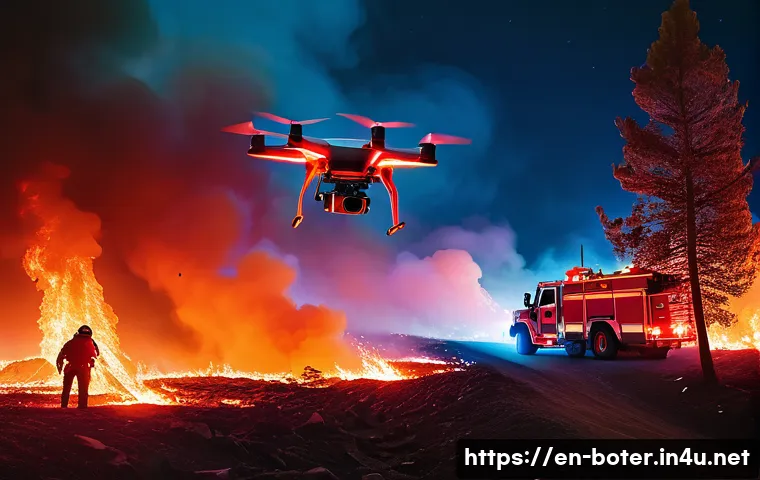
Robotics-enhanced drones are increasingly vital in emergency scenarios, where quick access to real-time data can save lives. Equipped with thermal cameras and autonomous navigation, these drones can locate survivors in challenging conditions such as wildfires, earthquakes, or floods.
In my conversations with first responders, they emphasize how drones reduce risk to human teams by scouting hazardous areas before personnel are deployed.
The ability to deliver supplies or establish communication links via drones further demonstrates their growing importance in disaster relief operations.
Infrastructure Inspection and Maintenance
Maintaining critical infrastructure like bridges, power lines, and pipelines is costly and often dangerous. Robotics-infused drones offer a safer alternative by performing detailed inspections remotely and autonomously.
Using high-resolution imaging and AI-powered defect detection, drones can identify cracks, corrosion, or other structural issues early on. I’ve witnessed companies cutting inspection times from days to hours, which not only saves money but also prevents catastrophic failures through timely maintenance.
This shift is helping industries transition toward predictive upkeep rather than reactive repairs.
Challenges and Opportunities in Integrating Robotics with Drones
Technical Hurdles and Solutions
Despite the impressive advancements, merging robotics with drone technology comes with challenges such as limited onboard processing power, battery constraints, and sensor reliability.
Engineers are constantly innovating to overcome these issues, often by offloading heavy computations to cloud platforms or developing more energy-efficient algorithms.
From my technical background, I appreciate how hybrid approaches combining onboard intelligence with remote processing strike a balance between autonomy and resource management, ensuring drones remain operationally effective in real-world scenarios.
Regulatory and Ethical Considerations
The rapid development of autonomous drones raises important questions about airspace regulation, privacy, and ethical use. Robotics capabilities enable drones to operate beyond visual line of sight, which challenges existing aviation rules designed for human pilots.
From industry discussions, it’s clear that regulators are working to adapt frameworks that ensure safety while encouraging innovation. Additionally, ethical concerns about surveillance and data collection necessitate transparent policies and responsible deployment to maintain public trust.
Market Growth and Investment Trends
The fusion of robotics and drone technology is attracting significant investment from venture capitalists and corporations alike. Startups focused on AI-driven drones are securing funding to scale production and improve software capabilities.
Personally, I’ve noticed that market analysts predict exponential growth in sectors like logistics, agriculture, and public safety, driven by this technological convergence.
This influx of capital fuels research and product development, creating a virtuous cycle that accelerates adoption and broadens applications.
Comparative Overview of Robotics-Enhanced Drone Features
| Feature | Traditional Drones | Robotics-Enhanced Drones |
|---|---|---|
| Navigation | Pre-programmed GPS waypoints | Real-time adaptive navigation with obstacle avoidance |
| Decision-Making | Manual or basic autonomous functions | Machine learning-based optimization and predictive analytics |
| Collaboration | Single drone operation | Swarm intelligence and multi-drone coordination |
| Sensor Integration | Standard cameras and GPS | Multispectral imaging, thermal sensors, LiDAR |
| Operational Efficiency | Limited by battery life and manual control | Energy-efficient routing and autonomous battery management |
Future Prospects and Emerging Technologies
Integration with 5G and Edge Computing
The rollout of 5G networks is poised to revolutionize drone operations by enabling ultra-low latency communication and rapid data transfer. Robotics-enhanced drones will benefit immensely from this infrastructure, as they can offload processing tasks to edge servers located near the drone’s operational area.
This means more complex computations, like real-time AI inference and swarm coordination, can happen seamlessly without burdening the drone’s onboard systems.
From my perspective, this synergy will unlock higher levels of autonomy and responsiveness, especially in urban environments where connectivity is critical.
Advancements in Energy Storage and Propulsion
Battery life remains one of the biggest constraints for drones. However, robotics innovation is driving improvements not just in software but also hardware—such as smarter power management systems and novel propulsion methods like hybrid electric engines.
In trials I’ve followed, these enhancements extend flight times significantly, allowing drones to cover larger distances or carry heavier payloads. These developments will broaden the scope of drone missions, from long-haul delivery to sustained environmental monitoring.
Human-Robot Interaction and Control Interfaces
Despite increasing autonomy, human operators remain essential for oversight and complex decision-making. Robotics research is focusing on intuitive control interfaces, including augmented reality (AR) and natural language processing, to make drone operation more accessible and responsive.
I’ve tested some AR-based drone controls that let users pilot drones through gesture and voice commands, reducing the learning curve and increasing safety.
This human-centered approach ensures that drones complement rather than replace human expertise.
Practical Tips for Leveraging Robotics-Integrated Drones
Choosing the Right Drone for Your Application
When selecting a drone enhanced with robotics capabilities, consider the specific requirements of your task. For instance, if you need detailed environmental data, prioritize drones with advanced sensors and machine learning features.
Conversely, for simple aerial photography, a basic model might suffice. In my consulting experience, matching drone features to operational goals maximizes ROI and minimizes unnecessary complexity.
Maintenance and Software Updates
Keeping robotics-driven drones performing at their best requires regular maintenance and timely software updates. Firmware upgrades often include improvements to navigation algorithms and security patches, which are crucial for safe operation.
From hands-on experience, setting up a maintenance schedule and staying engaged with the manufacturer’s update cycle prevents performance degradation and extends the drone’s lifespan.
Training and Skill Development
Even with advanced autonomy, operators benefit from training to understand how robotics systems influence drone behavior. Familiarity with AI decision-making processes and swarm management can enhance operational effectiveness and troubleshooting.
I recommend investing in workshops or certifications that cover both drone piloting and robotics fundamentals, as this dual knowledge base is increasingly valuable in the evolving drone landscape.
Conclusion
Robotics integration is transforming drone capabilities, making them smarter, more adaptable, and efficient than ever before. From improved navigation to collaborative swarming, these advancements open new possibilities across various industries. Embracing this technology not only enhances operational outcomes but also paves the way for innovative applications in the near future. As drones continue to evolve, staying informed and prepared will be key to maximizing their potential.
Useful Information to Keep in Mind
1. Selecting the right robotics-enhanced drone depends heavily on your specific operational needs, such as sensor types and autonomy level.
2. Regular maintenance and timely software updates are crucial for ensuring optimal performance and security of autonomous drones.
3. Understanding AI-driven decision-making and swarm behaviors improves the effectiveness of drone operation and troubleshooting.
4. Emerging technologies like 5G and edge computing will significantly boost drone responsiveness and data processing capabilities.
5. Ethical and regulatory considerations remain critical as drone autonomy advances, requiring responsible use and compliance.
Key Takeaways
Integrating robotics with drone technology enhances navigation, decision-making, and collaborative functions, elevating drone performance across multiple sectors. Overcoming technical challenges requires a balance of onboard and cloud computing, while addressing privacy and regulatory issues is essential for safe deployment. Market trends indicate strong growth fueled by continued innovation and investment. Operators should focus on selecting suitable drones, maintaining them properly, and developing skills to fully leverage robotics-driven capabilities.
Frequently Asked Questions (FAQ) 📖
Q: How does integrating robotics engineering improve drone technology?
A: Combining robotics engineering with drone technology significantly boosts a drone’s intelligence and versatility. Robotics principles bring in advanced sensors, autonomous navigation, and real-time decision-making abilities, allowing drones to perform complex tasks without constant human control.
For instance, drones equipped with robotic arms can pick and place objects, or those with AI-driven pathfinding can navigate through crowded environments efficiently.
From my experience, this integration transforms drones from simple flying cameras into multi-functional machines capable of adapting to various industries.
Q: What are some real-world applications of robotics-enhanced drones?
A: Robotics-enhanced drones are making waves across many sectors. In precision agriculture, they monitor crop health with pinpoint accuracy and can even apply fertilizers or pesticides directly to affected areas, reducing waste.
Emergency response teams use these drones to navigate hazardous environments, deliver supplies, or assess damage in real-time during disasters. I’ve seen examples where drones with robotic features assist in infrastructure inspections, reaching tight spaces and providing detailed data that would be risky or impossible for humans to gather quickly.
Q: What challenges exist when combining robotics with drone technology?
A: While the fusion opens exciting possibilities, it also brings challenges like increased complexity in design and higher costs. Integrating robotics requires sophisticated hardware and software coordination, which can lead to heavier drones with shorter flight times.
Additionally, ensuring safety and reliability when drones operate autonomously in unpredictable environments demands rigorous testing and robust fail-safes.
From what I’ve observed, ongoing innovation is steadily addressing these hurdles, but users should be prepared for a learning curve and initial investment when adopting these advanced drones.