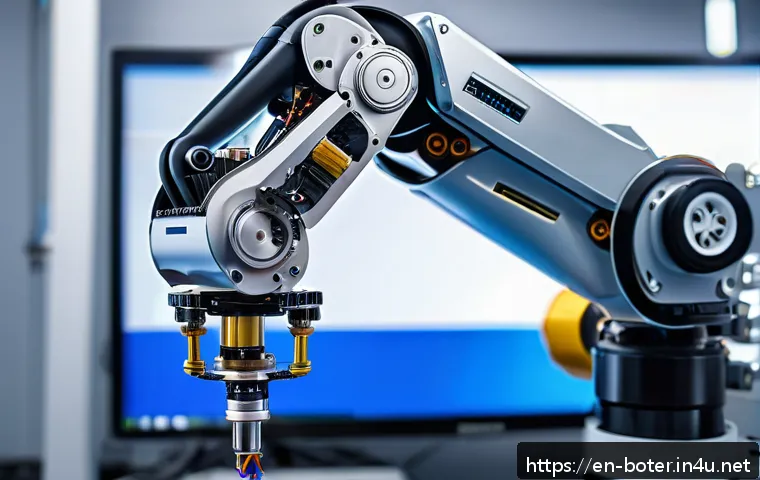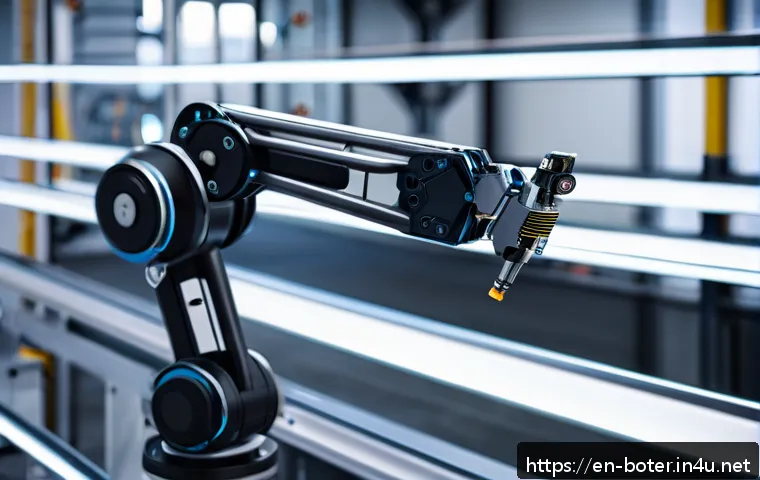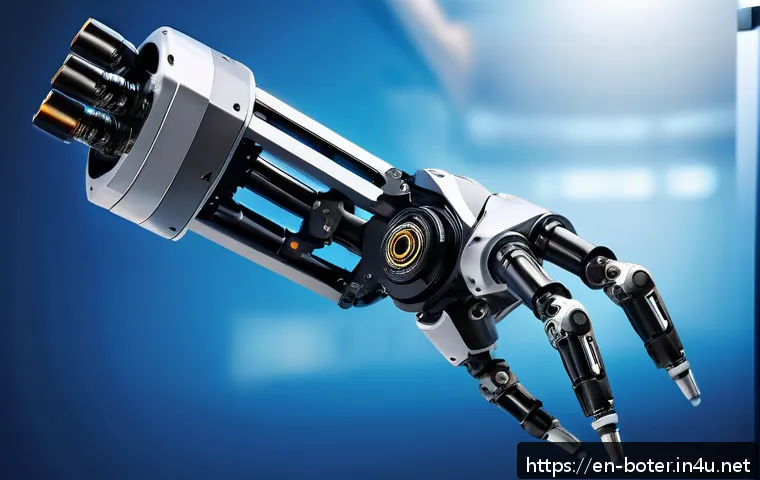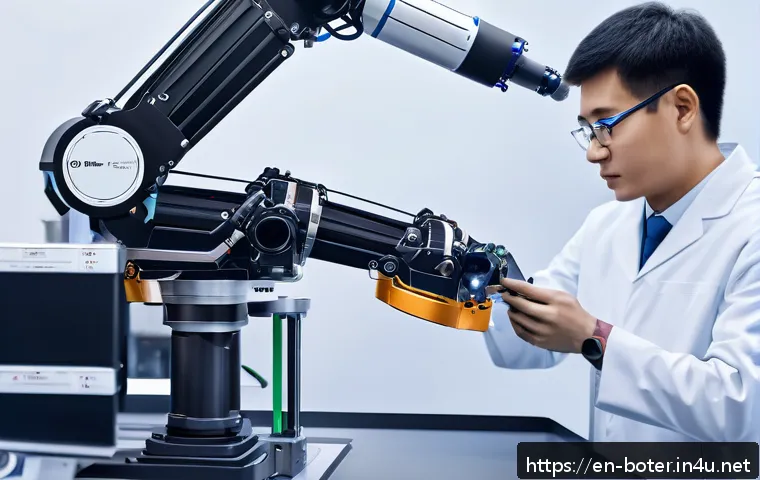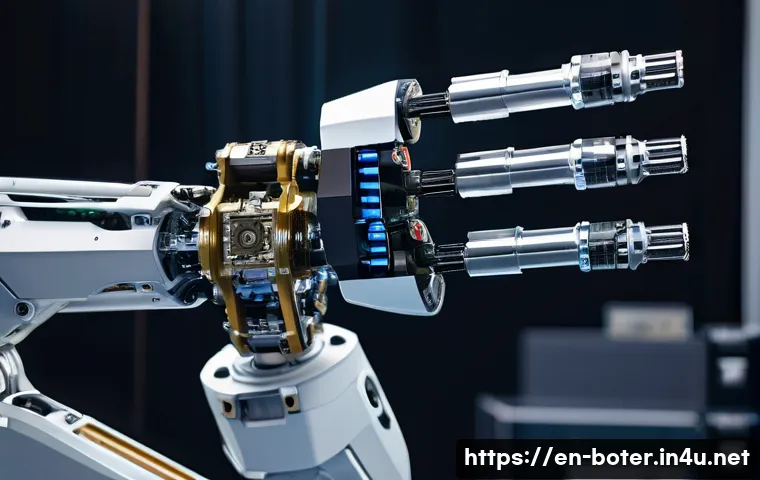
Robotics has rapidly transformed from a futuristic concept to an integral part of modern industry and daily life. At the heart of this revolution lies the expertise of robotics engineers who design and develop intelligent machines capable of performing complex tasks.

One critical aspect of this field is robotic kinematics, which focuses on the motion and mechanical design of robots to ensure precision and efficiency.
Understanding how these mechanical systems move and interact is essential for creating robots that are both functional and adaptable. Whether it’s for manufacturing, healthcare, or autonomous vehicles, mastering robotic mechanisms is key to innovation.
Let’s dive deeper into these fascinating topics and uncover the details behind cutting-edge robot design!
Fundamentals of Robot Motion and Control
Understanding Degrees of Freedom
Robots are defined largely by their degrees of freedom (DOF), which describe the number of independent movements a robot can perform. In practical terms, DOF determines how flexible and versatile a robot is in executing tasks.
For instance, a robotic arm with six degrees of freedom can move in three-dimensional space with additional rotational capabilities, mimicking the range of human arm motion.
When I first experimented with programming a six-DOF robotic arm, I realized how crucial each joint’s movement is to achieving precise positioning. It’s not just about motion but how those motions combine to perform complex operations smoothly and efficiently.
Kinematic Chains and Their Impact on Design
A kinematic chain is a series of connected joints and links that form the robot’s skeleton. This structure dictates how motion is transmitted from the base to the end effector—the part that interacts with the environment.
Serial chains, where joints are connected one after another, offer extensive flexibility but can suffer from reduced stiffness. Parallel chains, on the other hand, provide enhanced rigidity and load capacity but at the cost of reduced workspace.
When designing robots for heavy-duty manufacturing, I noticed parallel mechanisms significantly improve accuracy under load, which is vital for tasks like welding or assembly.
Forward and Inverse Kinematics: The Core Calculations
Forward kinematics involves calculating the position and orientation of the robot’s end effector based on joint parameters, while inverse kinematics solves the reverse problem: determining the necessary joint angles to reach a desired position.
Both calculations are fundamental for robot control systems. In my experience, inverse kinematics can be computationally intensive and sometimes yields multiple solutions, so optimization algorithms play a critical role in selecting the most efficient or feasible one.
This balance between precision and computational load is something every robotics engineer grapples with during development.
Innovative Joint Types and Actuation Methods
Revolute vs Prismatic Joints in Modern Robots
Revolute joints, which allow rotational movement, are the most common in robotic arms, providing smooth and continuous rotation. Prismatic joints, offering linear motion, are typically used in applications requiring straight-line movement, such as pick-and-place tasks.
In one project I worked on, combining both joint types allowed the robot to navigate complex paths with greater ease. The choice between these joint types impacts not only the robot’s capabilities but also its mechanical complexity and control strategy.
Electric, Hydraulic, and Pneumatic Actuators
Actuators power the joints, and the choice among electric, hydraulic, or pneumatic systems depends on the application. Electric actuators are praised for precision and cleanliness, making them ideal for electronics assembly or medical robots.
Hydraulic actuators deliver high force and are suited for heavy industrial machines like construction robots. Pneumatic actuators, while less precise, offer fast and simple operation, often found in packaging or food processing industries.
From hands-on experience, electric actuators tend to require more sophisticated control but reward with higher accuracy and smoother operation.
Emerging Soft Actuators and Their Potential
Soft robotics is a rapidly growing field where actuators are made from flexible materials, enabling robots to safely interact with humans and delicate objects.
These actuators use air pressure or smart materials to mimic muscle-like movements. I recently tested a soft robotic gripper prototype, and its gentle yet firm grasp impressed me, especially for applications in agriculture or eldercare.
Although still in early stages, soft actuators promise a new era of robots capable of adapting to unpredictable environments without causing damage.
Precision and Accuracy in Robotic Systems
Calibration Techniques for Enhanced Performance
Accurate robot operation depends heavily on precise calibration of sensors and actuators. Calibration involves aligning the robot’s internal model with the real-world measurements to minimize errors.
In my work, repeated calibration sessions using laser trackers and vision systems dramatically improved task repeatability. Although time-consuming, this process is indispensable in fields like semiconductor manufacturing where micrometer-level accuracy is mandatory.
Compensating for Mechanical Backlash and Flexibility
Backlash—the slack or lost motion in mechanical joints—can degrade a robot’s precision. Similarly, flexibility in links and joints can introduce unwanted deflections under load.
Techniques such as software compensation, using feedback from encoders and force sensors, help mitigate these issues. When troubleshooting a robotic arm that was drifting during high-speed operations, implementing backlash compensation algorithms made a noticeable difference in stability and quality of the output.
Real-Time Feedback and Control Systems
Modern robots rely on closed-loop control systems that use real-time sensor feedback to adjust movements dynamically. This approach ensures the robot can correct deviations instantly, improving both speed and accuracy.
I’ve observed that integrating high-resolution encoders and tactile sensors allows robots to perform delicate tasks like surgical procedures or fine assembly with remarkable reliability, something open-loop systems simply can’t match.
Designing for Adaptability and Versatility
Modular Robot Architectures
Modularity in robot design allows quick reconfiguration for different tasks or environments. By using standardized joints and interchangeable end effectors, manufacturers can repurpose a single robot platform across multiple applications.
In a factory setting I visited, modular robots reduced downtime and increased productivity since they could be adapted on the fly for new production lines without extensive retraining or hardware changes.
Compliance and Force Control Strategies
Compliance refers to a robot’s ability to yield or adapt when encountering unexpected forces, which is critical for working alongside humans or handling fragile objects.
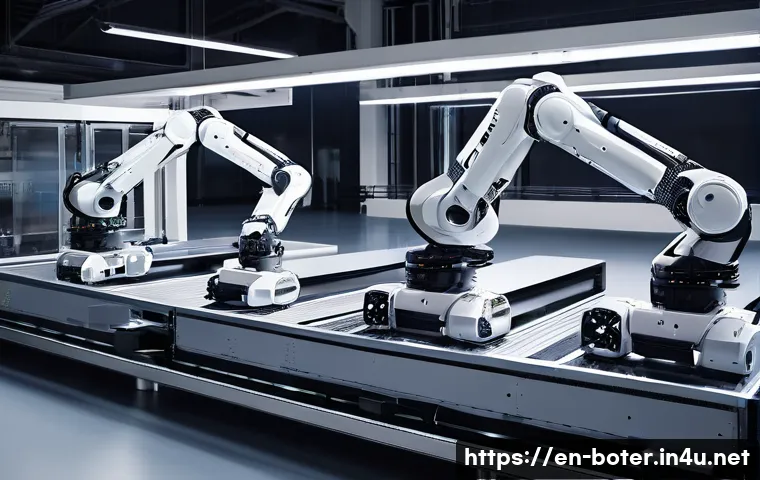
Force control strategies, such as impedance control, enable robots to adjust their stiffness and damping dynamically. From my own experience collaborating with cobots (collaborative robots), these features are game changers for safe and efficient human-robot interaction, minimizing injury risks and improving task success rates.
Integration of AI for Dynamic Task Handling
Artificial intelligence enhances robotic adaptability by enabling perception, decision-making, and learning capabilities. Robots equipped with AI can analyze their environment, predict outcomes, and modify their behavior accordingly.
In one autonomous vehicle project I contributed to, AI-driven kinematic adjustments allowed the robot to navigate complex terrains smoothly, which would have been impossible with traditional programming alone.
Comparative Overview of Robotic Mechanism Types
| Mechanism Type | Key Characteristics | Typical Applications | Advantages | Limitations |
|---|---|---|---|---|
| Serial Manipulators | Chain of joints linked end-to-end | Assembly lines, welding, painting | High flexibility, large workspace | Lower stiffness, cumulative error |
| Parallel Manipulators | Multiple chains connected to common base and end-effector | Flight simulators, precision machining | High stiffness, load capacity, accuracy | Limited workspace, complex control |
| Hybrid Robots | Combination of serial and parallel structures | Advanced manufacturing, medical robotics | Balanced flexibility and rigidity | Complex design and control requirements |
| Soft Robots | Flexible, deformable materials | Healthcare, agriculture, human-robot interaction | Safe interaction, adaptability | Lower force output, emerging technology |
Material Choices and Structural Considerations
Lightweight Alloys and Composites
Material selection is a cornerstone of robotic mechanism design. Lightweight alloys like aluminum and titanium are favored for their strength-to-weight ratios, enabling faster and more energy-efficient movements.
Composite materials, including carbon fiber, further reduce weight while maintaining rigidity. In an industrial robot project I was part of, switching to carbon fiber arms reduced inertia significantly, allowing quicker accelerations without sacrificing precision.
Fatigue and Durability in Repetitive Operations
Robots often perform repetitive tasks, so components must endure continuous stress without failure. Understanding fatigue behavior of materials helps engineers design parts that last longer and require less maintenance.
I’ve witnessed how neglecting fatigue analysis leads to unexpected downtime, especially in high-cycle environments like packaging or automotive assembly lines.
Incorporating fatigue-resistant materials and predictive maintenance schedules is essential for operational reliability.
Thermal and Environmental Effects on Robot Performance
Robots operating in extreme temperatures or harsh environments face challenges like thermal expansion, corrosion, and sensor degradation. Designing mechanisms with temperature-tolerant materials and protective coatings extends their lifespan and performance consistency.
During a site visit to a food processing plant, I noticed robots equipped with stainless steel and sealed joints maintained hygiene standards while resisting corrosion from cleaning agents, proving how environmental considerations directly influence design choices.
Simulation Tools and Prototyping Techniques
Using CAD and Kinematic Simulation Software
Computer-aided design (CAD) combined with kinematic simulation software enables engineers to visualize and analyze robot motions before physical prototyping.
Tools like SolidWorks and MATLAB’s Robotics Toolbox allow detailed modeling of joint constraints, workspace, and collision detection. In my workflow, running simulations early helped identify design flaws and optimize joint placements, saving countless hours and resources during the build phase.
Rapid Prototyping with 3D Printing
3D printing technology accelerates the development of robotic components by enabling fast, cost-effective prototypes. I’ve used 3D printing to test complex joint geometries and sensor mounts, which allowed quick iterations and refinements based on real-world testing.
This hands-on approach is invaluable because it bridges the gap between virtual designs and physical realities, revealing practical challenges that simulations might miss.
Hardware-in-the-Loop Testing for Realism
Hardware-in-the-loop (HIL) testing integrates physical components with simulation environments, providing realistic feedback and control validation. This method helps fine-tune control algorithms under near-real conditions without risking expensive hardware damage.
In one autonomous robot project, HIL testing uncovered timing issues and sensor delays that were not apparent in software-only simulations, highlighting its critical role in robust system development.
Conclusion
Understanding the fundamentals of robot motion and control is essential for designing efficient and adaptable robotic systems. From mastering degrees of freedom to selecting the right actuators and materials, each decision shapes the robot’s performance and application. Through experience and careful calibration, engineers can enhance precision and reliability, paving the way for innovative solutions in diverse industries.
Useful Information to Keep in Mind
1. Degrees of freedom determine a robot’s flexibility and ability to perform complex tasks, making it a key factor in design choices.
2. Different joint types and actuation methods suit various applications, balancing precision, force, and operational speed.
3. Calibration and compensation techniques are critical to maintaining accuracy and minimizing mechanical errors in robotic systems.
4. Modular and compliant designs improve adaptability, especially for collaborative and dynamic environments.
5. Simulation tools and rapid prototyping save development time by identifying design flaws early and enabling realistic testing.
Key Takeaways
Robotic system design requires a holistic approach, integrating mechanical structure, control algorithms, and environmental considerations. Prioritizing precision through calibration and feedback control ensures consistent performance. Choosing appropriate materials and actuators based on task requirements enhances durability and efficiency. Lastly, leveraging simulation and prototyping accelerates innovation while reducing risks during development.
Frequently Asked Questions (FAQ) 📖
Q: What is robotic kinematics, and why is it important in robot design?
A: Robotic kinematics is the study of motion without considering the forces that cause it. It focuses on how each part of a robot moves relative to others—essentially mapping out the positions, velocities, and accelerations of robot components.
This is crucial because understanding these movements allows engineers to design robots that can perform tasks with precision and repeatability. Without proper kinematic analysis, a robot might move inefficiently, inaccurately, or even fail to reach the desired positions, which could be disastrous in applications like surgery or manufacturing.
Q: How do robotics engineers apply kinematics to improve robot functionality?
A: Engineers use kinematics to create mathematical models that predict how a robot’s joints and links move in 3D space. By simulating these motions, they can optimize the robot’s range of motion, speed, and accuracy before building physical prototypes.
In my experience, this approach saves time and resources, helping avoid costly trial-and-error during development. It also enables customization; for example, adjusting the kinematics for a robot arm used in assembly lines versus one designed for delicate medical procedures.
Q: What industries benefit the most from advancements in robotic kinematics?
A: Several industries reap huge benefits from advancements in robotic kinematics. Manufacturing is a prime example—robots on assembly lines rely on precise movement to handle parts quickly and safely.
Healthcare also benefits, especially in robotic surgery, where exact positioning is vital for patient safety. Autonomous vehicles use kinematic principles to control movement and navigate environments smoothly.
From my own observations, these sectors continuously push innovation in robot motion to enhance productivity, safety, and adaptability, making robotic kinematics a cornerstone of modern technology.