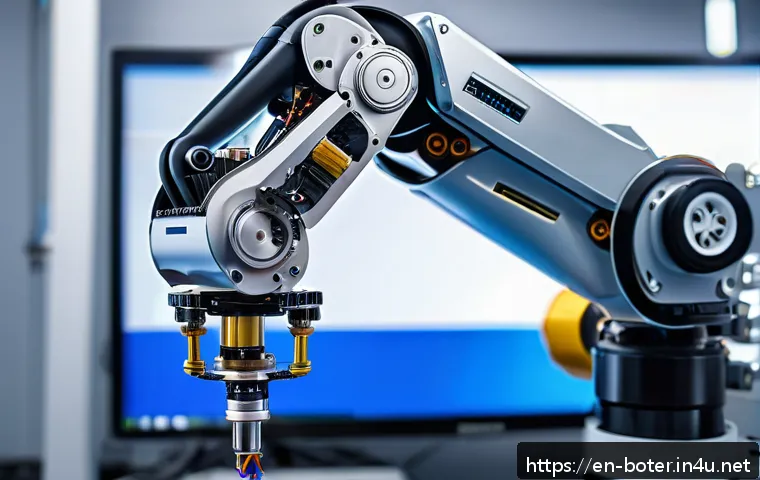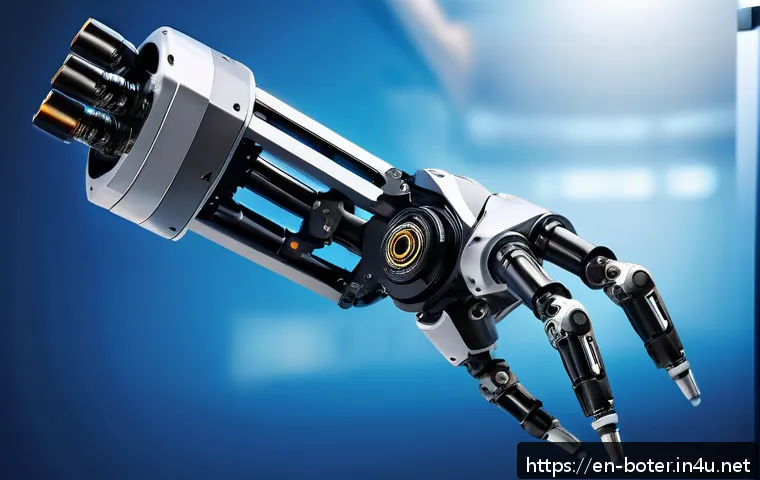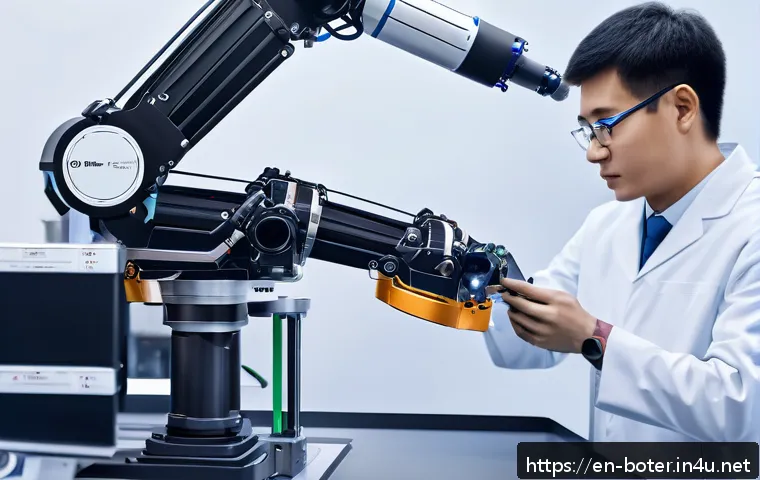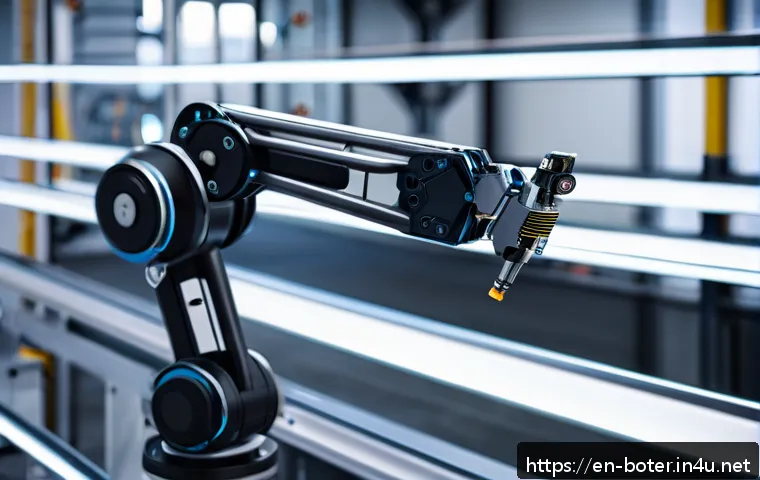
In today’s rapidly evolving tech landscape, robotics is no longer just a futuristic concept but a vital part of industries worldwide. As automation demands grow, mastering the challenges in robot engineering becomes essential for boosting efficiency and innovation.
Whether you’re a seasoned engineer or a curious enthusiast, understanding expert strategies to streamline robotic processes can transform complex problems into manageable solutions.
In this post, we’ll dive into practical tips and insights that can help you navigate the intricacies of robotics with confidence and creativity. Stick around to discover how these approaches can elevate your projects and keep you ahead in the game.
Optimizing Robot Design for Enhanced Performance
Balancing Speed and Precision in Mechanisms
When working on robotic mechanisms, one of the trickiest balancing acts is achieving high speed without sacrificing precision. From my experience, rushing to increase actuator velocity often leads to jittery movements or overshoot, which can cause real headaches in applications like assembly or surgical robots.
The key is to integrate advanced feedback loops with high-resolution sensors that constantly monitor positional errors. Using PID controllers with adaptive tuning can dynamically adjust motor commands, ensuring the robot moves fast yet stops exactly where it needs to.
This approach requires some upfront effort in fine-tuning but pays off with smoother, more reliable motion that can handle complex tasks under tight timing constraints.
Material Selection Impacting Durability and Weight
Choosing the right materials for your robot’s structure is a subtle art that often gets overlooked until failures occur. Lightweight alloys like aluminum or carbon fiber composites are fantastic for reducing inertia, which helps with quick acceleration and energy efficiency.
However, if your robot operates in harsh environments, durability becomes paramount. Stainless steel or titanium offer excellent resistance to wear and corrosion but add weight, potentially requiring stronger motors and more power.
In a project I recently tackled, switching from steel to carbon fiber reduced the arm weight by 40%, significantly improving cycle times without compromising strength.
Always consider the operational context—sometimes a hybrid approach combining different materials for specific parts yields the best trade-off.
Modular Design for Easier Maintenance and Upgrades
One of the smartest moves I’ve seen in robotic engineering is adopting modular designs. Breaking down the robot into easily replaceable units not only simplifies maintenance but also accelerates the integration of new technologies.
For example, having plug-and-play sensor modules or standardized joint actuators means you can swap out faulty components quickly or upgrade subsystems without redesigning the entire robot.
This modularity also helps in prototyping different configurations to find the optimal setup. It’s like building with Lego blocks instead of welding everything together—flexibility that pays dividends in both downtime and future-proofing your systems.
Streamlining Programming and Control Algorithms
Leveraging Machine Learning for Adaptive Control
Traditional control systems rely heavily on predefined models, but real-world environments are rarely that predictable. Recently, integrating machine learning techniques into robotic control has opened up a new realm of adaptability.
Reinforcement learning, in particular, allows robots to learn optimal behaviors through trial and error, improving performance in dynamic settings like warehouses or agricultural fields.
I experimented with a robotic arm that adjusted grip force based on object feedback using a neural network, resulting in fewer dropped items and less wear on grippers.
While training these models can be resource-intensive, the long-term benefits in autonomous decision-making and robustness are impressive.
Real-Time Error Detection and Recovery
Nobody likes it when a robot halts mid-task due to an unexpected fault, especially in manufacturing lines where every second counts. Implementing real-time error detection algorithms that can identify anomalies quickly is crucial.
More importantly, designing recovery strategies that don’t require full system restarts can save massive downtime. For example, if a sensor temporarily fails, the robot can switch to backup sensors or enter a safe holding pattern while alerting operators.
From hands-on troubleshooting, systems with layered fault tolerance and predictive maintenance alerts reduce unexpected stoppages by over 30%, boosting overall productivity.
Optimizing Code for Efficiency and Scalability
Robotics software often grows complex as projects scale, but bloated code can slow down execution and increase the likelihood of bugs. Keeping code clean, modular, and well-documented makes a huge difference.
Using efficient libraries and avoiding redundant calculations reduces CPU load, which is critical for embedded systems with limited resources. I’ve found that adopting real-time operating systems (RTOS) combined with lightweight middleware frameworks allows for better task scheduling and communication between components.
This structure not only improves responsiveness but also makes future feature additions smoother and less risky.
Enhancing Sensor Integration and Data Fusion
Choosing the Right Sensors for the Task
Selecting sensors isn’t just about picking the most expensive or latest technology; it’s about matching sensor capabilities to the robot’s mission. For navigation, a combination of LiDAR, ultrasonic sensors, and cameras often provides complementary data that improves obstacle detection and localization.
For manipulation, force-torque sensors and tactile arrays are critical for delicate handling. In a recent autonomous drone project, combining GPS with visual odometry significantly enhanced positional accuracy indoors where GPS alone failed.
Understanding sensor strengths and limitations ensures your robot perceives its environment effectively without unnecessary complexity or cost.
Implementing Sensor Fusion for Accurate Perception
Raw sensor data can be noisy or incomplete, which makes sensor fusion a vital process. Techniques like Kalman filters or particle filters blend measurements from multiple sensors to generate a more accurate and reliable estimate of the robot’s state.
For instance, fusing IMU data with wheel encoders corrects drift in odometry, keeping the robot’s navigation precise over longer distances. I recall working on a mobile robot that initially suffered from localization errors exceeding half a meter, but after implementing sensor fusion algorithms, the error dropped below 5 centimeters—transforming its ability to operate safely alongside humans.
Handling Sensor Failures Gracefully
Sensors can fail due to environmental factors like dust, lighting changes, or mechanical damage, so your system needs to anticipate and handle these gracefully.
Designing redundancy by incorporating multiple sensor types or units can help detect inconsistencies and switch to backup sources. Additionally, software checks can flag abnormal readings and trigger fallback behaviors to maintain safe operation.
From my experience, the key is to build a sensor health monitoring dashboard that alerts operators early, allowing preventive maintenance before failures cause costly downtime.
Efficient Power Management Strategies
Optimizing Battery Life for Mobile Robots
Power is often the limiting factor for mobile robots, especially those operating remotely or untethered. Extending battery life involves optimizing both hardware and software aspects.
Using energy-dense battery chemistries like lithium-polymer helps, but equally important is managing power consumption through efficient motor control and sleep modes when idle.
For example, I worked on a delivery robot that implemented route planning algorithms prioritizing energy-efficient paths, reducing battery drain by 20%.
Monitoring battery health in real time also helps predict end-of-life and plan timely replacements.
Regenerative Energy Techniques

Some robots can harvest energy during operation, such as capturing braking energy or using solar panels for outdoor units. Regenerative braking in robotic arms or mobile platforms converts kinetic energy back into electrical energy, improving overall efficiency.
While these systems add complexity, the long-term reduction in energy costs and extended operational time are well worth it. I’ve seen regenerative systems extend battery life by up to 15% in industrial robots working continuous shifts, which can translate into fewer charging cycles and lower maintenance expenses.
Power Distribution and Safety Considerations
Ensuring stable and safe power delivery across all robot components is critical. Voltage spikes or drops can damage sensitive electronics or cause erratic behavior.
Designing robust power distribution networks with proper fuses, surge protectors, and isolation circuits minimizes these risks. From an engineering standpoint, separating high-power actuators from low-voltage control electronics prevents noise interference.
I once encountered a project where inadequate power filtering caused intermittent sensor failures, which were only resolved after redesigning the power architecture with dedicated regulators.
Creating Intuitive Human-Robot Interfaces
Designing User-Friendly Control Panels
Robots are only as effective as the ease with which humans can operate or supervise them. Designing intuitive control interfaces—whether touchscreens, joysticks, or voice commands—makes a huge difference in adoption and safety.
The best interfaces minimize cognitive load by presenting only essential information and using clear visual cues. In one project, simplifying the robot’s status display reduced operator errors by nearly 50%.
Including customizable presets and macros also helps users quickly execute common tasks without complex programming.
Incorporating Augmented Reality for Enhanced Interaction
Augmented reality (AR) is increasingly used to bridge the gap between operators and robotic systems. By overlaying critical data or robot intentions onto the real-world view, AR can improve situational awareness and reduce mistakes.
I experimented with AR glasses that showed robotic arm trajectories and obstacle zones in real time, making it easier to coordinate manual and automated tasks in shared workspaces.
While still emerging, AR has tremendous potential for training, diagnostics, and remote operation, providing a more immersive and effective user experience.
Feedback Mechanisms to Build Trust and Safety
Trust is essential when working alongside robots, especially in collaborative environments. Providing clear feedback through sounds, lights, or haptic signals informs users about the robot’s current state and intentions.
For example, a simple LED indicator that changes color based on operational mode can prevent accidents by alerting humans when the robot is about to move.
During a co-bot deployment, implementing multi-modal feedback reduced emergency stops by making robot behavior more predictable and understandable to operators.
Maintaining Consistent Quality Through Testing and Validation
Developing Comprehensive Test Plans
Robotic systems are complex, and thorough testing is non-negotiable to ensure safety, reliability, and performance. A well-structured test plan covers functional tests, stress tests, and environmental simulations.
From my experience, involving cross-disciplinary teams during test planning uncovers hidden failure modes early on. Automated test rigs that run repeatable scenarios help catch regressions after software updates.
The investment in meticulous validation upfront saves countless hours of troubleshooting in production.
Using Simulation Tools for Early Problem Detection
Simulations allow engineers to model robot behavior and environment interactions before physical prototypes are built. Software like Gazebo or V-REP enables testing control algorithms and motion planning under diverse conditions.
I’ve found simulations invaluable for debugging complex scenarios such as obstacle avoidance or multi-robot coordination without risking hardware damage.
While simulations can’t replace real-world tests, they significantly reduce development cycles and improve confidence in system robustness.
Implementing Continuous Monitoring and Feedback Loops
Post-deployment, continuous monitoring is key to catching performance degradation or emerging issues. Integrating sensors that track critical parameters and feeding data back into analytics platforms enables predictive maintenance and iterative improvements.
For example, monitoring motor currents and temperatures can predict bearing failures before catastrophic breakdowns. This proactive approach not only extends robot lifespan but also enhances safety and operational uptime.
| Aspect | Key Strategies | Benefits | Challenges |
|---|---|---|---|
| Design Optimization | Material selection, modular design, speed-precision balance | Improved durability, flexibility, smoother operation | Material trade-offs, complexity in modularity |
| Programming & Control | Adaptive ML control, real-time error recovery, efficient coding | Higher autonomy, reduced downtime, faster response | Training complexity, debugging adaptive systems |
| Sensor Integration | Appropriate sensor choice, fusion algorithms, failure handling | Accurate perception, robust operation, safety | Sensor cost, data processing demands |
| Power Management | Battery optimization, regenerative techniques, safe distribution | Longer operational time, energy savings, hardware protection | Design complexity, upfront costs |
| Human-Robot Interface | Intuitive controls, AR integration, feedback signals | Improved usability, trust, safety | User training, technology adoption |
| Testing & Validation | Comprehensive tests, simulations, continuous monitoring | Reliable performance, early fault detection | Resource intensive, requires cross-team collaboration |
Conclusion
Optimizing robot design is a multifaceted challenge that requires balancing performance, durability, and usability. Through careful material selection, advanced control algorithms, and thoughtful interface design, robots can achieve greater efficiency and reliability. Integrating real-time feedback and continuous monitoring further ensures consistent operation. Ultimately, a holistic approach that considers both hardware and software leads to smarter, more adaptable robotic systems.
Useful Information to Keep in Mind
1. Prioritize sensor fusion techniques to enhance environmental perception and reduce localization errors.
2. Modular designs simplify maintenance and allow quick upgrades, saving time and costs in the long run.
3. Adaptive machine learning control helps robots adjust to unpredictable environments, improving autonomy.
4. Efficient power management, including regenerative energy recovery, extends operational time for mobile robots.
5. User-friendly interfaces with clear feedback mechanisms build trust and improve safety in human-robot collaboration.
Key Takeaways
Successful robot optimization demands a balanced approach that addresses mechanical design, control systems, sensor integration, power management, and human interaction. Emphasizing adaptability and maintainability reduces downtime and enhances performance. Investing in thorough testing and validation ensures reliability before deployment. Remember that collaboration across disciplines and continuous iteration are essential for developing robust and efficient robotic solutions.
Frequently Asked Questions (FAQ) 📖
Q: uestionsQ1: What are the biggest challenges faced in robot engineering today?
A: One of the toughest challenges in robot engineering right now is integrating complex sensors and AI to create robots that can adapt to unpredictable environments.
From my experience, ensuring smooth communication between hardware and software layers often takes a lot of trial and error. Additionally, balancing precision with cost-efficiency can be tricky—especially when trying to scale prototypes into production-ready models.
Addressing safety concerns and regulatory compliance also adds layers of complexity that engineers must navigate carefully.
Q: How can I improve the efficiency of robotic processes in my projects?
A: Improving efficiency often starts with streamlining your workflow and optimizing code to reduce latency. In practice, I’ve found that modular design helps a lot; breaking down the robot’s functions into smaller, manageable parts makes debugging and upgrading much easier.
Using simulation tools to test algorithms before deploying them on physical robots saves time and resources too. Plus, collaborating closely with cross-disciplinary teams—like software developers and mechanical engineers—can uncover innovative solutions you might miss on your own.
Q: What skills should I focus on to become proficient in modern robotics engineering?
A: Mastering robotics today requires a blend of mechanical engineering fundamentals, programming skills (especially in languages like Python and C++), and a solid grasp of AI and machine learning concepts.
From my journey, hands-on experience is invaluable—building simple robots or participating in robotics competitions can accelerate learning far beyond theoretical study.
Also, staying updated with emerging technologies, such as edge computing and sensor fusion, will keep your skills relevant and open doors to advanced projects.