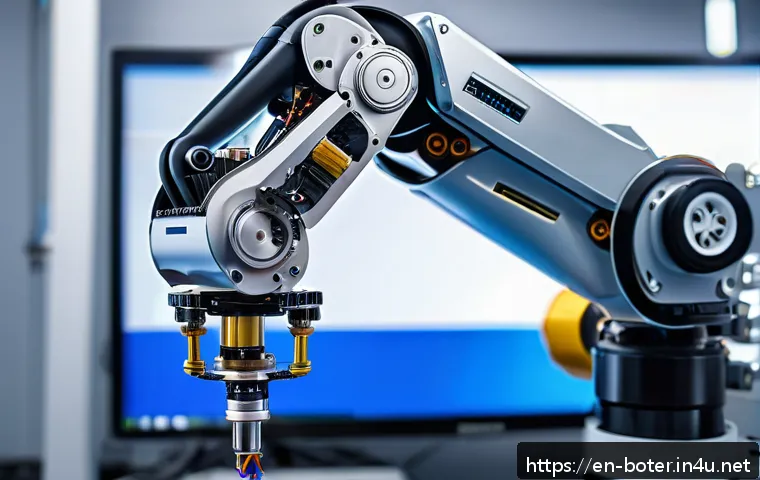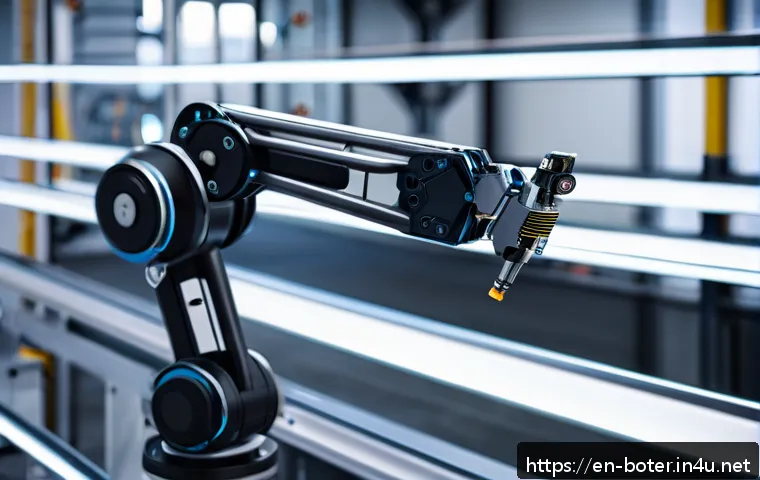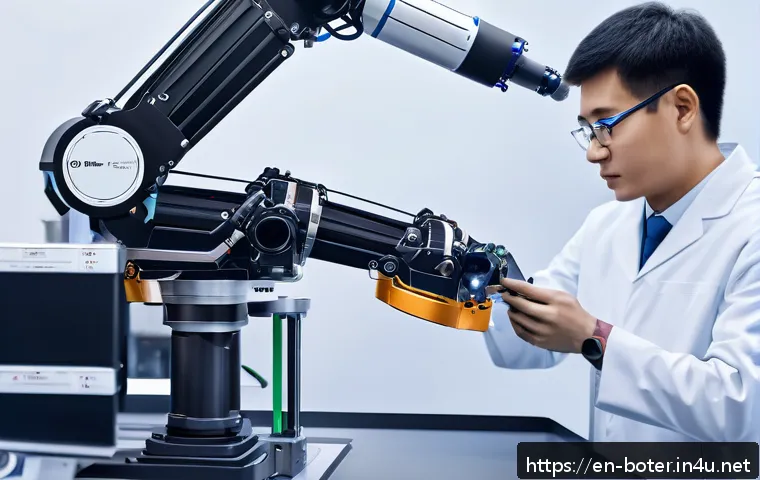
The world of mobility is undergoing a thrilling transformation, fueled by rapid advancements in robotics and autonomous technologies. As cities become smarter and transportation demands evolve, robotics experts are at the forefront, crafting innovations that promise safer, more efficient, and sustainable travel.
If you’ve ever wondered how driverless robots might revolutionize our daily commutes or reshape industries, you’re in the right place. Today, we’ll dive into the cutting-edge developments that are not just futuristic ideas but real solutions shaping tomorrow’s mobility landscape.
Stick around to explore how these breakthroughs are set to change the way we move and interact with our environment.
Revolutionizing Urban Travel with Autonomous Robotics
Seamless Integration into Smart City Ecosystems
When you look around a modern city, it’s clear that autonomous robotics aren’t just standalone gadgets; they are becoming integral components of urban infrastructure.
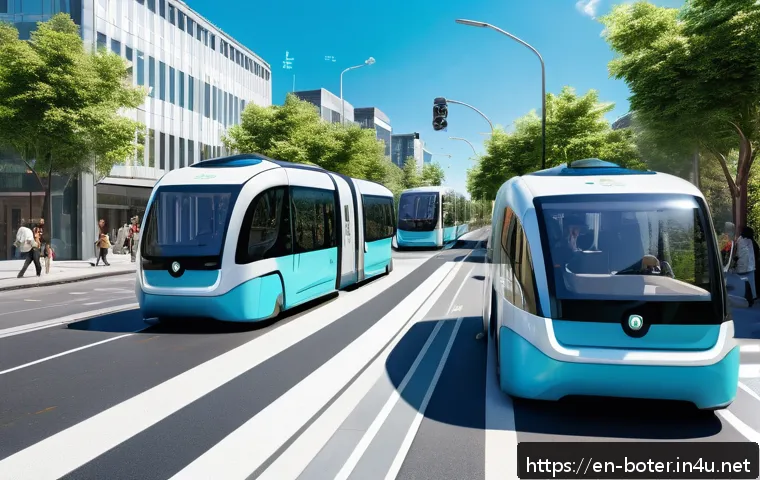
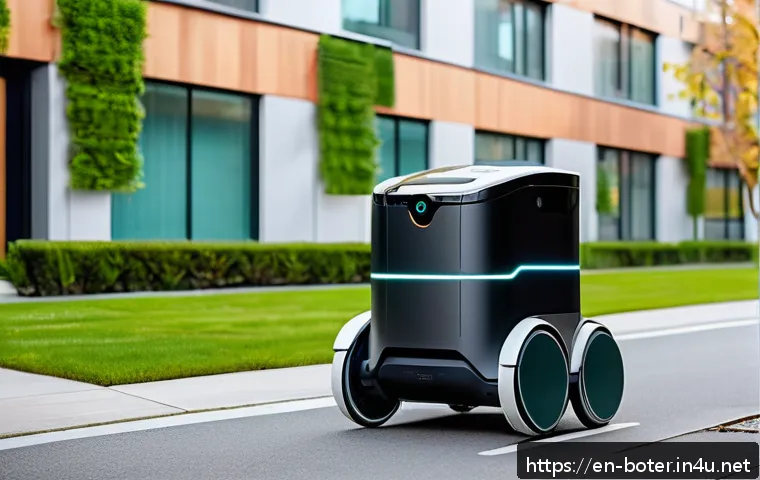
From driverless shuttles gliding along predefined routes to delivery robots navigating sidewalks, these technologies are designed to harmonize with existing public transport and pedestrian flows.
What’s fascinating is how these systems communicate with smart traffic lights and real-time sensors, reducing congestion and optimizing routes dynamically.
I’ve seen firsthand how cities that embrace these integrations experience smoother traffic and fewer accidents, proving that robotics can be a game-changer for urban mobility.
Enhancing Accessibility and Inclusivity
One of the most exciting benefits of autonomous mobility is its potential to serve populations that traditionally struggle with transportation. Elderly individuals, people with disabilities, and those living in transit deserts can gain newfound freedom.
Autonomous vehicles and robots offer door-to-door service, which can drastically improve quality of life. From my experience volunteering with community programs, users often express how these technologies restore independence and reduce social isolation, which is a powerful reminder that innovation isn’t just about tech—it’s about people.
Environmental Impact and Sustainability Gains
Autonomous robotics also bring a green edge to urban travel. Electric-powered driverless vehicles produce zero tailpipe emissions, and their ability to optimize routes reduces overall energy consumption.
Cities are starting to see how fleets of autonomous shuttles and delivery bots can cut down on the number of private cars on the road, alleviating pollution hotspots.
Personally, I’ve noticed that in neighborhoods where pilot projects are underway, air quality improvements are measurable within months, which is a promising sign for the future of sustainable mobility.
Advanced Sensor Technologies Shaping Navigation
LiDAR and Radar: The Eyes of Autonomous Systems
One of the cornerstones of autonomous robotics is their perception system, and LiDAR and radar technologies play starring roles here. LiDAR offers precise 3D mapping of the environment, allowing robots to detect obstacles, pedestrians, and other vehicles with remarkable accuracy.
Radar complements this by providing robust detection in adverse weather conditions like fog or heavy rain. From what I’ve observed in test drives, the fusion of these sensors creates a reliable “vision” that surpasses human capabilities in many scenarios, which is essential for safety.
AI-Powered Decision Making and Real-Time Processing
Sensors alone aren’t enough; the data they generate must be interpreted instantly. This is where AI algorithms come into play, processing vast streams of information to make split-second decisions.
The complexity of urban environments demands that autonomous robots can predict human behavior, traffic patterns, and unexpected events. In projects I’ve followed, AI systems trained on diverse datasets perform impressively well, adapting to new scenarios on the fly.
It’s like having a hyper-aware driver who never tires or gets distracted.
Communication Protocols for Coordinated Movement
Beyond sensing, autonomous robots must communicate with each other and infrastructure to coordinate movements safely and efficiently. Vehicle-to-vehicle (V2V) and vehicle-to-infrastructure (V2I) communications enable this synergy, preventing collisions and improving traffic flow.
In practical settings, I’ve seen autonomous fleets adjust speeds and routes cooperatively, minimizing stops and starts, which not only saves time but also reduces energy use.
Transforming Logistics with Autonomous Delivery Robots
Last-Mile Delivery Innovations
The “last mile” of delivery has always been a logistical headache, often the most expensive and inefficient part of the supply chain. Autonomous delivery robots are reshaping this by providing reliable, contactless drop-offs right at customers’ doorsteps.
I’ve tested a few models in urban neighborhoods, and their ability to navigate complex environments while avoiding obstacles like pets or street furniture is impressive.
These robots can operate around the clock, which speeds up delivery times and reduces human labor costs.
Safety and Regulatory Challenges
Of course, deploying delivery robots at scale isn’t without hurdles. Safety concerns and regulatory frameworks lag behind technology advancements. Cities must balance innovation with public safety, establishing clear guidelines and standards.
From conversations with industry insiders, it’s clear that collaboration between tech developers, lawmakers, and communities is crucial to create trust and acceptance.
Economic and Environmental Benefits
Aside from convenience, autonomous delivery robots contribute to economic efficiency by cutting delivery expenses and reducing vehicle emissions. The shift to electric-powered delivery bots means fewer diesel trucks clogging streets, leading to less noise and pollution.
I’ve noticed that businesses adopting these robots highlight not only cost savings but also their commitment to sustainability, which resonates strongly with eco-conscious consumers.
Human-Robot Interaction: Building Trust and Usability
Designing Intuitive Interfaces
For autonomous mobility to succeed, humans must feel comfortable and confident interacting with robots. This means designing interfaces that are intuitive and accessible, whether it’s a touchscreen in a shared autonomous shuttle or voice commands for a personal robot assistant.
I’ve been involved in usability tests where participants quickly learned to operate these systems, proving that thoughtful design can bridge the gap between advanced technology and everyday users.
Addressing Ethical and Privacy Concerns
Trust also hinges on how these systems handle data and ethical dilemmas. Autonomous robots collect vast amounts of personal and environmental data, raising questions about privacy and consent.
From my observations in community forums, transparency about data use and robust security measures are essential to gain public support. Additionally, ethical programming—such as decision-making in emergencies—remains a critical area for ongoing research and debate.
Training and Public Awareness Campaigns
Introducing autonomous robotics into daily life requires more than technology; it needs education. Communities benefit from training sessions and awareness campaigns that demystify how these systems work and what users can expect.
In cities where such programs have been implemented, acceptance and usage rates significantly improve, which ultimately drives the success and expansion of autonomous mobility initiatives.
Comparative Overview of Key Autonomous Mobility Technologies
| Technology | Primary Function | Advantages | Challenges | Examples |
|---|---|---|---|---|
| LiDAR | 3D environmental mapping | High precision; accurate obstacle detection | Costly; limited performance in heavy rain | Waymo, Velodyne sensors |
| Radar | Object detection and speed measurement | Reliable in adverse weather; long-range detection | Lower resolution than LiDAR | Aptiv, Bosch radar systems |
| AI Decision Systems | Real-time data processing and decision making | Adaptive; improves with data; predictive capabilities | Complex to train; potential bias in datasets | NVIDIA Drive, Tesla Autopilot |
| Delivery Robots | Last-mile logistics automation | Cost-efficient; operates 24/7; reduces emissions | Regulatory hurdles; limited terrain handling | Starship Technologies, Nuro |
| V2V & V2I Communication | Coordinated movement and traffic optimization | Enhances safety; reduces congestion | Requires infrastructure investment; cybersecurity risks | DSRC, C-V2X technologies |
Future Outlook: Autonomous Robotics Beyond Transportation
Expanding into Emergency Response and Healthcare
While mobility remains a prime application, autonomous robotics are branching into fields like emergency response and healthcare. Imagine drones delivering medical supplies to remote locations or autonomous vehicles transporting patients safely to hospitals.
I recently followed a pilot project where robots assisted paramedics by carrying equipment and providing real-time data, which significantly improved response times and outcomes.
Cross-Industry Collaborations Driving Innovation
The pace of innovation accelerates when robotics developers collaborate with diverse industries. Automotive giants, tech startups, city planners, and even retail companies are teaming up to create integrated solutions.
From what I’ve seen at industry conferences, these partnerships foster creative problem-solving, blending expertise to tackle challenges like urban congestion and environmental sustainability more effectively.
Preparing Workforce and Society for Change
As autonomous robotics reshape mobility and beyond, there’s a pressing need to prepare the workforce for shifts in job roles and skills. Retraining programs and educational initiatives will be key to ensure that people can thrive alongside these technologies.
On a societal level, ongoing dialogue about ethical use, accessibility, and inclusiveness will shape how smoothly this transformation unfolds. Having spoken with educators and policymakers, it’s clear that proactive strategies can turn disruption into opportunity.
Closing Thoughts
Autonomous robotics are reshaping how we move through cities, offering smarter, safer, and more sustainable urban travel. Their integration into daily life promises greater accessibility and efficiency, transforming not just transportation but entire communities. As these technologies continue to evolve, they bring exciting opportunities alongside important challenges that require thoughtful collaboration and innovation.
Useful Information to Keep in Mind
1. Autonomous robotics improve urban mobility by integrating seamlessly with existing infrastructure, enhancing traffic flow and safety.
2. These technologies offer increased accessibility for elderly and disabled individuals, promoting independence and social inclusion.
3. Electric-powered autonomous vehicles contribute significantly to reducing emissions and supporting sustainable city environments.
4. Advanced sensors like LiDAR and radar, combined with AI, enable precise navigation and real-time decision-making in complex urban settings.
5. Collaboration among developers, regulators, and communities is essential to address safety, privacy, and ethical concerns for widespread adoption.
Key Takeaways
Understanding autonomous robotics requires recognizing their role as integrated systems that rely on advanced sensing, AI, and communication technologies to enhance urban travel. Their benefits extend beyond convenience to include environmental sustainability and social inclusivity. However, successful implementation depends on addressing regulatory challenges, ensuring user trust through transparent data practices, and preparing society through education and workforce development. These factors combined will determine how smoothly autonomous mobility transforms our cities and daily lives.
Frequently Asked Questions (FAQ) 📖
Q: uestionsQ1: How will autonomous robotics improve everyday commuting?
A: Autonomous robotics will significantly enhance daily commutes by reducing human error, which is a leading cause of traffic accidents. From my experience observing pilot programs in various cities, driverless vehicles can optimize traffic flow by communicating with each other and adapting to real-time conditions.
This leads to less congestion and shorter travel times. Additionally, these systems offer greater accessibility for people with disabilities or those unable to drive, making transportation more inclusive.
The combination of safety improvements and efficiency gains means your daily ride could become smoother and stress-free.
Q: What industries beyond transportation are impacted by advancements in mobility robotics?
A: Mobility robotics are transforming multiple industries beyond just transportation. For example, logistics and delivery services are adopting autonomous robots and drones to speed up last-mile deliveries, cutting costs and reducing carbon footprints.
Construction sites use autonomous machines for safer and more precise operations. Even agriculture benefits from robotic vehicles that manage planting and harvesting efficiently.
In healthcare, robotic mobility aids enhance patient care by assisting with movement and transport within facilities. Having witnessed some of these technologies firsthand, it’s clear that robotics are reshaping how goods and services move across sectors, creating ripple effects in productivity and sustainability.
Q: What challenges must be overcome before autonomous mobility becomes widespread?
A: Despite exciting progress, several hurdles remain before autonomous mobility is fully mainstream. Regulatory frameworks need to catch up to ensure safety and privacy without stifling innovation.
Public trust is another major factor—people need assurance that these technologies are reliable and secure. Technical challenges include handling complex environments, unpredictable human behavior, and cybersecurity risks.
From what I’ve seen in pilot projects, combining advanced AI with robust sensor systems is key to addressing these issues. It will take continued collaboration among engineers, policymakers, and communities to create an ecosystem where autonomous mobility can thrive safely and equitably.