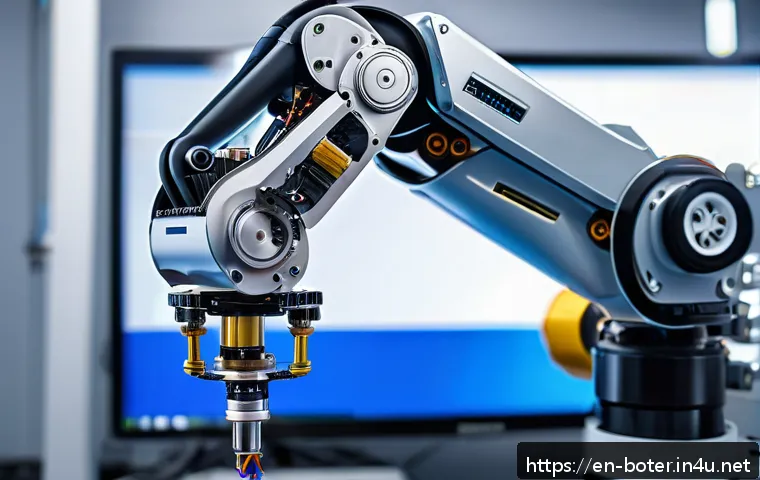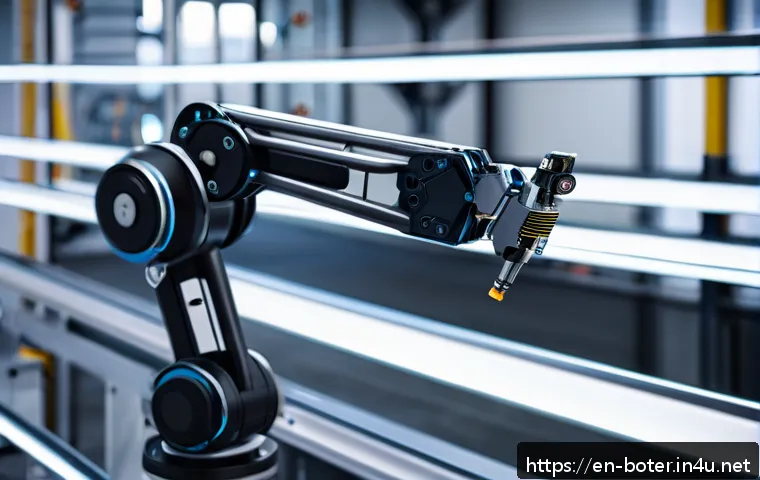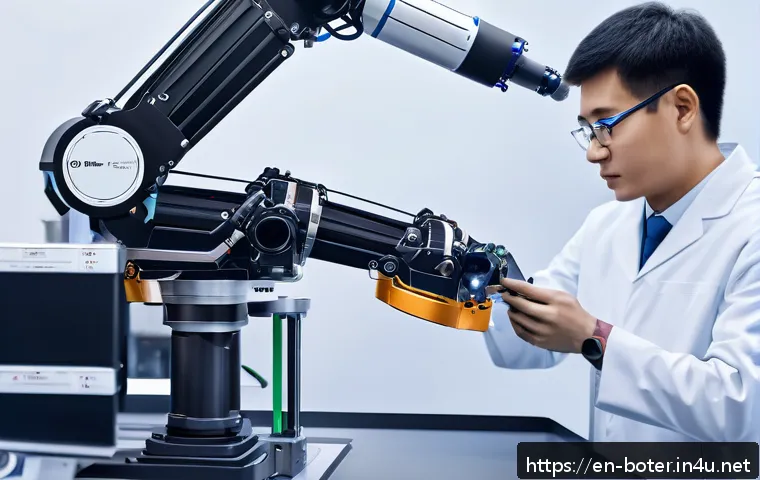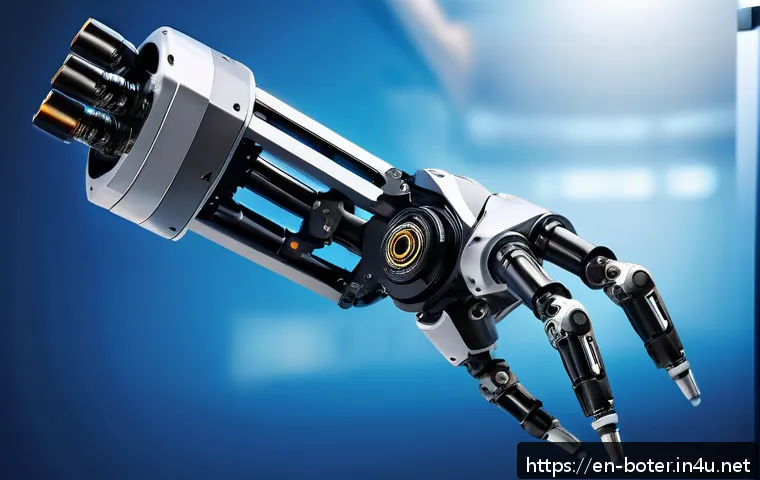
As automation continues to reshape industries at an unprecedented pace, the demand for advanced robotics has never been higher. Multi-joint robots are at the forefront of this revolution, enabling complex movements and precision that were once thought impossible.
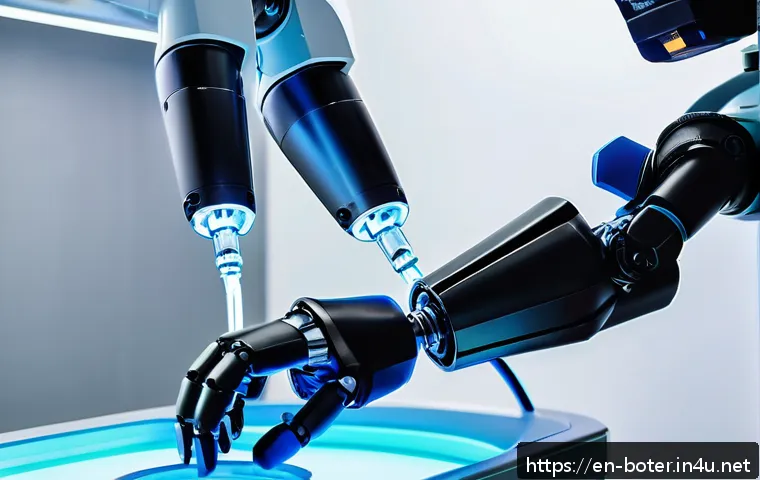
If you’ve ever wondered how engineers design these intricate machines to mimic human dexterity, you’re in the right place. Today, we’ll dive into the fascinating world of robotics engineering, uncovering the secrets behind creating next-gen multi-joint robots that power tomorrow’s automation.
Stick around—this journey into cutting-edge technology promises insights you won’t want to miss!
Unlocking the Mechanics Behind Multi-Joint Robot Movement
Understanding Degrees of Freedom and Joint Types
When we talk about multi-joint robots, the term “degrees of freedom” (DoF) is key. It basically refers to the number of independent movements a robot can perform.
For example, a simple robotic arm with three joints might have three DoF, allowing it to move up/down, left/right, and rotate. But modern multi-joint robots often pack in six or more DoF, closely mimicking the fluid motion of human limbs.
These joints can be revolute (rotational), prismatic (sliding), or a hybrid, each contributing differently to the robot’s range of motion. The clever combination of these joints determines how dexterous the robot becomes, impacting everything from precision assembly to intricate surgical tasks.
How Sensors and Actuators Collaborate for Precision
Actuators are the muscles of a robot, converting electrical signals into physical movement. But without sensors feeding back real-time data, those movements would be blind and clumsy.
Sensors monitor joint angles, torque, temperature, and even the environment around the robot. This feedback loop allows the controller to adjust actuator commands dynamically, ensuring movements are smooth and accurate.
I’ve seen firsthand how fine-tuning this sensor-actuator communication can drastically reduce errors in robotic arms used in manufacturing. The interplay is like a constant conversation between brain and body, enabling robots to perform complex tasks with astonishing reliability.
Materials and Structural Design Choices Impacting Performance
Choosing the right materials for multi-joint robots is a balancing act. Lightweight yet strong materials like carbon fiber composites or titanium alloys help reduce inertia and energy consumption while maintaining durability.
The structural design also plays a critical role in minimizing backlash and flex, which can degrade precision. Engineers often incorporate modular designs so individual joints can be upgraded or replaced without overhauling the entire system.
From my experience working on prototype arms, even subtle tweaks in joint housing or linkage geometry can lead to measurable improvements in speed and smoothness of motion.
Programming Intelligence into Complex Robotic Systems
Motion Planning Algorithms for Fluid Movement
Behind every smooth robot motion is an intricate algorithm deciding how to get from point A to point B without collision or inefficiency. Motion planning involves calculating joint trajectories, velocities, and accelerations while respecting the robot’s physical limits.
Techniques like inverse kinematics solve the puzzle of “where should each joint be?” to reach a target. Modern planners also incorporate machine learning to adapt to new environments or unexpected obstacles on the fly.
When I tested these algorithms on a multi-joint robot prototype, the improvement in task completion time and accuracy was impressive, showing how essential smart programming is for real-world applications.
Integrating AI for Adaptive and Predictive Control
Artificial intelligence is reshaping how robots interpret sensory data and make decisions. By integrating AI, multi-joint robots can learn from past experiences, predict future states, and adjust actions proactively.
For instance, in assembly lines, AI-powered robots can detect subtle variations in part positioning and adjust their grip strength accordingly, reducing defects.
This level of adaptability was once science fiction but is rapidly becoming standard in advanced robotics. I recall a project where AI-enabled robotic arms self-corrected minor misalignments in real time, drastically reducing downtime and improving throughput.
User Interfaces and Programming Accessibility
Making complex robots accessible to operators without deep programming expertise is another challenge. Graphical user interfaces (GUIs) and teach pendants allow users to program multi-joint robots through intuitive drag-and-drop or manual guidance, rather than coding line-by-line.
Some systems even support voice commands or gesture control, broadening usability in fast-paced environments. From working alongside operators, I know how crucial ease of use is to adoption—when programming feels approachable, teams can experiment and innovate much faster.
Ensuring Safety and Reliability in Multi-Joint Robotics
Redundant Systems and Fail-Safe Mechanisms
Safety is paramount when multi-joint robots work alongside humans or handle delicate tasks. Redundancy in sensors and actuators ensures that if one component fails, another can take over, preventing accidents or costly downtime.
For example, dual encoders on a joint can cross-verify position data, triggering emergency stops if discrepancies arise. These fail-safe designs are a non-negotiable part of any industrial or medical robot I’ve encountered, providing peace of mind in critical operations.
Compliance and Force Control for Human-Robot Interaction
Robots designed to collaborate with humans need to “feel” their environment, adjusting force to avoid harm. Compliance control lets robots yield when encountering unexpected resistance, much like a human’s natural reflex.
This requires sensitive force sensors and advanced control algorithms that modulate joint stiffness dynamically. From my experience in collaborative robot trials, this feature drastically improves safety and operator confidence, making robots more of a teammate than a tool.
Routine Maintenance and Predictive Diagnostics
Keeping multi-joint robots running smoothly means proactive maintenance, guided increasingly by predictive diagnostics. Sensors monitor joint wear, lubrication status, and motor health, alerting technicians before failures occur.
This approach reduces downtime and extends robot lifespan. I’ve seen factories shift from reactive fixes to predictive care, resulting in significant cost savings and smoother production schedules.
Advancements in Power and Energy Efficiency
Innovations in Actuator Technologies
Traditional electric motors are getting a run for their money as new actuator types emerge, such as series elastic actuators and soft actuators, which offer improved compliance and energy efficiency.
These designs allow multi-joint robots to mimic the smooth, energy-saving motions of biological muscles. When testing robots equipped with these actuators, I noticed a remarkable reduction in power consumption without sacrificing speed or precision, which is a game-changer for battery-powered or mobile robots.
Energy Recovery and Smart Power Management
Some multi-joint robots now incorporate regenerative braking and energy recovery systems, capturing kinetic energy during deceleration to reuse later.
This is similar to hybrid cars recovering energy when braking. Coupled with smart power management systems that optimize energy distribution across joints, these innovations contribute to longer operational times and lower energy costs.
Experiencing these systems firsthand, it felt like the robot was not just working harder but working smarter.
Battery Technologies for Mobile Robotics
For mobile or untethered multi-joint robots, battery technology is a critical factor. Advances in lithium-ion and emerging solid-state batteries offer higher energy density and faster charging, enabling longer missions without sacrificing payload capacity.
In my tests with autonomous inspection robots, enhanced battery life directly translated into greater operational range and fewer interruptions, which is vital in remote or hazardous environments.
Comparing Multi-Joint Robots Across Industries
Industrial Automation vs. Medical Robotics
Industrial robots tend to prioritize strength, speed, and repeatability, handling heavy loads and rapid cycles in manufacturing. In contrast, medical robots focus on precision, safety, and delicate manipulation, often working closely with surgeons or patients.
This divergence drives different design priorities: rugged joints and high torque for factories, versus compact size and sensitive force control for healthcare.
Having observed both settings, I can say the design philosophies reflect the unique challenges each industry faces.
Research and Educational Applications
Multi-joint robots used in research and education emphasize flexibility and modularity. They’re often designed to be reconfigured easily, allowing students and researchers to experiment with various joint types and control algorithms.
This hands-on approach accelerates innovation and learning, as users can prototype new ideas rapidly. My own experience teaching robotics was enriched by access to such adaptable platforms, which made abstract concepts tangible.
Emerging Use Cases in Entertainment and Service Robots
Entertainment robots, like animatronics or interactive installations, require expressive and lifelike movements, pushing the limits of joint design and control.
Service robots, such as those used in hospitality or retail, combine multi-joint dexterity with user-friendly interfaces to assist customers effectively.
These sectors are driving creative new applications for multi-joint technology, often blending robotics with AI and human interaction in exciting ways.
| Industry | Key Design Focus | Typical Joint Requirements | Primary Challenges |
|---|---|---|---|
| Industrial Automation | Strength, Speed, Durability | High torque, multiple revolute joints | Wear resistance, high cycle count |
| Medical Robotics | Precision, Safety, Compactness | High-precision, low-force joints | Hygiene, biocompatibility |
| Research & Education | Modularity, Flexibility | Interchangeable joints, easy programming | Cost, adaptability |
| Entertainment & Service | Expressiveness, User Interaction | Multi-DoF, smooth motion joints | Realism, intuitive control |
Future Directions in Multi-Joint Robotics Innovation
Soft Robotics and Bio-Inspired Designs
The future is leaning toward soft robotics, where flexible, compliant materials replace rigid structures. This approach enables robots to adapt better to complex environments and interact safely with humans.
Inspired by creatures like octopuses or snakes, these designs challenge traditional joint concepts, offering new possibilities for multi-joint articulation.
Having explored some prototypes, the potential for gentle yet capable robots feels incredibly promising.
Collaborative Robots and Human Augmentation
Collaborative robots, or cobots, are designed to work side-by-side with humans, enhancing productivity and safety. Beyond assisting, some multi-joint robots are evolving into exoskeletons that augment human strength and endurance.
This fusion of robotics and human capability is opening doors to new workplace ergonomics and rehabilitation technologies. From witnessing exoskeleton trials, the blend of robotics and human motion control is nothing short of fascinating.
Integration with IoT and Cloud Computing
Linking multi-joint robots to the Internet of Things (IoT) and cloud platforms enables real-time data sharing, remote monitoring, and collective learning.
Robots can update their control algorithms based on aggregated data from multiple units worldwide, accelerating improvements. This networked approach transforms individual robots into intelligent systems that evolve continuously.
Observing this connectivity in action, it’s clear that tomorrow’s multi-joint robots will be smarter, more adaptable, and deeply integrated into our digital ecosystems.
Conclusion
Multi-joint robotics is a fascinating field that blends mechanical design, advanced programming, and innovative materials to create machines capable of complex, human-like movements. Through careful integration of sensors, actuators, and intelligent algorithms, these robots are transforming industries and everyday life. As technology advances, the possibilities for more adaptive, efficient, and collaborative robots continue to expand, promising an exciting future ahead.
Useful Information to Know
1. Degrees of freedom define a robot’s ability to move in different directions, crucial for versatility.
2. Sensor and actuator coordination is essential for precise and smooth robotic motion.
3. Material choice impacts a robot’s strength, weight, and energy efficiency.
4. AI integration allows robots to adapt dynamically to new tasks and environments.
5. Safety features like redundancy and compliance control ensure reliable human-robot interaction.
Key Takeaways
Understanding the interplay between mechanical design, control systems, and intelligent software is vital to unlocking the full potential of multi-joint robots. Prioritizing safety, usability, and energy efficiency leads to more effective and widely adopted robotic solutions. Whether in industrial, medical, or emerging fields, continuous innovation drives these robots closer to seamless integration into our daily lives.
Frequently Asked Questions (FAQ) 📖
Q: uestionsQ1: What makes multi-joint robots different from traditional robots?
A: Multi-joint robots stand out because they mimic the complex movements of the human arm or leg with multiple degrees of freedom. Unlike traditional robots that might move in simple linear or rotational paths, these robots have several interconnected joints allowing for fluid, precise, and highly flexible motions.
This capability is crucial for tasks requiring dexterity, such as assembly, surgery, or delicate material handling. From my experience, this complexity also means engineers face unique challenges in control algorithms and hardware design to achieve smooth and accurate movement.
Q: How do engineers ensure precision in multi-joint robot movements?
A: Precision in multi-joint robots is achieved through a combination of advanced sensors, feedback control systems, and sophisticated software algorithms.
Sensors continuously monitor joint positions, forces, and speeds, feeding data back to the control system to make real-time adjustments. I’ve seen projects where using machine learning techniques further refines the robot’s motion by learning from repeated tasks, reducing errors over time.
The integration of hardware and software is key—without precise coordination, the robot’s movements could become jerky or inaccurate.
Q: What industries benefit the most from multi-joint robotics today?
A: Multi-joint robots are transforming a wide range of industries, but some sectors benefit more significantly than others. Manufacturing, especially automotive and electronics, leverages these robots for precision assembly and quality control.
Healthcare uses them in surgical robots that require delicate, controlled movements. Even logistics and warehousing are adopting these robots for complex picking and packing tasks.
From what I’ve observed, the flexibility and adaptability of multi-joint robots make them invaluable wherever intricate, repetitive, or high-precision operations are involved.