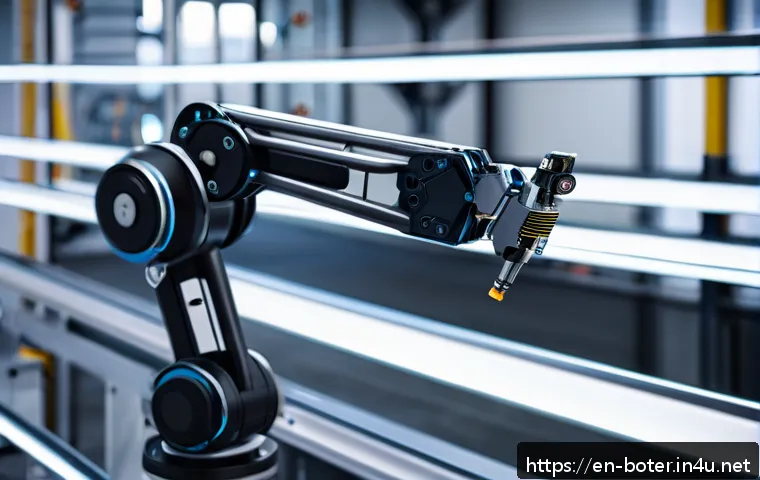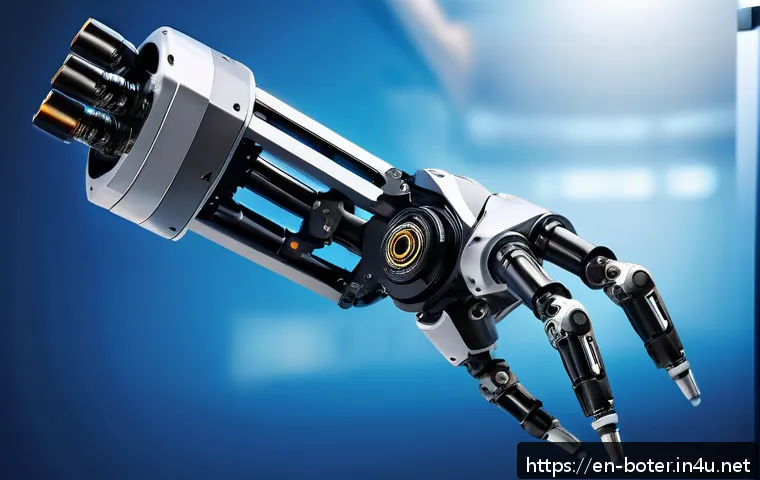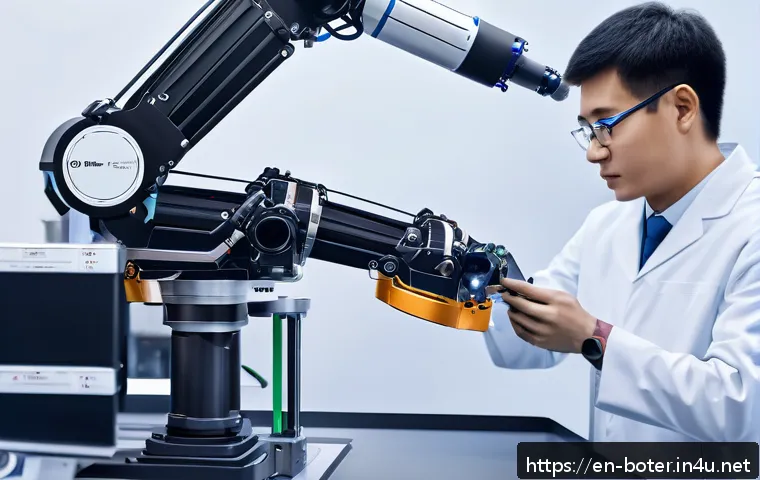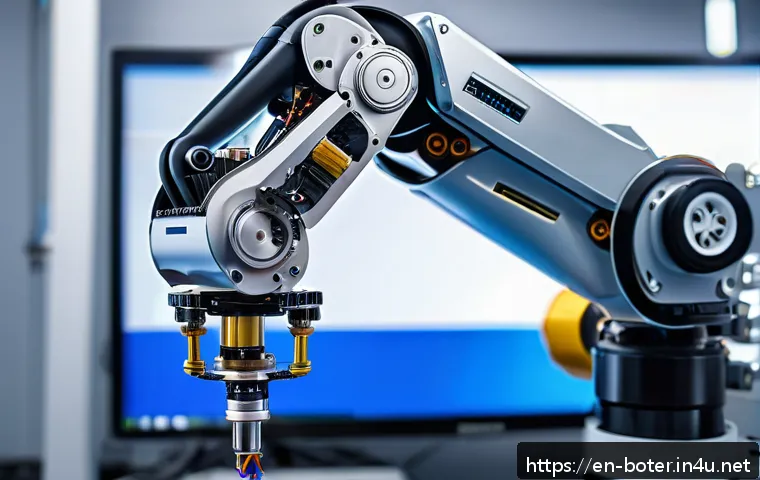
As robotics technology continues to revolutionize industries worldwide, mastering the mechanical engineering principles behind advanced robotics certification has never been more crucial.
Whether you’re an aspiring engineer or a seasoned professional, understanding these foundational concepts can dramatically boost your success rate. Recently, the demand for skilled robotics experts has surged, making certification a key stepping stone toward career growth.
In this post, we’ll dive into the core mechanics that power cutting-edge robots and explore how this knowledge can set you apart in certification exams.
If you’re ready to unlock the secrets behind robotic innovation, keep reading—there’s a lot to discover!
Unlocking the Power of Motion: How Robots Move with Precision
Fundamentals of Actuation Systems
Understanding how robots move starts with actuation systems, which convert energy into mechanical motion. From electric motors to hydraulic and pneumatic actuators, each type offers unique advantages depending on the application.
For instance, electric motors provide precise control and efficiency, making them ideal for delicate assembly robots, while hydraulics excel in delivering high force for heavy-duty tasks like construction or industrial lifting.
I’ve personally worked with servo motors in robotic arms, and the level of fine-tuned control they offer is impressive, especially when programming intricate movements that require both speed and accuracy.
The Role of Kinematics in Robot Movement
Kinematics deals with the geometry of motion without considering forces, focusing on how joints and links move relative to each other. Forward kinematics lets you predict the position of the robot’s end effector based on joint parameters, whereas inverse kinematics works backward to find the joint angles needed to reach a target point.
Mastering these concepts is crucial for robotics certification, as exam questions often test your ability to calculate and optimize robot trajectories.
When I first encountered inverse kinematics in a project, the challenge was real, but once I grasped it, the ability to program complex, smooth paths felt like unlocking a new level of robotic control.
Balancing Speed and Stability in Robot Dynamics
Dynamics introduces forces and torques into the picture, helping engineers ensure that robots can move quickly without losing balance or precision. This balance is vital in applications like humanoid robots or drones, where stability during rapid movements can be a make-or-break factor.
During a recent hands-on workshop, I noticed how tweaking control algorithms to manage inertia and momentum significantly improved the robot’s responsiveness, highlighting the importance of dynamics knowledge in real-world robotics.
Smart Materials and Their Impact on Robot Design
Exploring Shape Memory Alloys and Polymers
Smart materials like shape memory alloys (SMAs) and polymers are game changers in robotics design. These materials can change shape or stiffness in response to stimuli such as heat or electric fields, enabling robots to adapt in ways traditional materials cannot.
For example, SMAs are used in soft robotics for creating flexible grippers that mimic human fingers. I remember experimenting with SMA wires during a prototype build, and their ability to “remember” shapes added a fascinating layer of functionality that felt almost futuristic.
Integrating Sensors with Smart Materials
Combining sensors with smart materials enhances feedback loops, allowing robots to adjust in real time to environmental changes. This integration is especially important in medical robotics, where precision and adaptability can directly impact patient outcomes.
I’ve seen projects where tactile sensors embedded in smart materials provide robots with a “sense of touch,” drastically improving their interaction with delicate objects.
Challenges and Limitations in Smart Material Applications
Despite their advantages, smart materials come with challenges such as durability, response time, and cost. For certification purposes, understanding these limitations is as important as knowing their benefits.
In practice, engineers often balance innovation with practicality, choosing when and where to implement these materials to maximize performance without overshooting budgets or design constraints.
Power Systems: Fueling Robotic Excellence
Evaluating Battery Technologies for Robotics
Battery choice is a cornerstone of robot autonomy, affecting how long a robot can operate and how heavy or bulky it becomes. Lithium-ion batteries dominate the field due to their high energy density and rechargeability, but emerging technologies like solid-state batteries promise safer and longer-lasting power solutions.
From my experience, selecting the right battery involves not just capacity but also factors like discharge rates and thermal management, especially in mobile robots operating in varied environments.
Energy Harvesting and Efficiency Strategies
Some advanced robots incorporate energy harvesting methods such as regenerative braking or solar panels to extend operational time. These strategies are critical for field robots deployed in remote areas, where frequent recharging isn’t feasible.
I recall a project where integrating energy harvesting extended a drone’s flight time significantly, proving that efficiency improvements can be just as impactful as raw power upgrades.
Power Management Systems and Safety
Effective power management ensures that robots operate safely without overheating or sudden shutdowns. This involves sophisticated circuitry and software algorithms that monitor battery health and distribute power according to task priority.
In certification exams, scenarios involving power failure modes and recovery protocols often appear, so hands-on familiarity with these systems can be a big advantage.
Mastering Control Systems: The Brain Behind Robotic Precision
Closed-Loop vs. Open-Loop Control
Control systems regulate how robots respond to inputs and maintain desired performance. Open-loop control is simple but lacks feedback, making it less accurate, while closed-loop control continuously adjusts based on sensor data.
From personal experience, implementing PID controllers in closed-loop systems dramatically improved the stability and precision of robotic arms, turning theoretical knowledge into tangible improvements.
Adaptive and Predictive Control Techniques
Adaptive control algorithms enable robots to adjust parameters in real time, compensating for changes in load or environment. Predictive control uses models to anticipate future states, which is invaluable in dynamic tasks like autonomous driving or robotic surgery.
I found that incorporating these techniques into control software required a deep understanding of both the system and environment, but the performance gains were well worth the effort.
Human-Robot Interaction and Control Interfaces
Control systems also encompass how humans interact with robots, whether through joysticks, voice commands, or brain-computer interfaces. Designing intuitive interfaces is crucial for practical deployment, and I’ve seen firsthand how user-friendly controls can reduce training time and errors, especially in collaborative robots working alongside humans.
Structural Design: Crafting the Robot’s Skeleton for Success
Material Selection and Mechanical Strength
Choosing the right materials for a robot’s frame affects weight, durability, and cost. Aluminum alloys offer a balance of strength and lightness, while carbon fiber composites provide exceptional stiffness at a premium price.
In one of my projects, switching to carbon fiber reduced the robot’s weight by nearly 30%, which improved speed and battery life, highlighting how material choices directly impact performance.
Modular Design for Flexibility and Maintenance
Modular structures allow easier upgrades and repairs, a huge advantage in industrial settings where downtime is costly. Designing with modularity in mind means planning standardized interfaces and quick-release mechanisms.

I’ve worked on modular robot kits where swapping out parts took minutes instead of hours, making maintenance a breeze and keeping production lines running smoothly.
Stress Analysis and Fatigue Considerations
Robots undergo repeated stresses that can cause material fatigue over time, leading to failure. Using tools like finite element analysis (FEA) helps predict weak points and optimize designs.
I’ve relied heavily on FEA simulations to refine chassis components, preventing costly breakdowns and extending robot lifespans, which is a critical aspect often emphasized in certification exams.
Precision Engineering: The Art of Perfect Alignment and Calibration
Understanding Tolerances and Fits
Precision engineering hinges on the careful specification of tolerances—the allowable variations in dimensions that ensure parts fit and function correctly.
Tight tolerances improve accuracy but increase manufacturing costs. From my experience, striking the right balance is key, especially when building robots for high-precision tasks like semiconductor handling or microsurgery.
Calibration Techniques for Enhanced Accuracy
Calibration aligns sensors, actuators, and control systems to ensure the robot performs as intended. Techniques range from manual adjustments to automated routines using reference points or laser trackers.
I recall spending hours calibrating a robotic arm for a research project, and the improvements in repeatability were staggering, underscoring the value of meticulous calibration.
Impact of Thermal Expansion on Precision
Temperature changes cause materials to expand or contract, affecting alignment and performance. Engineers must account for thermal effects, especially in environments with fluctuating temperatures or in high-speed operations generating heat.
I’ve had to redesign mounting brackets using materials with low thermal expansion coefficients to maintain accuracy, a detail often overlooked but critical for certification success.
| Aspect | Description | Practical Example |
|---|---|---|
| Actuation Systems | Convert energy into mechanical motion using motors, hydraulics, or pneumatics. | Servo motors in robotic arms for precise assembly tasks. |
| Smart Materials | Materials that change properties in response to stimuli, enabling flexible designs. | Shape memory alloys in soft robotic grippers mimicking human fingers. |
| Power Systems | Energy sources and management strategies to ensure robot autonomy and safety. | Lithium-ion batteries with regenerative braking extending drone flight times. |
| Control Systems | Feedback and control algorithms regulating robot actions and stability. | PID controllers improving robotic arm precision. |
| Structural Design | Material and design choices influencing strength, weight, and maintenance. | Carbon fiber frames reducing robot weight and enhancing speed. |
| Precision Engineering | Ensuring accurate fits, calibration, and thermal stability for optimal function. | Laser calibration of robotic arms for repeatable precision tasks. |
Environmental Adaptation: Engineering Robots for Real-World Challenges
Designing for Extreme Conditions
Robots often need to operate in harsh environments—underwater, in space, or hazardous industrial sites. This requires ruggedizing components against corrosion, temperature extremes, and mechanical shocks.
I’ve been involved in a project where sealing electronics against moisture was critical, and the attention to environmental adaptation made all the difference between success and failure.
Mobility Solutions for Uneven Terrain
Navigating rough terrain demands specialized locomotion methods like tracked wheels, legged movement, or hybrid systems. Each method has trade-offs in speed, stability, and energy consumption.
Watching a quadruped robot maintain balance on rocky ground during testing was eye-opening, demonstrating the complex interplay of mechanical design and control needed for effective mobility.
Sensor Fusion for Environmental Awareness
Combining data from multiple sensors—lidar, cameras, GPS—creates a comprehensive understanding of surroundings, essential for autonomous operation. I’ve implemented sensor fusion algorithms that allowed a robot to map and navigate unknown environments efficiently, which is a key skill highlighted in advanced robotics certifications.
Manufacturing Precision: Turning Designs into Reality
Advanced Machining and Additive Manufacturing
Modern manufacturing techniques like CNC machining and 3D printing enable the production of complex robot parts with high precision and customization.
I’ve used 3D printing to rapidly prototype intricate components, drastically cutting development time and costs compared to traditional methods.
Quality Control and Inspection Methods
Ensuring parts meet specifications involves inspection tools like coordinate measuring machines (CMM) and optical scanners. During a recent build, rigorous quality control prevented assembly errors that could have compromised robot performance, showing how attention to detail in manufacturing translates to reliability in the field.
Assembly Techniques and Best Practices
The assembly process must account for alignment, torque specifications, and cleanliness, especially in high-precision robots. I’ve learned that following systematic procedures reduces errors and extends robot life, and this practical know-how often features prominently in certification exams.
In Conclusion
Understanding the intricate systems that enable robots to move with precision reveals the incredible blend of engineering, materials science, and control theory behind modern robotics. From actuation and power management to environmental adaptation and manufacturing, each element plays a vital role in creating efficient, reliable, and intelligent machines. My hands-on experiences have shown me that mastering these components is not just theoretical—it’s essential for developing robots that truly perform in real-world scenarios.
Useful Information to Keep in Mind
1. Actuation systems are the foundation of robot movement, with different types suited to various tasks depending on force and precision requirements.
2. Smart materials add flexibility and adaptability to robot design, but their practical limitations must be carefully managed.
3. Power systems not only provide energy but also require sophisticated management to maintain safety and extend operational time.
4. Control systems, especially closed-loop and adaptive controls, are critical for achieving accuracy and responsiveness in robot actions.
5. Structural design and precision engineering directly impact a robot’s durability, weight, and overall performance, making thoughtful material selection and calibration indispensable.
Key Takeaways
Robotics demands a holistic approach where every subsystem—from actuation and control to materials and power—must work in harmony to achieve precise and reliable movement. Practical experience combined with theoretical knowledge enhances one’s ability to innovate and troubleshoot in this complex field. Additionally, adapting robots to environmental challenges and manufacturing them with precision ensures their success beyond the lab. Keeping these principles in mind is crucial for anyone aiming to excel in robotics engineering and certification.
Frequently Asked Questions (FAQ) 📖
Q: uestionsQ1: What are the fundamental mechanical engineering principles I need to master for advanced robotics certification?
A: To excel in advanced robotics certification, you should have a strong grasp of kinematics, dynamics, control systems, and materials science. Kinematics helps you understand robot motion without forces, while dynamics covers forces and torques involved.
Control systems are essential for precise movement and task execution, and materials science informs you about durability and weight considerations. From my experience, focusing on these areas not only clarifies how robots move and interact with their environment but also prepares you to tackle complex exam questions confidently.
Q: How can understanding mechanical engineering principles improve my chances of passing robotics certification exams?
A: Knowing the mechanical engineering principles behind robotics allows you to approach exam problems with deeper insight rather than rote memorization. For instance, when you understand how actuators and joints work mechanically, you can better predict robot behavior and troubleshoot potential issues.
I found that this conceptual clarity made it easier to apply theoretical knowledge to practical scenarios during tests. It also boosts your confidence because you’re not just recalling facts—you’re thinking like an engineer, which certification boards highly value.
Q: Why is robotics certification becoming increasingly important in today’s job market?
A: Robotics certification has become a crucial differentiator as industries rapidly integrate automation and intelligent machines. Employers seek candidates who can demonstrate not only technical skills but also verified expertise in robotics mechanics.
From my conversations with professionals in the field, certified individuals tend to have better job prospects, higher salaries, and more opportunities for advancement.
This certification signals that you’re ready to handle the complexities of modern robotic systems, making you a valuable asset in sectors like manufacturing, healthcare, and logistics.