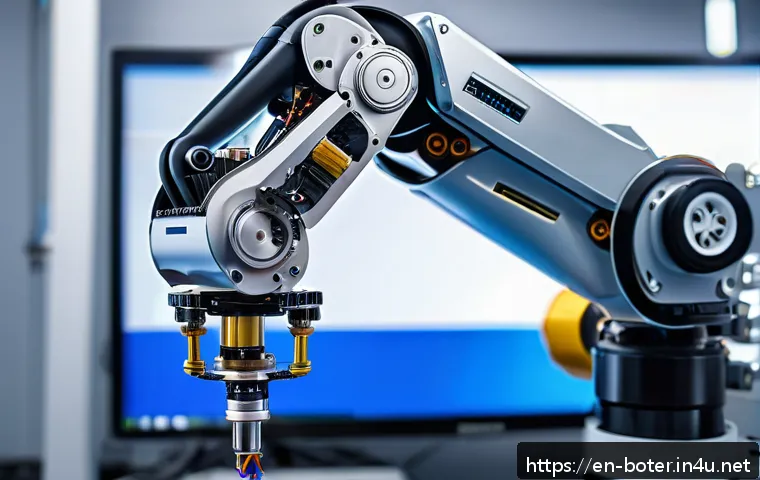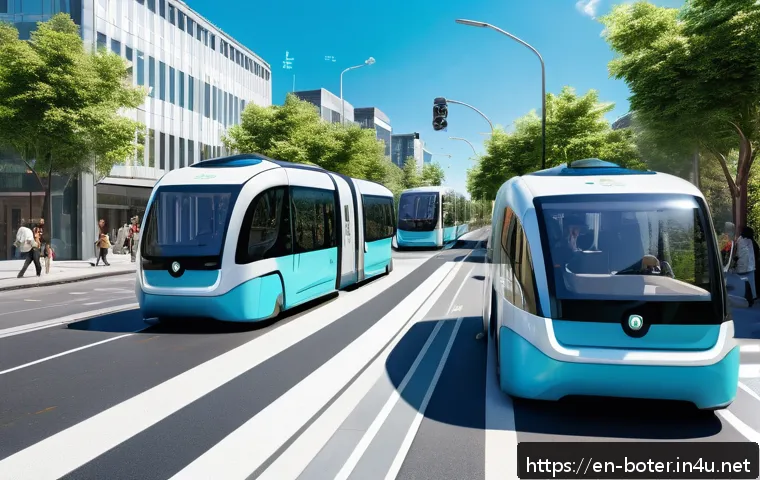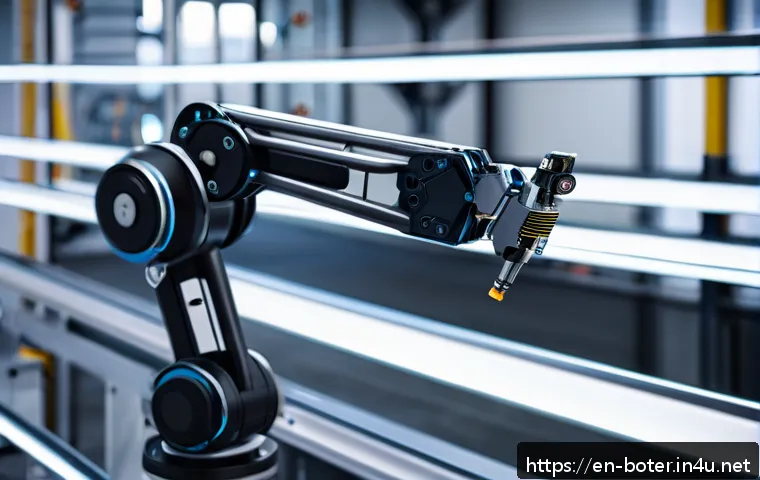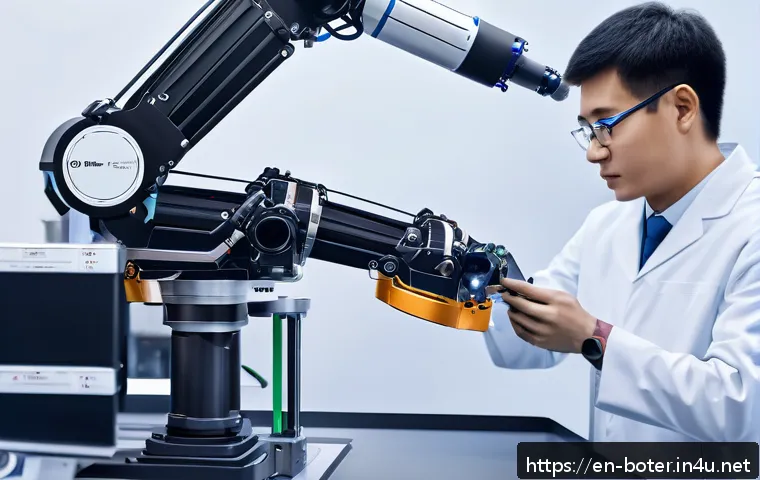
The rapid advancement of robotics technology is transforming industries by automating complex tasks with precision and efficiency. Meanwhile, power control technology plays a crucial role in managing energy flow, ensuring devices operate safely and effectively.
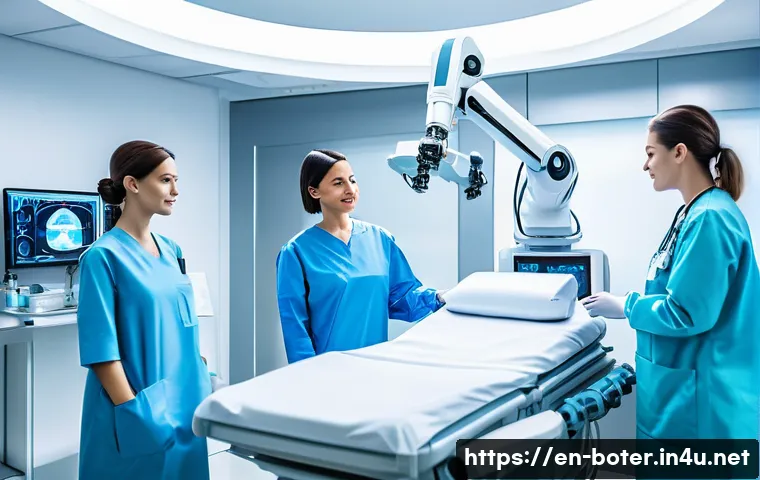
Together, these fields are driving innovation in manufacturing, healthcare, and smart infrastructure. Understanding how robotics integrates with power control systems can unlock new possibilities for smarter, more sustainable solutions.
Curious about how these technologies work hand in hand to shape our future? Let’s dive deeper and explore the fascinating details ahead!
Seamless Integration of Intelligent Machines and Energy Systems
Synchronizing Robotics with Power Networks
When you think about robots working flawlessly, it’s not just about their mechanical design but how effectively their power systems are managed. Robotics require a stable and adaptable power supply to perform tasks with precision, especially in environments demanding high responsiveness.
The synchronization between robotic systems and power networks ensures minimal energy loss and prevents unexpected shutdowns. From my experience observing automated assembly lines, any hiccup in power control immediately translates to delays and quality issues.
Modern solutions use smart sensors and real-time monitoring to adjust power delivery dynamically, guaranteeing that robots operate at peak efficiency without wasting energy.
Adaptive Power Management for Dynamic Robotic Tasks
Robots rarely perform monotonous tasks throughout their operation; instead, their energy needs fluctuate based on the complexity and duration of the task at hand.
Adaptive power management systems analyze these changing demands, supplying just the right amount of energy, which extends battery life and reduces heat generation.
I’ve seen this in warehouse robots that switch from high-energy activities like lifting heavy packages to low-energy navigation modes effortlessly. This adaptability is crucial for extending operational hours and maintaining safety standards, especially in sensitive applications like surgical robots or drones.
Ensuring Safety Through Intelligent Power Control
Power surges or drops can be catastrophic for robotic systems, potentially causing malfunctions or even accidents. Intelligent power control mechanisms incorporate fail-safes and predictive analytics to prevent such scenarios.
For example, in collaborative robots working alongside humans, power control systems instantly react to any anomalies by shutting down or modulating energy flow to avoid harm.
From a practical standpoint, these features instill confidence in deploying robots in environments where human-robot interaction is frequent, pushing the boundaries of automation safely.
Transforming Manufacturing with Smart Energy Solutions
Energy-Efficient Automation in Production Lines
Manufacturing plants are increasingly adopting energy-efficient automation to reduce operational costs and environmental impact. Smart power control technologies optimize energy consumption by scheduling robotic activities during off-peak hours and balancing loads across different machines.
I’ve noticed that plants integrating these systems report significant savings, sometimes cutting energy bills by up to 30%. These systems also enable predictive maintenance by analyzing power usage patterns, flagging equipment that may soon require attention, which prevents costly downtime.
Real-Time Monitoring and Control for Enhanced Productivity
Having real-time data on power consumption and robotic performance allows plant managers to make informed decisions quickly. With advanced control dashboards, operators can adjust power distribution instantly, reacting to bottlenecks or surges in demand.
During a recent visit to an automotive factory, I observed how this real-time control minimized energy waste during peak production times while maintaining consistent product quality.
Such transparency is a game-changer in optimizing both productivity and sustainability.
Integrating Renewable Energy with Robotic Operations
The push for greener manufacturing means robots are increasingly powered by renewable energy sources like solar and wind. However, integrating these intermittent energy supplies requires sophisticated power control systems to smooth out fluctuations.
I’ve seen facilities use energy storage solutions combined with intelligent controllers that ensure robots receive a steady power flow, even when the sun isn’t shining or wind is low.
This integration not only cuts carbon footprints but also enhances the resilience of manufacturing operations.
Enhancing Healthcare Robotics Through Power Precision
Power Stability in Critical Medical Devices
Healthcare robots, such as surgical assistants or rehabilitation devices, demand impeccable power stability to ensure patient safety and procedure success.
Even minor power interruptions can jeopardize outcomes, making robust power control indispensable. In hospitals where I have consulted, backup power systems coupled with seamless switching mechanisms guarantee continuous operation during power outages, reducing risks and improving trust in robotic healthcare solutions.
Battery Management for Mobile Medical Robots
Mobile healthcare robots rely heavily on battery life to navigate and perform tasks in dynamic environments. Effective battery management systems monitor charge levels, optimize usage, and schedule recharging to avoid operational gaps.
From personal experience, I noticed that hospitals employing such smart battery systems experience fewer delays in patient care tasks, as robots are reliably available when needed, leading to smoother workflows and better patient outcomes.
Minimizing Heat and Electromagnetic Interference
Sensitive medical environments require that robotic systems generate minimal heat and electromagnetic interference, which could disrupt other devices.
Advanced power control techniques regulate energy flow to reduce heat dissipation and shield electromagnetic emissions. This attention to detail is critical in operating rooms or diagnostic centers, where precision and equipment harmony directly impact patient safety.
Smart Infrastructure Empowered by Robotics and Power Control

Automated Energy Management in Smart Buildings
Smart buildings leverage robots for maintenance, security, and environmental control, all coordinated through intelligent power management systems. These systems balance energy distribution between lighting, HVAC, and robotic units to maximize efficiency.
I’ve seen smart office complexes where robots adjust lighting or clean autonomously while the power control system ensures energy use is optimized for cost savings and sustainability goals.
Grid-Responsive Robotics for Urban Resilience
Urban environments benefit from robots capable of responding to fluctuations in the power grid, such as during peak demand or outages. Grid-responsive power control enables robots to reduce energy consumption or switch to local energy storage, maintaining critical functions without overloading the system.
Cities adopting this approach report better energy resilience and smoother public services, enhancing overall urban living standards.
Collaborative Systems for Energy Harvesting and Usage
Innovative projects combine robotics with energy harvesting technologies—like solar panels or kinetic energy capture—to create self-sustaining units. Power control systems manage the delicate balance between harvesting, storing, and consuming energy to keep robots operational.
I found this especially fascinating in smart parks where maintenance robots recharge using harvested energy, reducing reliance on external power sources and promoting sustainability.
Future-Proofing Through Integrated Power and Robotics Technologies
Scalable Solutions for Expanding Automation Needs
As automation scales up, power control systems must evolve to handle increased loads and more complex robotic networks. Modular and scalable designs allow facilities to expand without overhauling infrastructure, saving time and money.
From consulting with industry leaders, I’ve learned that future-proofing investments in flexible power management pay off by accommodating growth and technology upgrades seamlessly.
AI-Driven Power Optimization in Robotics
Artificial intelligence is becoming central to optimizing power use in robotics by predicting energy needs and adjusting systems preemptively. These AI-driven controls reduce waste and improve performance by learning from operational data.
In my experience working with AI-powered robotics, the difference in energy efficiency and task precision is striking, enabling smarter and greener automation.
Cybersecurity Considerations for Power-Robotics Systems
With increased connectivity comes vulnerability. Protecting power control and robotic systems from cyber threats is essential to maintain safety and reliability.
Secure communication protocols and continuous monitoring prevent unauthorized access and potential disruptions. In sectors like healthcare and manufacturing, where downtime can be costly or dangerous, robust cybersecurity measures are as critical as the technology itself.
| Aspect | Robotics Considerations | Power Control Considerations | Benefits of Integration |
|---|---|---|---|
| Energy Efficiency | Adaptive energy use based on task complexity | Dynamic power delivery and load balancing | Reduced operational costs and environmental impact |
| Reliability | Stable operation requiring uninterrupted power | Fail-safes and backup power management | Minimized downtime and enhanced safety |
| Scalability | Modular robotic systems for expanding needs | Flexible power grids and modular controllers | Cost-effective growth and technology upgrades |
| Safety | Human-robot interaction with emergency shutdowns | Predictive analytics to prevent power anomalies | Increased trust and accident prevention |
| Integration with Renewables | Robots powered by variable renewable sources | Energy storage and smoothing technologies | Lower carbon footprint and energy resilience |
Conclusion
The seamless integration of intelligent machines and energy systems is transforming industries by enhancing efficiency, safety, and sustainability. Through adaptive power management and real-time monitoring, robotics operate with greater precision and reliability. As technology evolves, combining AI-driven optimization with renewable energy sources promises a smarter, greener future. This fusion is essential for meeting the growing demands of automation while safeguarding both people and the environment.
Useful Information to Keep in Mind
1. Adaptive power management in robotics helps extend battery life and reduces energy waste by matching power supply to task demands.
2. Real-time monitoring systems enable quick adjustments to power distribution, minimizing downtime and improving productivity.
3. Integrating renewable energy with robotic operations requires smart energy storage and control to ensure steady power flow despite variability.
4. Safety mechanisms like fail-safes and predictive analytics are critical in preventing accidents in human-robot collaborative environments.
5. AI-driven power optimization not only enhances energy efficiency but also supports scalable and flexible automation growth.
Key Takeaways
Effective synchronization between robotics and power systems is vital for operational stability and efficiency. Leveraging intelligent power control enhances energy savings and ensures safety in diverse applications, from manufacturing to healthcare. The integration of renewable energy sources and advanced AI technologies further strengthens resilience and sustainability. Finally, robust cybersecurity measures must accompany these developments to protect critical infrastructure from emerging threats, ensuring trust and reliability in automated environments.
Frequently Asked Questions (FAQ) 📖
Q: How do robotics and power control technologies work together in industrial automation?
A: Robotics and power control technologies are tightly intertwined in industrial automation. Robotics systems rely on precise power control to manage motors, sensors, and actuators, ensuring smooth and accurate movements.
Without efficient power management, robots might overheat, lose precision, or even fail to operate safely. From my experience working with automated assembly lines, integrating smart power control units not only enhances robot responsiveness but also significantly reduces energy consumption, leading to more sustainable and cost-effective operations.
Q: What are the main benefits of combining robotics with advanced power control in healthcare applications?
A: In healthcare, the fusion of robotics and power control brings remarkable benefits. Surgical robots, for example, need extremely reliable and stable power sources to maintain precision during delicate procedures.
Advanced power control systems help prevent sudden power drops or surges, which could jeopardize patient safety. I’ve seen firsthand how well-designed power control increases the reliability of robotic-assisted surgeries, reducing risks and improving patient outcomes.
Additionally, these systems enable longer device lifespans and smoother operation of rehabilitation robots, enhancing overall patient care.
Q: How does integrating robotics and power control contribute to smarter and more sustainable infrastructure?
A: Integrating robotics with power control plays a pivotal role in developing smarter, greener infrastructure. Automated maintenance robots can monitor and repair critical systems like power grids and water supplies, while power control ensures they operate efficiently without draining excessive energy.
From smart buildings to city-wide networks, this combination enables real-time energy management, reducing waste and carbon footprints. In a recent project I followed, deploying robotic systems with intelligent power regulation cut energy costs significantly and boosted operational reliability—showing how these technologies pave the way for a sustainable urban future.