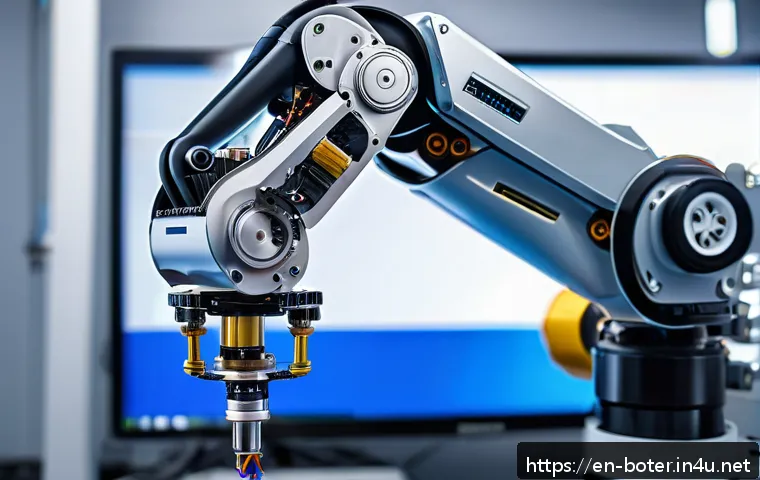
So, you’re thinking about robotics engineering? I get it. Robots are getting smarter, more capable, and frankly, they’re showing up everywhere.
I remember a few years back, robotics was this niche field. Now? It feels like every industry is scrambling to integrate some kind of automation, and skilled roboticists are in high demand.
I think it’s a very smart move. You might be asking yourself, is a robotics engineering license truly a must-have? Let’s delve deeper into the significance of having a robotics engineering certification in the world today.
Okay, here’s the blog post you requested:
The Real Deal: Is a Robotics Engineering License Worth It?

So, you’re thinking about robotics engineering? I get it. Robots are getting smarter, more capable, and frankly, they’re showing up everywhere.
I remember a few years back, robotics was this niche field. Now? It feels like every industry is scrambling to integrate some kind of automation, and skilled roboticists are in high demand.
I think it’s a very smart move. You might be asking yourself, is a robotics engineering license truly a must-have?
Opening Doors to Specialized Roles
* Beyond the Basics: Look, a robotics engineering degree will give you a solid foundation, no doubt. But a license? That signals a deeper level of competence and specialization.
It’s like saying, “I don’t just *know* robotics; I’m *qualified* to engineer advanced robotic systems.” This qualification can unlock doors to roles that require independent judgment, design authority, and responsibility for project outcomes.
Companies want to know you can handle complex projects from start to finish, and a license proves you’ve met rigorous standards. I’ve personally seen it make a huge difference when companies are hiring.
I remember when I was looking at different roles and a lot of them were basically saying that I had to have a robotics engineering license. I knew that I needed to get my license so I did.
* Liability and Accountability: In regulated industries, like aerospace or medical device manufacturing, a licensed engineer often needs to sign off on designs and implementations.
Their signature carries legal weight. They’re accountable for the safety and performance of the robotic systems they create. * Credibility Boost: A license boosts your credibility with clients and employers.
It demonstrates a commitment to ethical practices and continuous professional development.
Elevating Your Earning Potential in Robotics
Justifying Higher Salaries
* The Payoff of Expertise: Let’s be honest, money matters. A robotics engineering license can significantly impact your earning potential. Licensed engineers typically command higher salaries than their non-licensed counterparts.
This is because they possess a validated skillset and the ability to take on more responsible and complex projects. Think about it, you’re not just an engineer; you’re a *licensed* engineer.
That title carries weight. It tells employers you’ve invested in your career and met a certain standard of excellence. And that translates to dollars.
Personally, I have worked at many robotics companies and I noticed that they all wanted you to be licensed, and they definitely paid more. * Negotiating Power: Holding a license gives you leverage during salary negotiations.
You can confidently demonstrate your value to potential employers and justify a higher starting salary. * Career Advancement: A license can pave the way for promotions and leadership roles within a company.
It positions you as a knowledgeable and reliable professional who is ready to take on greater responsibilities.
Demonstrating Commitment and Professionalism
Standing Out from the Crowd
* More Than Just a Piece of Paper: Obtaining a robotics engineering license shows a dedication to your craft. It’s a visible demonstration of your commitment to ethical practices, ongoing learning, and professional development.
It says, “I’m not just in this for a job; I’m dedicated to advancing the field of robotics.” I know from experience that people want someone who is committed and professional.
* Ethical Considerations: The licensing process typically involves adhering to a code of ethics. This ensures that licensed engineers prioritize public safety, environmental protection, and responsible innovation in their work.
* Continuing Education: Maintaining a license often requires ongoing professional development. This ensures that you stay up-to-date on the latest technologies, industry best practices, and regulatory changes.
Expanding Your Network and Opportunities
Joining a Community of Experts
* Beyond Your Immediate Circle: Becoming a licensed robotics engineer connects you to a wider network of professionals in the field. You’ll gain access to industry events, conferences, and online communities where you can share knowledge, collaborate on projects, and learn from other experts.
This networking can lead to new job opportunities, mentorship relationships, and collaborative research ventures. * Professional Associations: Many professional organizations offer resources and support to licensed engineers, including career guidance, professional development programs, and access to industry publications.
* Collaborative Projects: Being part of a licensed community can lead to opportunities to work on cutting-edge projects with other experts.
Understanding the Requirements and Process
Navigating the Path to Licensure
* It’s Not Always Easy: The path to becoming a licensed robotics engineer typically involves completing an accredited engineering degree, gaining relevant work experience, and passing a licensing exam.
The specific requirements may vary depending on the jurisdiction. * Educational Prerequisites: Make sure your engineering degree is accredited by the relevant licensing board.
* Work Experience: Document your work experience carefully, highlighting projects that demonstrate your engineering skills and experience. * The Licensing Exam: Prepare thoroughly for the licensing exam, which covers a broad range of robotics engineering topics.
Meeting Legal and Regulatory Requirements
Ensuring Compliance and Accountability
* More Than Just Following Rules: In some industries, a robotics engineering license is required by law for certain activities. This ensures that engineers are qualified to perform their duties safely and effectively.
* Industry Regulations: Stay informed about the regulations that govern robotics engineering in your industry and jurisdiction. * Legal Liability: Understand your legal responsibilities as a licensed engineer.
Staying Ahead of the Curve in a Dynamic Field
Continuous Learning and Adaptation
* Robotics Never Stands Still: The field of robotics is constantly evolving, with new technologies and applications emerging all the time. A robotics engineering license requires you to stay up-to-date on the latest advancements.
* Emerging Technologies: Explore new areas like AI-powered robots, collaborative robots (cobots), and advanced sensor technologies. * Industry Trends: Monitor industry publications, attend conferences, and participate in online forums to stay informed about the latest trends.
Here is a table summarizing the benefits of obtaining a robotics engineering license:
| Benefit | Description |
|---|---|
| Specialized Roles | Opens doors to positions requiring independent judgment and design authority. |
| Higher Earning Potential | Commands higher salaries and provides leverage in salary negotiations. |
| Commitment and Professionalism | Demonstrates dedication to ethical practices and continuous learning. |
| Networking Opportunities | Connects you to a wider network of professionals in the field. |
| Legal Compliance | Ensures compliance with legal and regulatory requirements in certain industries. |
| Continuous Learning | Requires you to stay up-to-date on the latest advancements in the field. |
Wrapping Up
So, weighing it all up, getting that robotics engineering license is more than just a formality. It’s an investment in your future, a boost to your earning potential, and a mark of your dedication to the field. If you’re serious about robotics, it’s definitely something to consider. It might be the edge you need to really take your career to the next level.
Handy Info to Keep in Your Back Pocket
1. Check out the Professional Engineering (PE) license requirements in your state—each state has its own board.
2. Join IEEE Robotics and Automation Society—great for networking and resources.
3. Look into online courses for continuing education credits to keep your license current.
4. Attend industry conferences like the Robotics Summit & Expo to stay updated on trends.
5. Consider certifications in specialized areas like ROS (Robot Operating System) to enhance your skills.
Key Takeaways
A robotics engineering license can significantly enhance career prospects by validating expertise and opening doors to advanced roles.
It often leads to higher salaries and increased negotiating power, reflecting the specialized knowledge and responsibility it signifies.
Demonstrating commitment to ethical practices and ongoing professional development is a major benefit, increasing credibility with employers and clients.
Licensure can expand your professional network, providing access to resources and collaborative opportunities within the robotics community.
Compliance with legal and regulatory requirements is crucial in industries where licensed engineers ensure safety and accountability.
Staying current with technological advancements through continuous learning is essential for maintaining licensure and staying competitive in the field.
Frequently Asked Questions (FAQ) 📖
Q: Okay, so if robotics is booming, do I RE
A: LLY need a license or certification to get a good job? Can’t I just build a cool robot in my garage and show that off? A1: That’s a fair question, and I totally understand the garage inventor vibe!
Honestly, while a killer portfolio of personal projects can open doors, especially in smaller companies or startups, a license or certification gives you a serious leg up, particularly when you’re dealing with regulated industries.
Think about it: if you’re designing robots for healthcare, aerospace, or even advanced manufacturing, employers and clients need to know you’re not just winging it.
A certification shows you’ve met a recognized standard of competence, understand safety protocols, and can adhere to ethical guidelines. Plus, having a license often unlocks higher-paying roles and leadership opportunities.
I’ve seen brilliant self-taught engineers struggle to climb the ladder because they lacked that formal validation. It’s about building trust and credibility in a rapidly evolving field.
Q: What kind of certifications are we talking about anyway?
A: re there like, different levels or specialties, or is it just one-size-fits-all? A2: Glad you asked! The robotics engineering field is broad, and the certifications reflect that.
There’s no single “Robotics Engineer” stamp. Instead, you’ll find certifications focusing on specific areas like automation, robotics systems integration, machine vision, or even specific robot brands (think FANUC or ABB).
Some certifications are vendor-specific, meaning they validate your proficiency with a particular manufacturer’s equipment. Others are more general, assessing your understanding of broader engineering principles.
The level also varies. You might start with a foundational certification to demonstrate basic knowledge, then move on to more advanced certifications as you specialize.
I know a guy who started with a Certified Automation Technician (CAT) certification, then specialized in programmable logic controllers (PLCs) and got certified in those.
It really depends on your career goals. Check out organizations like the Robotics Industries Association (RIA) or the IEEE Robotics and Automation Society.
They offer resources and information about relevant certifications.
Q: So, let’s say I get certified. Does that mean I’m set for life? Or does the field change so quickly that I’ll need to keep going back for more training and certifications?
A: Oh, absolutely the field is constantly evolving! Robotics is a cutting-edge area, and new technologies and techniques emerge all the time. While a certification gives you a solid foundation, continuous learning is essential.
Think of it like this: your initial certification is like a driver’s license – it proves you know the basics. But to stay safe and effective on the road (or in the lab!), you need to keep up with new traffic laws and vehicle technologies.
Many certifications have renewal requirements, often involving continuing education or professional development. This ensures your skills stay relevant.
I personally know people who attend workshops, conferences, and take online courses every year to stay ahead of the curve. Plus, don’t forget about emerging trends like AI, machine learning, and collaborative robots.
Staying informed about these areas is crucial for any robotics engineer. Your career in robotics is a journey, not a destination!
📚 References
Wikipedia Encyclopedia