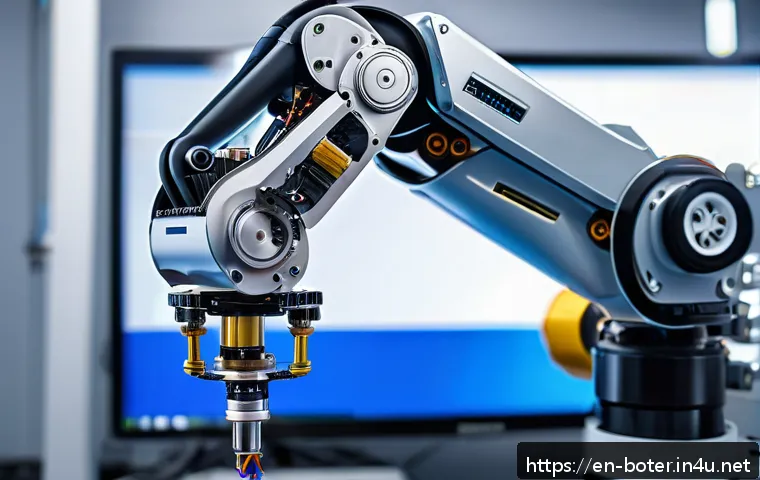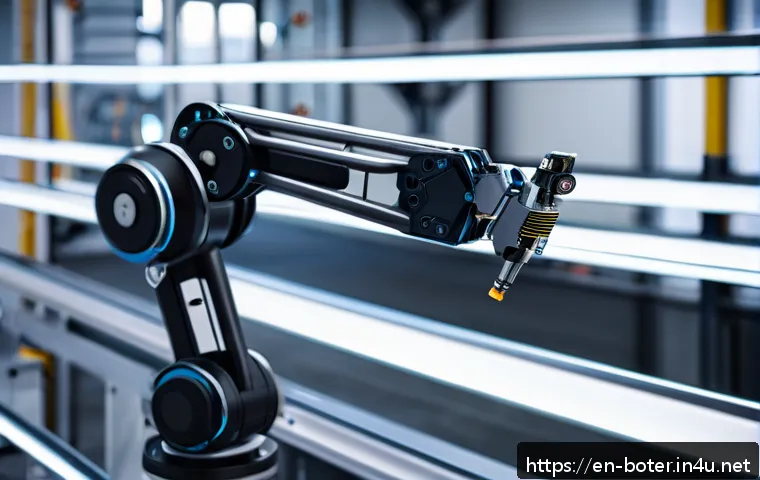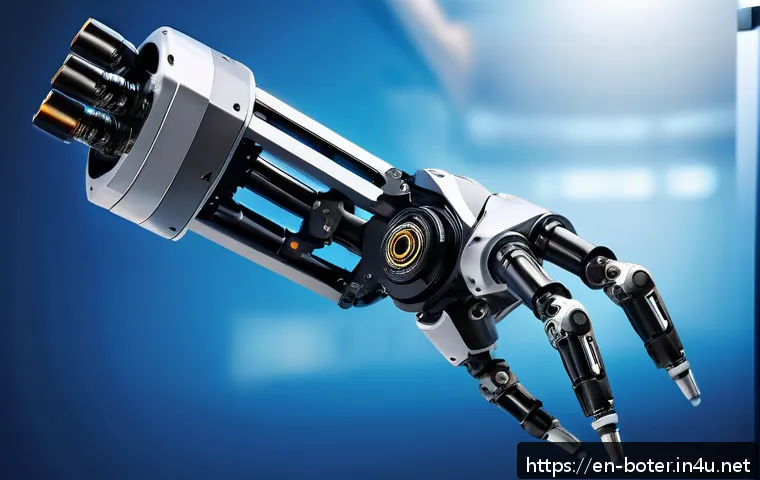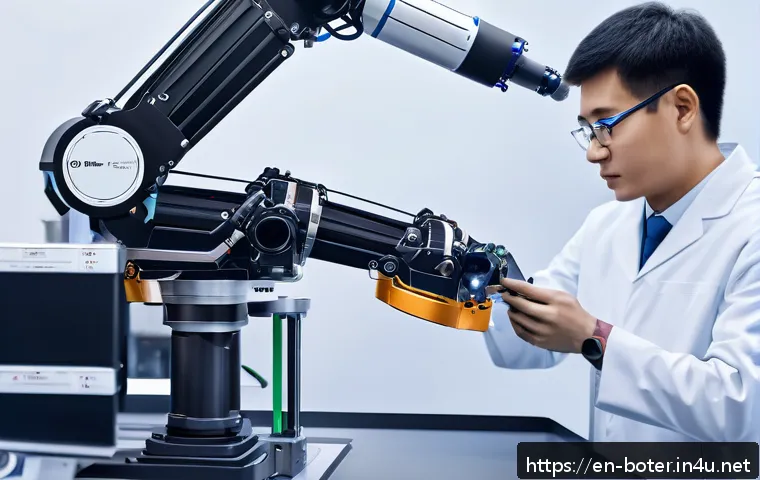
Ever wonder if a career in robotics is really within reach? Maybe you’ve seen those incredible Boston Dynamics videos and thought, “Could I actually be part of building that future?” Let me tell you, it’s not just a dream anymore.
With the rapid advancements in AI and automation, the world of robotics is exploding, creating a massive demand for skilled professionals. I’ve personally watched this field transform from niche to mainstream, and what’s truly exciting is how accessible it’s becoming for passionate individuals.
A robotics engineer certification isn’t just a fancy piece of paper; it’s a key that unlocks a vast array of opportunities, from designing the next generation of industrial robots to developing cutting-edge AI for autonomous systems that are already changing our daily lives.
The job market is hungry for expertise, and the right certification can truly set you apart, proving you have the practical skills employers are desperately seeking in this dynamic landscape.
This isn’t just about factory floors anymore; we’re talking about healthcare, logistics, space exploration, and even entertainment. If you’ve been pondering a path into this exhilarating industry, you’re at the perfect starting point.
Let’s delve into exactly what doors a robotics engineer certification can open for you.
Opening Doors to Innovation: The Diverse World of Robotics Careers

Beyond the Assembly Line: Robotics in Every Industry
It’s easy to picture a robotics engineer working on a factory floor, surrounded by massive robotic arms welding car parts. And while that’s certainly a vital part of the industry, let me tell you, it’s just scratching the surface of what’s possible with a robotics engineer certification.
I’ve seen firsthand how this field has absolutely exploded, touching nearly every aspect of our modern lives. Think about it – from surgical robots assisting doctors with incredible precision to autonomous agricultural machines optimizing crop yields, and even advanced logistics robots zipping around warehouses to get your online orders to your doorstep faster than ever before.
These aren’t just cool gadgets; they’re integral solutions that are making industries more efficient, safer, and frankly, more exciting. The demand for skilled professionals isn’t just a trend; it’s a profound shift in how the world operates, with companies desperately seeking individuals who can develop, operate, and maintain these sophisticated systems.
I remember attending a tech conference a few years ago where a startup showcased a robot designed to assist in elder care – it was so incredibly human-like in its interactions, and it really opened my eyes to the boundless potential beyond traditional industrial applications.
It’s a field where your problem-solving skills and creativity can genuinely make a tangible difference in people’s lives, far beyond what many might initially imagine.
Crafting Tomorrow’s Solutions: Design, Development, and Integration
A robotics engineer isn’t just a tinkerer; they’re an architect of the future. The core of this role often involves diving deep into the design and development of robots and their underlying systems.
This means getting hands-on with everything from sketching out mechanical designs using advanced 3D CAD software to writing complex algorithms that dictate how a robot moves, thinks, and interacts with its environment.
It’s a multidisciplinary dance, pulling together elements of mechanical engineering, electrical engineering, and computer science. When I was first learning about robotics, the sheer scope of knowledge required felt daunting, but with the right certification, it really distills those complex principles into actionable skills.
We’re talking about programming the brains of these machines, integrating sensors for environmental awareness, and even building prototypes from the ground up to rigorously test our designs.
Imagine the thrill of seeing a concept you’ve poured hours into finally come to life, moving and performing tasks exactly as you envisioned! That’s the daily reality for many in this field, and it’s incredibly rewarding.
Beyond just building, many roles focus on system integration – making sure all the different hardware and software components play nicely together in a seamless symphony of automation.
It’s like being the conductor of an orchestra, ensuring every instrument is in tune and contributing to the overall masterpiece.
Supercharging Your Resume: The Unbeatable Edge of Certification
Validating Expertise: Stand Out in a Competitive Landscape
In today’s bustling job market, simply having a degree sometimes isn’t enough to make your resume truly pop. I’ve heard countless stories, and experienced it myself, where a specialized certification acts as that golden ticket.
It’s not just a piece of paper; it’s a powerful statement to potential employers that you possess verified, practical skills and a deep understanding of industry standards.
When I decided to pursue a specific robotics certification, I initially thought it would just be a good resume booster. But honestly, the process itself was incredibly enlightening, solidifying my knowledge in areas like control systems, programming, and maintenance in a way that truly transcended theoretical classroom learning.
Employers are actively looking for certified professionals because they know these individuals have met rigorous benchmarks, demonstrating competence and a commitment to staying current in a rapidly evolving field.
It instills confidence, showing that you’re not just familiar with concepts but can actually apply them in real-world scenarios. It’s the difference between saying you can drive and having a valid driver’s license.
Beyond Basics: Advanced Skills and Continuous Learning
Robotics engineering is anything but stagnant. The moment you think you’ve mastered something, a new technology or methodology emerges! This is why certifications are so incredibly valuable – they often focus on cutting-edge topics like AI integration, machine learning, and advanced control systems that are shaping the next generation of robots.
Pursuing these credentials pushes you to continually learn and adapt, which is crucial for long-term career success. I always tell aspiring engineers that certifications are fantastic for both validating your current skill set and for pushing yourself to acquire new, highly sought-after expertise.
For instance, delving into certifications around Robot Operating System (ROS) or specific manufacturer systems like FANUC and ABB can be incredibly beneficial, as these are widely used in industrial settings.
It’s not just about earning a badge; it’s about embracing a mindset of continuous improvement and ensuring your skills remain sharp and relevant in a world that’s constantly innovating.
This ongoing learning path not only makes you more employable but also equips you to tackle increasingly complex and exciting challenges.
Navigating Your Career Path: Roles, Growth, and Opportunities
In-Demand Specialties: Where the Jobs Are
The robotics job market is booming, and it’s showing no signs of slowing down. As automation permeates more industries, the demand for specialists is surging across various fascinating roles.
I’ve noticed a significant uptick in positions for Robotics Engineers, of course, but also for Software Developers proficient in robotics, Control System Engineers who manage the intricate electronic systems, and Data Scientists/AI Specialists who teach robots to learn and adapt.
You’ll find these roles in manufacturing, automotive, logistics, and even the burgeoning healthcare and defense sectors. Think about the incredible work happening in developing self-driving technology, where robotics engineers are at the forefront, or in aerospace, pushing the boundaries of what unmanned systems can achieve.
It’s not just about designing; it’s about integrating, maintaining, and innovating. For example, a friend of mine, a Robotics Integrator, spends his days orchestrating complex robotic systems into existing factory workflows, which is a highly specialized and valuable skill.
The beauty of this field is that there’s a niche for almost every technical interest.
Climbing the Ladder: Advancement and Leadership Potential
What really excites me about a career in robotics is the clear path for advancement. It’s not a dead-end street; it’s a highway of opportunity. Starting as an entry-level robotics engineer, you can quickly gain experience and transition into more specialized or leadership roles.
Imagine moving from designing individual robotic components to overseeing entire project lifecycles, leading teams of engineers, or spearheading research and development into groundbreaking AI-powered systems.
As you accumulate experience and perhaps pursue advanced certifications or even a master’s degree, your earning potential and influence within the industry can grow significantly.
Many experienced professionals move into roles like Robotics System Architect, where they design highly complex robotic systems, or even into management, guiding innovation and strategic direction for major tech companies.
It’s a career where your expertise is truly valued, and your contributions can lead to significant impact, not just within your company but across entire industries.
The Financial Rewards: Understanding Salary and Earning Potential
Competitive Compensation: What You Can Expect to Earn
Let’s talk numbers, because let’s be real, a good salary is a significant factor when considering a career. The good news? Robotics engineers command competitive salaries, reflecting the specialized skills and high demand for their expertise.
I’ve seen salary figures vary, but generally, an entry-level robotics engineer in the US can expect to start around $85,000 to $109,000 annually. This is already a solid starting point, but it gets even better.
As you gain experience, that figure quickly climbs. An early career engineer with 1-4 years of experience often sees an average total compensation around $94,000.
Mid-career professionals can easily break into the six-figure range, with averages well over $130,000. I’ve personally known folks who, with a few years under their belt and a specialized focus like AI or machine learning, are pulling in upwards of $170,000 to $190,000.
It’s a field where your investment in education and continuous learning truly pays off.
Location and Specialization: Factors Influencing Your Paycheck
While the national averages are impressive, your specific location and area of specialization can significantly impact your earning potential. Major tech hubs and areas with a strong industrial or research presence, like California, Massachusetts, or certain cities such as San Francisco or Seattle, tend to offer higher salaries due to the higher cost of living and concentration of innovative companies.
For example, I recently saw job postings in San Francisco offering average salaries well over $200,000 for experienced robotics engineers. Beyond geography, specializing in highly sought-after areas such as artificial intelligence, machine learning, or automation systems integration can also boost your paycheck.
Companies are heavily investing in these areas, creating a premium for experts. So, if you’re looking to maximize your earnings, consider honing those niche skills and exploring opportunities in prime locations.
Making a Tangible Difference: Impact and Innovation in Robotics
Solving Real-World Problems: From Healthcare to Space
One of the most profound aspects of being a robotics engineer is the incredible opportunity to contribute to solutions that genuinely improve the world.
This isn’t just about making things faster; it’s about making them better, safer, and more accessible. I vividly remember a documentary about robotic systems aiding in complex surgeries, drastically reducing recovery times for patients.
That’s the kind of impact we’re talking about! Beyond healthcare, think about disaster response robots that can navigate hazardous environments to save lives, or autonomous systems designed for sustainable agriculture, helping feed a growing global population.
Robotics engineers are at the forefront of tackling some of humanity’s biggest challenges, designing systems for everything from environmental monitoring to deep-sea exploration and even future space missions.
It’s a field where your work isn’t confined to a lab; it has real-world consequences and can lead to truly inspiring breakthroughs. The sense of purpose you get from seeing your creations make a positive difference is immeasurable.
Pioneering the Future: Research and Development

For those of us with a truly inquisitive mind and a passion for pushing boundaries, robotics offers an exhilarating pathway into research and development.
This is where the magic happens – where new ideas are born, tested, and eventually transform into the next generation of robotic technologies. Robotics engineers in R&D are constantly exploring novel concepts, whether it’s enhancing human-robot collaboration, developing more intuitive AI, or creating entirely new forms of robotic locomotion.
I’ve always been fascinated by the ethical considerations in AI and robotics, and this area of the field is bustling with brilliant minds dedicated to ensuring these powerful technologies are developed responsibly.
It’s an intellectual playground where you can spend your days experimenting, learning, and contributing to the fundamental advancements that will shape our future.
This kind of work requires not just technical prowess but also a creative spirit, a willingness to challenge existing paradigms, and a relentless pursuit of what’s next.
Gearing Up for Success: Essential Skills and Training
The Core Competencies: What You Need to Know
To thrive as a robotics engineer, you’ll need a robust toolkit of skills that spans multiple disciplines. From my experience, a strong foundation in programming languages like C++ and Python is non-negotiable, as these are the backbone for controlling robotic systems and implementing AI.
But it’s not just about coding; you also need a deep understanding of mechanical design, mechatronics, and electrical engineering principles. This means getting comfortable with CAD software, understanding circuit diagrams, and knowing how sensors and actuators work together.
Control systems theory is also critical, enabling you to design robots that can interact predictably and safely with their environment. I remember spending countless hours in labs, debugging code and tweaking hardware, and those hands-on experiences were truly invaluable.
These are the foundational blocks upon which all advanced robotics applications are built, and mastering them is paramount.
Hands-On Experience: The Value of Practical Application
While theoretical knowledge is essential, what truly sets a successful robotics engineer apart is practical, hands-on experience. Employers are constantly seeking candidates who have actually built, programmed, and troubleshot robotic systems.
This is why internships, personal projects, and certification programs that emphasize practical application are so incredibly valuable. I’ve seen many aspiring engineers struggle to bridge the gap between textbook knowledge and real-world implementation, and that’s where getting your hands dirty makes all the difference.
Whether it’s participating in robotics competitions, contributing to open-source robotics projects, or undertaking an intensive certification that offers practical labs, these experiences provide invaluable “tool time” and direct exposure to the systems used in the field.
It’s one thing to read about PID controllers; it’s another to implement one on a physical robot and watch it flawlessly balance. That practical know-how is what transforms a good engineer into a great one.
Building Your Professional Network: Connections and Community
Connecting with Peers: Industry Events and Organizations
One of the aspects of my career I’ve found most enriching is the incredible community within robotics. It’s not just about what you know, but often, who you know.
Actively engaging with industry events, workshops, and professional organizations can open up a world of opportunities you might never find otherwise.
I’ve attended countless conferences, from smaller local meetups to massive international expos, and each time, I’ve walked away with new insights, potential collaborators, and even job leads.
Organizations like the Robotics Industries Association (RIA) or the International Association of Robotics Professionals (IARP) are fantastic for networking and staying abreast of the latest advancements.
It’s truly inspiring to connect with other passionate individuals, share ideas, and learn from their experiences. These interactions aren’t just about career advancement; they’re about being part of a dynamic, forward-thinking collective that’s shaping the future.
Mentorship and Collaboration: Accelerating Your Growth
Beyond formal events, I cannot stress enough the power of mentorship. Finding someone who has walked the path you aspire to, someone who can offer guidance, share their mistakes, and celebrate your successes, is an invaluable asset.
I was lucky enough to have a fantastic mentor early in my career who provided invaluable advice and helped me navigate some tricky professional waters.
Building these relationships, whether through formal mentorship programs or informal connections made at industry gatherings, can significantly accelerate your learning and career growth.
Robotics is also a highly collaborative field; rarely does one person build an entire complex robotic system alone. Working with diverse teams, exchanging knowledge, and leveraging different strengths are essential for success.
Embracing this collaborative spirit not only makes the work more enjoyable but also leads to more innovative and robust solutions.
Preparing for Tomorrow: Future Trends in Robotics
The Rise of AI and Machine Learning: Smarter Robots
If you’re looking at robotics today, it’s impossible to ignore the massive influence of artificial intelligence and machine learning. This isn’t just a buzzword; it’s fundamentally transforming how robots operate, making them smarter, more autonomous, and far more capable.
I’ve personally watched as simple, rule-based robots evolved into sophisticated systems that can learn from their environment, adapt to new situations, and even make complex decisions on their own.
This shift means that future robotics engineers will need a strong grasp of AI and ML principles to design systems that can perform advanced tasks like object recognition, predictive maintenance, and even natural language processing.
The fusion of AI with robotics is truly opening up possibilities that were once confined to science fiction, from highly adaptive industrial robots to advanced companion bots.
Human-Robot Collaboration: The Future of Work
Forget the old fear of robots “taking over” jobs; the real future, and frankly, a much more exciting one, lies in human-robot collaboration. We’re seeing an incredible trend towards “cobots” – collaborative robots – designed to work safely and intuitively alongside human workers.
These intelligent machines aren’t replacing us; they’re enhancing our capabilities, handling repetitive or dangerous tasks while humans focus on more complex, creative, and strategic work.
I find this evolution fascinating because it shifts the focus from simple automation to intelligent augmentation. Robotics engineers are crucial in designing these seamless interactions, developing interfaces that make collaboration intuitive, and ensuring the safety and efficiency of these hybrid teams.
It’s about creating a harmonious workplace where the strengths of both humans and robots are leveraged to achieve unprecedented levels of productivity and innovation.
| Certification Type | Key Skills Covered | Typical Career Impact |
|---|---|---|
| Certified Robotics Engineer (RECA) | Robotics design, programming, systems management, control systems, AI, machine learning, automation. | Validates comprehensive expertise, opens doors to leadership in design and R&D. |
| Robotic Process Automation (RPA) Developer | Automating repetitive business tasks, software robot deployment, process optimization. | Focuses on business efficiency, strong in IT and process improvement roles. |
| FANUC/ABB Certified Robot Operator/Technician | Operating, programming, troubleshooting, and maintaining specific industrial robots. | Highly practical for manufacturing, industrial automation, and maintenance roles. |
| ROS (Robot Operating System) Certification | Framework for robotics development, motion planning, sensor integration, embedded systems. | Essential for software-focused robotics roles, especially in research and mobile robotics. |
| Certified Automation Professional (ISA CAP) | Control systems, system integration, automation technologies, safety protocols. | Broad automation expertise, valuable for industrial control and autonomous systems. |
Wrapping Up
After exploring the vast landscape of robotics careers, from the design bench to the cutting edge of AI, it’s clear that this field offers an unparalleled blend of innovation, impact, and personal growth.
It’s a journey I’ve found incredibly rewarding, constantly pushing me to learn and adapt. If you’ve ever felt that spark of curiosity about how things work, or dreamed of shaping the future, then diving into robotics could genuinely be the most exhilarating decision you ever make.
The opportunities are boundless, and the sense of contribution is truly profound.
Useful Information to Keep in Mind
1. Never Stop Learning: The robotics landscape evolves at lightning speed. What’s cutting-edge today might be standard practice tomorrow. I’ve always made it a point to dedicate time each week to online courses, industry journals, and even tinkering with new open-source projects. Whether it’s a new programming language, a specialized AI framework, or advancements in sensor technology, staying curious and committed to continuous learning is your greatest asset. It’s not just about earning another certificate; it’s about keeping your skills sharp and your mind agile to tackle future challenges and opportunities, ensuring you remain at the forefront of this exciting domain.
2. Build a Strong Portfolio: In robotics, showing is always better than telling. Employers aren’t just looking for degrees; they want to see what you’ve actually built and accomplished. Start working on personal projects, participate in hackathons, or contribute to open-source robotics initiatives. Even a simple robot arm controlled by a Raspberry Pi, or a small autonomous rover you programmed, can speak volumes about your practical skills and passion. I can personally attest that my early projects, even the ones that failed spectacularly, taught me more than any textbook ever could and gave me tangible examples to discuss with confidence in interviews, proving your real-world capabilities.
3. Network Relentlessly: Your professional network is a goldmine for insights, opportunities, and mentorship. Attend industry conferences, local meetups, and webinars. Actively connect with professionals on platforms like LinkedIn. I’ve found that some of my best career opportunities and most insightful advice have come from conversations with people I met at these events. Don’t be shy about reaching out to seasoned engineers for advice or mentorship; many are incredibly generous with their time and knowledge. Building these relationships not only helps you find opportunities but also provides a crucial support system for navigating your career path and staying connected to the pulse of the industry.
4. Embrace Interdisciplinary Thinking: Robotics isn’t confined to a single engineering discipline; it’s a beautiful symphony of many. You’ll constantly be drawing from mechanical, electrical, computer science, and even cognitive science principles. Don’t be afraid to cross traditional boundaries. Understanding a bit about how mechanical systems move informs your control algorithms, and knowing about human-computer interaction can make your robot designs more intuitive and user-friendly. I’ve personally seen how blending diverse perspectives leads to the most innovative and robust solutions, fostering a holistic approach that truly sets you apart and broadens your problem-solving capabilities.
5. Consider Specialized Certifications: While a traditional degree provides a broad foundational understanding, specialized certifications can give you a significant edge, especially when targeting specific areas like ROS development, industrial robot programming (e.g., FANUC, ABB), or particular AI/ML applications in robotics. These demonstrate practical, up-to-date expertise that employers highly value in a rapidly evolving technological landscape. I chose to pursue an ROS certification early on, and it immediately made my resume stand out, validating my practical skills in a rapidly evolving ecosystem. It’s a smart investment in your professional development that often pays dividends quickly in terms of employability and career advancement.
Key Takeaways
Navigating a career in robotics is an adventure filled with continuous learning and groundbreaking innovation. From my own journey, and what I’ve observed in this dynamic field, the key message is clear: the demand for skilled robotics professionals is not just a passing trend but a fundamental shift in our technological landscape.
You’re not just getting a job; you’re becoming a pioneer in a field that’s actively shaping the future of industries, healthcare, exploration, and daily life in ways we are only just beginning to imagine.
The financial rewards are incredibly competitive, reflecting the specialized expertise required, and the opportunities for growth are immense, allowing you to continually evolve your role and impact as you gain experience and insight.
What truly sets this path apart, however, is the profound sense of purpose you gain from contributing to solutions that solve real-world problems and enhance human capabilities on a global scale.
Embrace the learning, build your practical skills, and actively connect with the vibrant robotics community, and you’ll find yourself on a truly extraordinary and deeply rewarding professional journey.
This is more than a career; it’s a chance to leave a lasting mark on the world, and honestly, that’s incredibly exciting.
Frequently Asked Questions (FAQ) 📖
Q: What exactly is a robotics engineer certification, and how is it different from just getting a regular degree?
A: That’s a fantastic question, and one I hear a lot! Think of a robotics engineer certification not just as a piece of paper, but as a laser-focused, intensive training program designed to give you the practical, hands-on skills that employers are actively looking for right now.
Unlike a broader university degree, which provides an incredibly valuable theoretical foundation over several years, a certification dives deep into the specific tools, software, and hardware you’ll be using on the job from day one.
I’ve personally seen how these certifications can fast-track individuals into roles because they prove you can actually do the work. You’re learning things like robotic arm programming, sensor integration, AI algorithm deployment for autonomous systems, and advanced troubleshooting—skills that are immediately applicable.
It’s less about abstract concepts and more about building, testing, and deploying. It’s truly about getting you job-ready, often in a much shorter timeframe, making it an incredibly efficient way to pivot into this booming field or to specialize further if you already have an engineering background.
From my perspective, it’s the bridge between academic knowledge and real-world industry demands.
Q: So, once I get this certification, what kind of jobs can I realistically expect to land?
A: re we just talking about factories? A2: Oh, you’re hitting on the core of why this certification is so exciting! Let me tell you, the world of robotics has exploded far beyond just factory floors, although industrial robotics is still a huge and vital sector.
With a robotics engineer certification, your career prospects are incredibly diverse. I’ve seen folks go into roles like Robotics Application Engineer, designing and implementing automated solutions for manufacturing.
But it doesn’t stop there! Think about the booming logistics sector, where you could be a Robotics Solutions Architect, optimizing warehouse operations with autonomous mobile robots.
Or imagine contributing to cutting-edge AI for self-driving vehicles . The healthcare industry is crying out for Robotic Surgical System Technicians and developers for assistive robotics.
We’re also seeing huge growth in fields like aerospace, with roles involving drone technology and space exploration robotics, and even entertainment, from theme park animatronics to cinematic effects.
From my direct experience, employers are looking for people who understand how to make robots work in real-world scenarios, and that could mean anything from programming a collaborative robot in a small business to developing AI for a global logistics giant.
It’s truly a global marketplace, and your skills will be highly transferable across industries.
Q: There are so many options out there for training. How can I be sure a robotics engineer certification is truly worth the investment of my time and money?
A: That’s a super valid concern, and honestly, it’s one you should be asking! In today’s educational landscape, vetting your options is key. What I’ve consistently observed is that the true value of a robotics engineer certification comes down to a few critical factors that make it an undeniable investment.
Firstly, look for programs with a strong emphasis on practical projects and labs. If you’re not getting your hands dirty with actual robotic hardware and software, it’s probably not the right fit.
The best certifications are built around giving you demonstrable skills you can put on your resume and talk about in an interview. Secondly, consider the instructors’ industry experience.
Are they teaching from a textbook, or are they sharing real-world insights and challenges they’ve faced? Thirdly, a reputable certification program will often have industry partnerships or career services that can help with job placement.
From my perspective, the investment pays off when it directly translates into a competitive edge in the job market, often leading to higher earning potential and rapid career advancement.
It’s not just about learning; it’s about validating your skills to employers who desperately need them, saving them time and resources on extensive onboarding.
When you choose wisely, it can be one of the smartest career moves you make, propelling you into a dynamic field with immense growth potential.