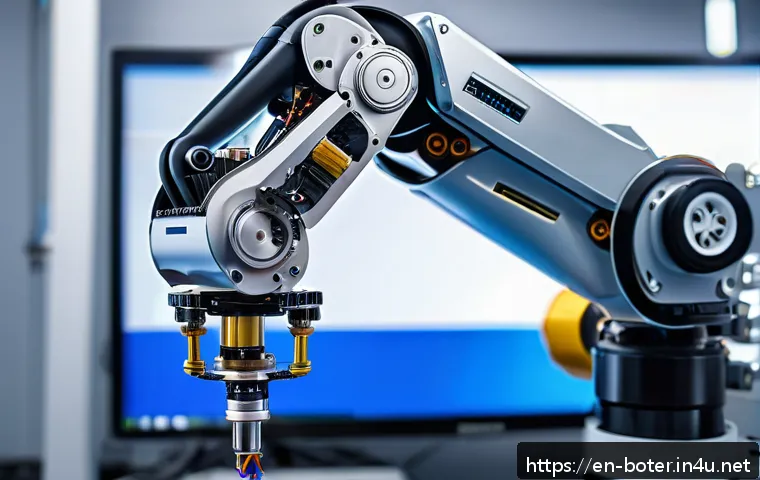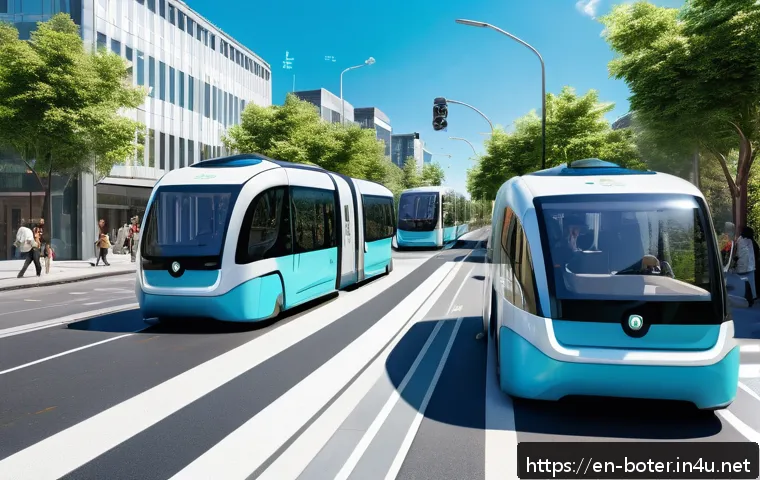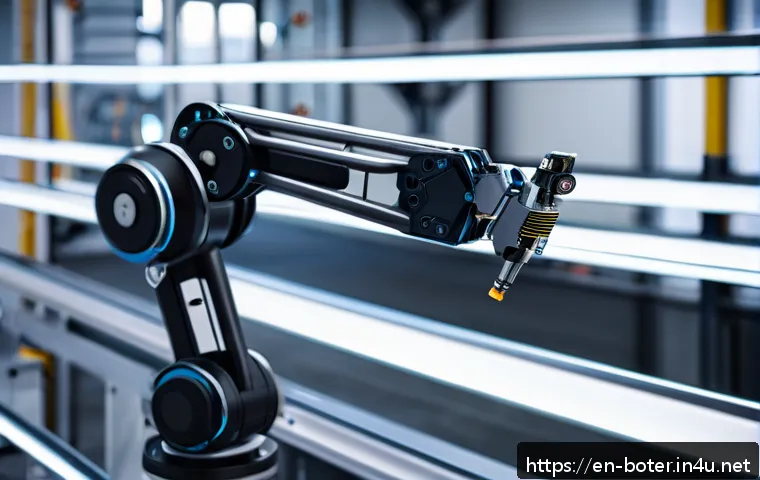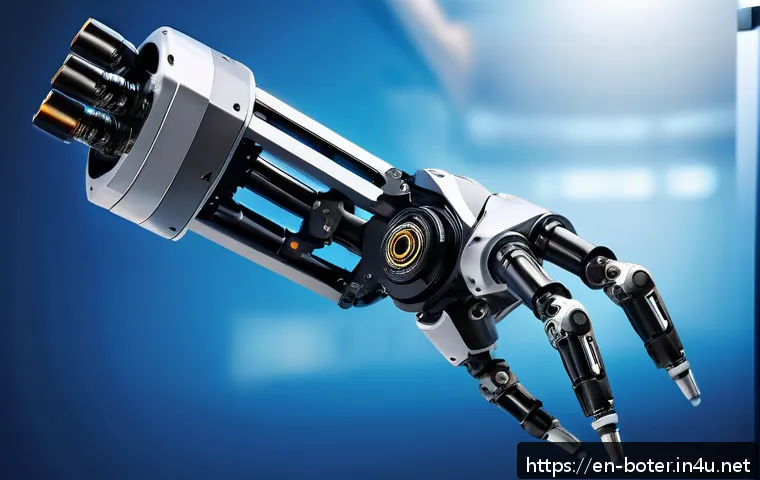
Have you ever paused to truly consider how robots have subtly, yet profoundly, reshaped our world? It’s absolutely wild to think back to those clunky, almost cartoonish contraptions of the mid-20th century, which really just did repetitive, dangerous tasks, and compare them to the incredibly sophisticated, intelligent machines we see today.
That incredible journey from basic automation to advanced intelligence wouldn’t have been possible without the brilliant minds behind the scenes: robotics engineers.
I’ve personally watched this field explode with innovation, and it’s fascinating to realize how these unsung heroes have continuously pushed the boundaries of what’s possible.
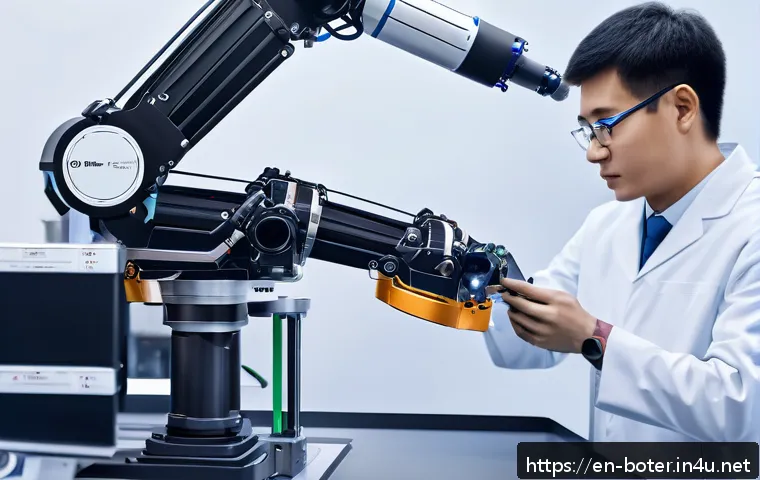
They’re the ones blending mechanical wizardry with electrical ingenuity and cutting-edge computer science to create robots that not only build our cars and package our goods but are also revolutionizing healthcare and even exploring other planets.
Today, we’re not just talking about industrial arms bolted to a factory floor; we’re diving deep into an era of AI-powered systems, where robots learn, adapt, and even work collaboratively alongside us humans, redefining efficiency and safety in ways we could only dream of before.
The integration of artificial intelligence means these machines are becoming more autonomous, capable of complex decision-making and precise execution, driving a transformative wave across manufacturing, logistics, and so many other sectors.
It truly feels like we’re on the cusp of an even bigger revolution. So, how exactly did these marvels evolve, and what truly cutting-edge trends are set to define the next chapter of robotics?
Let’s dive in and uncover the remarkable story together.
From Clunky Contraptions to Cutting-Edge Companions: A Robotics Journey
You know, it’s wild to think about how far robots have come in such a short time. I remember seeing those grainy black and white videos of early industrial robots, these massive, almost menacing machines designed for super specific, often dangerous tasks on the factory floor. Back then, the idea of a robot was pretty much synonymous with a car assembly line or some massive manufacturing plant. They were impressive in their brute force and precision for repetitive jobs, sure, but they were largely confined to cages, separated from human workers for safety. The focus was purely on efficiency and taking over tasks that were too dull, dirty, or dangerous for people. It was all about replacing human labor in specific contexts, which, while revolutionary at the time, felt a world away from the sci-fi dreams of intelligent machines. The engineers of that era were true pioneers, laying down the fundamental mechanical and control systems that even today’s advanced robots build upon. They figured out how to make these machines move, grip, and repeat actions with incredible accuracy, solving complex problems with the technology available to them. It really set the stage for everything that followed, showing us that machines could indeed be extensions of human will and ingenuity, albeit in a very limited capacity at first. It’s been an incredible evolution to witness, watching these metallic giants gradually transform into something far more intricate and integrated into our world.
The Birth of Industrial Might: Early Automation’s Impact
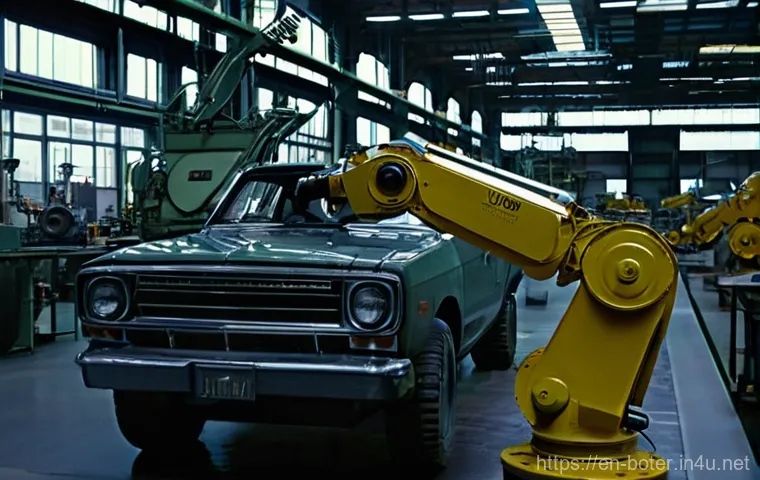
When you look back, the early days of industrial robotics were all about pure utility. Think about the automotive industry in the mid-20th century. Factories were transformed by these early robotic arms, dramatically speeding up production and ensuring consistent quality in tasks like welding and painting. I recall reading about how companies like Unimate and ASEA were absolutely groundbreaking in their time, bringing programmable manipulators into environments where human workers faced significant health risks or performed mind-numbingly repetitive actions. This shift wasn’t just about making things faster; it was about elevating safety standards and freeing up human potential for more complex, cognitive roles elsewhere in the production chain. These first-generation robots were powerful, yes, but also very rigid in their programming. They followed precise instructions, step-by-step, without deviation. Any change in the process meant a complete re-programming effort, which, while a massive step forward, certainly highlighted the limitations that future innovations would need to address. It truly laid the groundwork for the automated world we now take somewhat for granted.
From Fixed Functions to Flexible Forms: Expanding Beyond the Line
The transition from single-purpose factory giants to more versatile machines has been absolutely fascinating to observe. Initially, robots were anchored, literally and figuratively, to their specific station on the assembly line. But as computing power grew and sensors became more sophisticated, engineers began to envision robots that could do more, adapt to different tasks, and even navigate their environments. This push towards flexibility started to break robots out of their industrial cages. We began to see early iterations of mobile robots, even if they were still quite rudimentary. The underlying drive was always to expand the utility of robotics beyond repetitive manufacturing. This often involved breakthroughs in vision systems and improved motor control, allowing for a greater range of motion and more nuanced interaction with objects. It wasn’t just about lifting and placing anymore; it was about recognizing, sorting, and even making basic decisions based on sensory input. This paved the way for robots to move into logistics, packaging, and even laboratories, hinting at the much broader applications we enjoy today.
Robots Among Us: Integrating into Daily Life and Services
It’s truly incredible how the scope of robotics has exploded beyond the factory floor. I mean, who would’ve thought even a couple of decades ago that we’d have robotic vacuum cleaners diligently cleaning our homes, or automated guided vehicles (AGVs) zipping around massive warehouses, fulfilling orders faster than any human could? This isn’t just about making industrial processes more efficient anymore; it’s about making our everyday lives easier, safer, and more convenient. I’ve personally seen how these service robots have shifted from novelty items to genuinely useful tools. Think about how many hospitals now use robots to deliver medication, or how autonomous lawnmowers keep our yards tidy. These aren’t just one-off gadgets; they represent a fundamental change in how we interact with technology. The focus has moved from pure brute force and precision to aspects like navigation, human-robot interaction, and even aesthetics, because let’s be honest, no one wants a giant, clunky industrial arm in their living room. This expansion into service industries has opened up a whole new world of challenges and opportunities for robotics engineers, pushing them to think about user-friendliness, safety in shared spaces, and how robots can effectively collaborate with people outside of controlled industrial settings. It really underscores how much the field has matured and diversified.
Automating Our Homes: The Rise of Domestic Robotics
The thought of robots in our homes used to be pure science fiction, right? Yet, here we are, with robot vacuums like the Roomba becoming almost commonplace. I remember when they first came out, everyone thought they were a bit of a gimmick, but now, for many, they’re an indispensable part of keeping the house clean. Beyond vacuuming, we’re seeing robotic mops, window cleaners, and even kitchen assistants starting to appear. These devices highlight a shift in robotics design towards user-friendliness and autonomy within complex, unstructured environments – our homes! It’s a completely different challenge compared to a factory floor where everything is precisely laid out. For domestic robots, they need to navigate around furniture, avoid pets, understand various surfaces, and perform tasks reliably without constant human intervention. The convenience factor is huge; who wouldn’t want a little help with chores? As the technology improves, with better battery life, smarter navigation, and more versatile tools, I truly believe we’ll see even more sophisticated robots taking on a wider array of household duties, freeing up our time for more enjoyable pursuits.
Revolutionizing Service Industries: Beyond the Assembly Line
It’s not just our homes feeling the robotic touch; service industries are undergoing a massive transformation. Take healthcare, for example. I’ve heard incredible stories about surgical robots assisting doctors with unbelievable precision, leading to faster recovery times for patients. Then there are pharmacy robots accurately dispensing medication, reducing human error. In logistics, massive distribution centers now employ thousands of robots working in concert to sort packages and move inventory, ensuring your online orders arrive on time. Even in hospitality, we’re seeing robots greet guests, deliver room service, and assist with cleaning. What makes these service robots so impactful is their ability to perform repetitive or physically demanding tasks consistently, often 24/7, without fatigue. This allows human staff to focus on more empathetic, problem-solving, and creative aspects of their jobs. The integration of robots in these sectors isn’t about replacing people entirely, but rather augmenting human capabilities, improving service quality, and creating safer working conditions. It’s a win-win, really, making services more efficient and often more personalized.
The Brains Behind the Bots: AI and Machine Learning’s Impact
Okay, so robots have gotten pretty good at moving and doing things, but what really blew the doors open for me was when Artificial Intelligence and Machine Learning started truly integrating into robotics. This isn’t just about programming a robot to follow a set path anymore; it’s about giving them the ability to learn, adapt, and even make decisions in real-time. It’s like watching a child grow from simply mimicking actions to genuinely understanding and responding to their environment. This shift from purely programmed automation to intelligent autonomy is, in my opinion, the most exciting development in the field. When I first started following robotics, the idea of a robot learning from its mistakes or improving its performance over time seemed like something out of a futuristic movie. Now, it’s becoming commonplace. AI allows robots to process vast amounts of sensory data – from cameras, lidar, and other sensors – to perceive their surroundings with unprecedented accuracy. This enables them to navigate complex, dynamic environments, identify objects, and even anticipate human actions. It’s no longer just about doing a task; it’s about doing it intelligently and efficiently, even when faced with unexpected variables. This means robots can now perform more intricate assembly, handle delicate objects, and even engage in more natural human-robot interaction, which is a game-changer across industries.
Learning to See and Understand: Advanced Perception Systems
One of the biggest leaps in robotics thanks to AI has been in perception. Gone are the days when a robot only reacted to a pre-programmed obstacle detection sensor. Now, with advanced computer vision and machine learning algorithms, robots can “see” and interpret their environment with incredible detail. I’ve seen demonstrations where robots can identify different types of fruit on a conveyor belt, assess their ripeness, and even pick them without bruising. This capability goes far beyond simple object recognition; it involves understanding textures, shapes, and even the subtle dynamics of movement. Technologies like deep learning have enabled robots to build sophisticated 3D maps of their surroundings, recognize human gestures, and even interpret complex scenes. This makes them far more adaptable and safe, especially when operating in shared spaces with people. Imagine a robot in a warehouse intelligently navigating around moving forklifts and human workers, rather than just stopping every time it detects something in its path. That level of nuanced understanding is what AI brings to the table, making robots truly smart about their environment.
Adaptive Intelligence: Robots That Learn and Improve
The ability for robots to learn and improve on their own is nothing short of revolutionary. This isn’t just about receiving software updates; it’s about robots actively collecting data from their operations and using machine learning algorithms to refine their performance over time. I once watched a robotic arm tasked with sorting irregular objects, and over just a few hours, its success rate dramatically improved simply by learning from its previous attempts. This adaptive intelligence means robots can handle greater variability and uncertainty in tasks, which was previously a huge bottleneck. It’s particularly impactful in manufacturing tasks that require fine-tuning, or in dynamic environments where conditions can change rapidly. For example, a robot performing a delicate assembly task can learn the optimal force and trajectory needed through repeated trials, adjusting its movements based on tactile feedback. This capability significantly reduces the need for constant human supervision and reprogramming, allowing robots to operate more autonomously and efficiently. It’s a huge step towards truly self-sufficient robotic systems, fundamentally changing how we design and deploy them.
Working Side-by-Side: The Era of Collaborative Robots (Cobots)
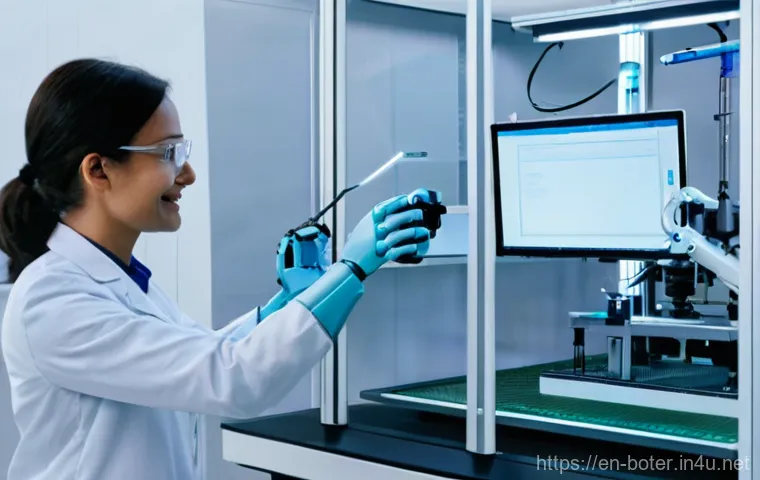
This is where things get really interesting for me – the rise of collaborative robots, or ‘cobots.’ For years, robots were locked away in cages, completely separated from human workers due to safety concerns. But cobots? They’re designed from the ground up to work *with* us, not just for us, or instead of us. It’s a completely different philosophy of automation. I remember thinking, “How can a heavy machine be safe next to a person?” but the engineering behind cobots is brilliant. They’re equipped with advanced sensors, often force-torque sensors, that allow them to detect contact and immediately stop or reduce force, preventing injury. The whole experience of seeing a cobot assist a human on an assembly line, handing them parts or holding something in place, is genuinely exciting. It transforms the workplace, allowing humans to focus on the intricate, cognitive, or creative parts of a job, while the cobot handles the repetitive or physically demanding aspects. This isn’t about replacing jobs; it’s about augmenting human capabilities and making work safer and more efficient. The human-robot team becomes more productive than either could be alone. It really does feel like we’re finally reaching a point where robots are true partners, rather than just tools, making the workplace more dynamic and innovative.
Safety First: Designing Robots for Human Collaboration
The core principle behind cobots is safety, plain and simple. It’s not just a feature; it’s fundamental to their design. I’ve seen how engineers have integrated incredibly sensitive sensors, often within the robot’s joints or on its surface, that allow these machines to detect even the slightest unexpected contact. If a cobot bumps into a human, it immediately halts or retracts, preventing any harm. This is a massive leap from traditional industrial robots, which often relied on large safety fences. Beyond physical safety, the programming of cobots often includes speed and force limitations, ensuring they operate within safe parameters when working in proximity to people. This human-centric design philosophy extends to intuitive interfaces and easy programming, allowing workers without extensive robotics expertise to set up and operate them. It’s all about building trust and comfort, making sure that humans feel safe and in control when working alongside their robotic counterparts. This emphasis on safety has really been the key to unlocking their potential in diverse applications, from small workshops to large manufacturing plants.
Boosting Productivity: The Synergies of Human-Robot Teams
The real magic of cobots shines through in how they boost productivity. It’s not about one replacing the other; it’s about creating a powerful synergy. I’ve witnessed examples where a human worker handles the delicate assembly of a circuit board, while a cobot assists by holding the board in place or applying a specific adhesive with perfect consistency. This frees the human from repetitive strain and allows them to focus their fine motor skills and cognitive abilities on the more complex aspects of the task. For small and medium-sized businesses, cobots are a game-changer, providing automation benefits without the massive overhead or rigid infrastructure required by traditional industrial robots. They are often lighter, more flexible, and easier to redeploy for different tasks, offering incredible versatility. This collaboration leads to fewer errors, higher quality products, and a significant increase in overall output. The human element still provides the judgment, creativity, and problem-solving, while the cobot handles the precision, power, and endurance. It truly is the best of both worlds, and I can only see these human-robot teams becoming more prevalent and sophisticated in the years to come.
Pushing the Boundaries: Robotics in Extreme and Unexpected Places
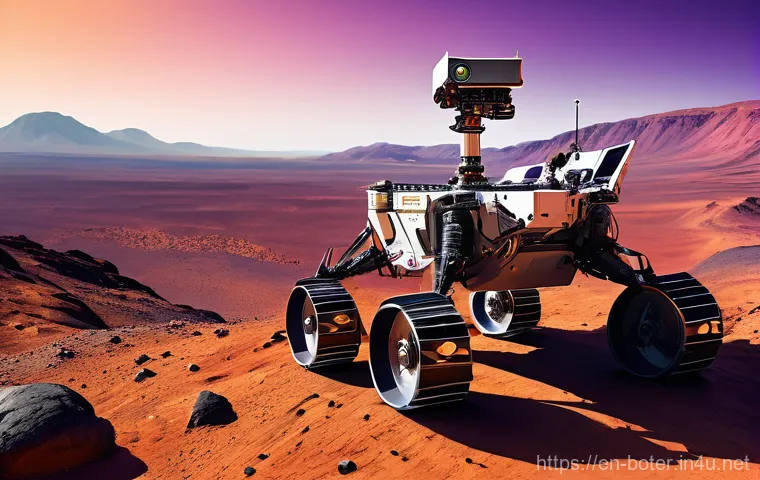
When we talk about robots, we often think of factories or homes, but the truth is, robotics engineers are deploying these incredible machines in environments that would be impossible or incredibly dangerous for humans. This is where the field really shows its incredible versatility and problem-solving power. I’ve been absolutely captivated by the stories of robots exploring other planets, delving into the deepest parts of the ocean, or even assisting in disaster zones. These are places where conditions are too harsh – extreme temperatures, crushing pressures, radiation, or sheer inaccessibility – for human exploration or intervention. Developing robots for these environments presents a unique set of challenges. It’s not just about making them robust; it’s about designing them to be autonomous, resilient, and capable of operating with limited communication. Think about the Martian rovers – they are essentially remote scientists, capable of analyzing terrain, collecting samples, and making scientific observations millions of miles from Earth. This kind of work pushes the absolute limits of materials science, power systems, AI, and remote control. It’s a testament to human ingenuity to create machines that can extend our senses and capabilities into realms we could only dream of before. The insights gained from these extreme missions often feed back into more common robotic applications, driving innovation across the board.
Exploring the Unseen: Deep Sea and Space Robotics
The sheer awe I feel when I think about robots exploring space or the deep ocean is immense. On Mars, rovers like Perseverance are drilling, collecting samples, and analyzing the planet’s geology, all while being controlled from Earth with significant time delays. These robots have to be incredibly robust, capable of surviving extreme temperatures, radiation, and dust storms without maintenance. Similarly, in the crushing depths of the ocean, remotely operated vehicles (ROVs) and autonomous underwater vehicles (AUVs) are discovering new species, mapping hydrothermal vents, and maintaining critical undersea infrastructure like oil pipelines and communication cables. Human divers simply cannot withstand the immense pressure and cold at these depths for extended periods. These underwater robots are equipped with specialized sensors, high-resolution cameras, and manipulators to perform delicate tasks in pitch black, high-pressure environments. The engineering marvel of creating systems that can operate reliably in such hostile conditions, often thousands of meters below the surface or millions of miles away, is truly mind-boggling. They are our eyes and hands in worlds otherwise inaccessible.
Robots in Crisis: Disaster Response and Humanitarian Aid
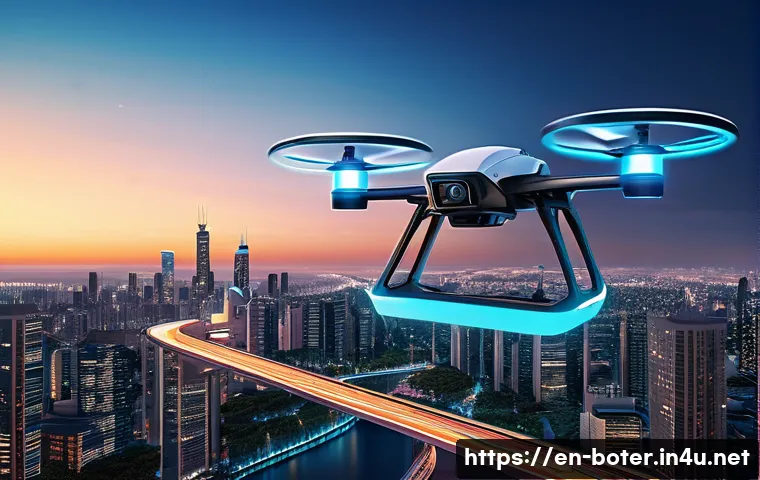
Another area where robots are proving invaluable is in disaster response. When earthquakes hit, buildings collapse, or chemical spills occur, the immediate aftermath is often too dangerous for human rescuers. This is where robots, particularly drones and ground robots, step in. I’ve read about incredible robots designed to crawl through rubble, equipped with cameras and sensors to search for survivors, map damaged areas, and assess structural integrity. Drones can provide aerial views of vast affected regions, helping coordinate rescue efforts and delivering essential supplies to isolated communities. In situations involving hazardous materials, specialized robots can enter contaminated zones to collect data, identify risks, or even perform decontamination procedures, protecting human lives. These robots aren’t just tools; they’re lifelines, providing critical information and assistance when every second counts. Their ability to operate in unstable, toxic, or otherwise unsafe environments makes them indispensable assets in humanitarian aid and emergency management, allowing us to respond more effectively and safely to the unforeseen challenges of our world.
Ethical Crossroads and the Future of Human-Robot Interaction
As robots become more sophisticated and integrated into our lives, we’re inevitably hitting some fascinating and sometimes challenging ethical crossroads. It’s not just about whether a robot *can* do something, but whether it *should*. I often find myself pondering the long-term societal impact of these intelligent machines. We’re moving beyond simple automation to a future where robots might make autonomous decisions that affect human lives, whether it’s in self-driving cars or advanced healthcare systems. This raises questions about accountability – who is responsible when a robot makes an error? Then there’s the impact on employment. While cobots might augment human workers, more advanced AI-powered robots could potentially displace jobs, requiring societies to rethink education, training, and economic structures. And let’s not forget the more philosophical aspects: as robots become more human-like in their interactions, even displaying rudimentary forms of “empathy” or “social intelligence,” where do we draw the line? How do we ensure these interactions remain beneficial and don’t blur the critical distinctions between human and machine in ways that could be detrimental? These aren’t easy questions, and there are no simple answers, but they are absolutely critical conversations we need to be having as the robotics revolution continues to unfold. It’s a complex tapestry of technological progress interwoven with human values and societal norms.
Defining Responsibility: Autonomy and Accountability in Robotics
One of the thorniest ethical questions we face with increasingly autonomous robots is accountability. If a self-driving car causes an accident, who is at fault: the manufacturer, the programmer, the owner, or the AI itself? As robots gain more decision-making capabilities, these questions become more pressing. For instance, in military robotics, if an autonomous weapon system makes a targeting decision, who bears the moral and legal responsibility for the outcome? There’s a global debate ongoing about ‘killer robots’ and the need for meaningful human control. It’s not about stifling innovation, but about establishing clear frameworks for responsibility and liability. We need robust legal and ethical guidelines to ensure that as robots become more intelligent and independent, there’s always a clear line of human oversight and accountability. This often involves developing transparent AI systems where the decision-making process can be understood and audited, rather than being a complete black box. It’s a fundamental challenge for lawmakers, engineers, and ethicists alike, and getting it right is crucial for public trust and the safe integration of advanced robotics.
Navigating the Social Landscape: Robots and Employment
The impact of robotics on employment is a topic that always sparks a lot of discussion, and rightly so. On one hand, you have the argument that robots create new jobs – in manufacturing, programming, maintenance, and oversight – and free humans from dangerous or monotonous work. I’ve seen firsthand how cobots can make human jobs safer and more engaging. However, it’s also true that certain types of jobs, particularly those involving highly repetitive manual tasks, are vulnerable to automation. The key, I believe, lies in adaptation and education. We can’t stop technological progress, but we can prepare for its consequences. This means investing in retraining programs, fostering lifelong learning, and encouraging skills that complement robots – creativity, critical thinking, problem-solving, and emotional intelligence. The future workforce will likely involve humans and robots working side-by-side, each leveraging their unique strengths. It’s about ensuring a smooth transition, creating new opportunities, and redesigning jobs to be more fulfilling for humans, rather than simply fearing job displacement. The conversation needs to shift from ‘robots taking jobs’ to ‘robots changing jobs,’ and how we can best navigate that transformation.
The Economic Engine: How Robotics is Fueling Growth and Innovation
It’s hard to overstate the economic impact of robotics. This isn’t just a niche technology anymore; it’s a massive, multi-billion-dollar industry that’s driving innovation and growth across virtually every sector. From boosting productivity in manufacturing to enabling entirely new service models, robots are fundamentally reshaping global economies. I’ve always been fascinated by how a single technological advancement can create so many ripple effects. The demand for robotics engineers, software developers, and specialized technicians has surged, creating high-value jobs. Companies investing in automation often see significant returns through reduced operational costs, increased production quality, and faster time-to-market for new products. This, in turn, allows them to be more competitive globally, leading to economic expansion. Beyond direct implementation, the robotics industry itself is a huge economic engine, attracting significant investment in research and development, fostering startups, and encouraging breakthroughs in related fields like AI, sensor technology, and advanced materials. It’s a virtuous cycle: innovation in robotics leads to economic benefits, which then fuels further investment and innovation. This isn’t just about big corporations either; small and medium-sized businesses are increasingly leveraging affordable and flexible robotic solutions to level the playing field, making them more efficient and competitive. It truly feels like we’re in the midst of a technological gold rush, and robotics is at the heart of it.
The Robotics Market: Growth, Investment, and Emerging Sectors
The numbers don’t lie – the global robotics market is experiencing phenomenal growth, and it’s showing no signs of slowing down. I’ve seen projections that estimate the market will reach hundreds of billions of dollars in the coming years. This growth is fueled by massive investments from venture capitalists, corporations, and governments, all keen to capitalize on the transformative potential of automation. Traditional industrial robotics still forms a significant portion, but the real acceleration is happening in service robotics, healthcare, logistics, and even agriculture. New startups are emerging constantly, bringing fresh ideas and specialized solutions to complex problems. For example, drone technology, once seen primarily as a hobbyist gadget, is now a multi-billion-dollar industry providing services in agriculture, infrastructure inspection, and delivery. This expanding market creates a vibrant ecosystem of innovation, where competition drives rapid advancements and makes robotics more accessible and affordable for a wider range of users. It’s an exciting time to be involved, or even just observing, as new sectors are continually being revolutionized by robotic solutions.
Economic Efficiency: Boosting Productivity and Reducing Costs
One of the most compelling arguments for adopting robotics, from an economic perspective, is the sheer boost in efficiency and reduction in operational costs. Robots don’t get tired, they don’t take breaks, and they perform repetitive tasks with consistent, often superhuman, precision. This translates directly into higher output, reduced waste, and improved product quality. For many businesses, particularly in manufacturing, this means they can compete more effectively on a global scale. I’ve heard countless stories of companies bringing manufacturing back to their home countries because automation made labor costs less of a deciding factor. Beyond direct production, robots streamline logistics, optimize inventory management, and even reduce energy consumption in some applications. The initial investment in robotics can be substantial, of course, but the long-term savings and gains in productivity often provide a rapid return on investment. It’s a strategic move for businesses looking to stay competitive, innovate faster, and maintain high standards of quality in an increasingly demanding market. The economic argument for robotics is becoming harder and harder to ignore.
The Next Frontier: AI Integration and Human-Robot Ecosystems
Looking ahead, it feels like we’re standing on the precipice of an even grander robotics revolution, one where the lines between human and machine become more fluid and collaborative. The future isn’t just about robots doing tasks; it’s about building complex human-robot ecosystems where intelligence is distributed and shared. I envision a world where AI isn’t just an add-on but is deeply embedded into the very fabric of robotic design, allowing for truly intelligent, adaptive, and even proactive machines. We’re talking about robots that can anticipate needs, learn complex human preferences, and operate with a level of intuition that goes far beyond current capabilities. Imagine personalized robotic assistants in homes and workplaces, not just following commands, but offering suggestions, optimizing schedules, and learning individual habits to provide truly bespoke support. This means breakthroughs in natural language processing, advanced emotional AI, and more sophisticated learning algorithms will be absolutely critical. The goal won’t just be efficiency; it will be enhancing human experience, fostering creativity, and tackling grand challenges like climate change and aging populations with intelligent, adaptable robotic partners. It’s an exciting, slightly daunting, but ultimately incredibly promising vision for what’s to come, and the innovation required to get there is going to be truly breathtaking. It’s a future where robots aren’t just tools, but integral, intelligent parts of our daily existence, pushing the boundaries of what society can achieve.
Seamless Coexistence: Advancements in Human-Robot Trust and Interaction
The future of robotics, to me, hinges on building seamless coexistence, which means fostering deep trust and intuitive interaction between humans and robots. It’s not enough for robots to be safe; they need to be understandable, predictable, and even pleasant to interact with. This involves huge advancements in human-robot interaction (HRI) design. Think about robots that can interpret complex human gestures, understand nuances in speech, and even infer emotional states, responding in ways that feel natural and reassuring. I’ve seen researchers working on robots that can read body language and adjust their behavior accordingly, which is mind-blowing. This level of interaction will be crucial for robots in service industries, healthcare, and personal assistance, where communication and rapport are key. It’s about creating interfaces that are so intuitive that operating a robot feels like extending your own body, or conversing with a helpful colleague. Building this trust will accelerate adoption and unlock even greater potential for robots to positively impact our lives, making them not just efficient workers, but trusted companions and assistants.
Robotics for Grand Challenges: Health, Environment, and Beyond
What truly excites me about the next wave of robotics is its potential to tackle some of humanity’s biggest challenges. We’re already seeing glimpses of this. In healthcare, miniature robots are being developed for minimally invasive surgery and targeted drug delivery, promising incredible breakthroughs in treatment. For environmental protection, robots are being designed to monitor pollution, clean up hazardous waste, and even assist in reforestation efforts. Agricultural robots are revolutionizing farming by precisely monitoring crop health, automating harvesting, and reducing the need for harmful pesticides, contributing to sustainable food production. Then there are exploration robots, pushing deeper into space and ocean, expanding our scientific knowledge. These aren’t just incremental improvements; these are applications that could fundamentally change the course of human well-being and planetary health. The integration of advanced AI with robust robotic platforms creates a powerful toolkit for addressing complex, global problems that require precision, endurance, and the ability to operate in challenging environments. This purpose-driven innovation is, in my opinion, where robotics will truly shine in the coming decades, making a profound and lasting impact on our world.
| Era | Key Focus | Example Applications | Impact on Society/Economy |
|---|---|---|---|
| Mid-20th Century (Early Industrial) | Repetitive, dangerous tasks; basic automation | Automotive assembly (welding, painting), heavy lifting in factories | Increased production efficiency, improved worker safety in specific roles, industrial growth |
| Late 20th – Early 21st Century (Advanced Industrial & Early Service) | Precision, flexibility, early sensory integration | Automated manufacturing, logistics (AGVs), early robotic vacuums, surgical assistants | Diversification of robot use, improved quality control, emergence of service robotics |
| Present Day (AI-Powered & Collaborative) | Intelligence, learning, human-robot collaboration, autonomy | Cobots, autonomous vehicles, advanced service robots (delivery, healthcare), exploration robots | Enhanced productivity, safer workplaces, new job categories, addressing complex societal challenges |
글을 마치며
And so, as we wrap up this incredible journey through the world of robotics, I truly hope you’ve felt the same awe and excitement that I do about how far these amazing machines have come. It’s been an absolute privilege to watch them evolve from those early, clunky contraptions to the sophisticated, intelligent companions we see today. The future, my friends, isn’t just about what robots can do for us, but what we can achieve together, hand-in-hand, or perhaps, hand-to-manipulator. It’s a thrilling prospect, isn’t it?
알아두면 쓸모 있는 정보
1. Cobots are your future colleagues: Forget sci-fi fears of robots taking over; collaborative robots (cobots) are designed to work *with* humans, not replace them. They’re making workplaces safer and boosting productivity by handling the repetitive tasks, letting us focus on the creative stuff.
2. AI is the secret sauce: The intelligence we see in modern robots isn’t just complex programming; it’s the power of AI and machine learning. This allows them to learn, adapt, and make decisions, giving them a level of autonomy that’s truly game-changing across every sector.
3. Robots are everywhere, even where you least expect: From vacuuming your living room to exploring the depths of the ocean or the surface of Mars, robots are pushing the boundaries of what’s possible. They’re tackling challenges in environments too dangerous or inaccessible for humans, extending our reach globally and beyond.
4. Ethical considerations are paramount: As robots become more integrated into society, questions of accountability, job displacement, and human-robot interaction are becoming increasingly important. It’s crucial we have these conversations now to shape a future where technology serves humanity responsibly.
5. The robotics industry is a massive economic driver: Beyond just automating tasks, robotics is fueling economic growth, creating new jobs, attracting huge investments, and spurring innovation in countless related fields. It’s truly an engine for progress on a global scale.
중요 사항 정리
So, what’s the big takeaway from our dive into robotics? First off, the evolution has been nothing short of spectacular. We’ve journeyed from cumbersome industrial workhorses, designed for specific, often dangerous factory tasks, to incredibly intelligent, adaptable, and collaborative machines that are now seamlessly integrating into our daily lives, homes, and service industries. It’s not just about brute force anymore; it’s about smarts, powered by AI and machine learning, allowing robots to perceive, learn, and make decisions with remarkable autonomy. This intelligence has unlocked the potential for true human-robot collaboration, where cobots aren’t replacing us, but empowering us to achieve more, safely and efficiently. And let’s not forget their incredible impact in extreme environments and crisis situations, pushing the boundaries of exploration and aid. Of course, with this progress come vital ethical discussions about responsibility and employment, which we absolutely must address thoughtfully. Ultimately, robotics is a powerful economic engine, driving innovation and shaping a future where technology works in harmony with humanity to solve grand challenges and enhance our world.
Frequently Asked Questions (FAQ) 📖
Q: What have been the biggest game-changers in robotics, really transforming them from simple machines to the intelligent systems we see today?
A: Oh, this is such a fantastic question, and one I absolutely love diving into! When I look back at the history of robotics, I see a few key moments that truly shifted everything.
Initially, it was all about automating repetitive, dangerous tasks. Think about the Unimate, the first industrial robot, put to work at a General Motors plant in 1961.
That was a huge deal, freeing human workers from grueling and hazardous jobs like lifting hot, die-cut metal parts. It showed the world that machines could be programmed to perform tasks with consistent precision, and honestly, that opened up a whole new realm of possibilities for manufacturing.
Then, as we moved into the 70s and 80s, we saw a massive leap with the integration of microprocessors and feedback control systems. This allowed robots to handle much more complex and precise tasks, like assembly and welding, with improved dexterity.
For example, the Stanford Arm, developed in 1969, was a big step because it was electrically powered and computer-controlled, laying the groundwork for many of the robotic arms we see today in various industries, including surgery and space exploration.
But the real game-changer, from my perspective, has been the marriage of robotics with artificial intelligence. Starting notably in the 90s and exploding into the 2000s, AI techniques like neural networks, deep learning, and reinforcement learning completely revolutionized how robots perceive, learn, and interact with the world.
Before AI, robots were just following pre-programmed instructions. Now, with AI, they can learn from data, recognize patterns, make decisions on the fly, and even adapt to new environments without needing explicit reprogramming for every single scenario.
This has allowed for things like mobile robots that can reason about their actions, advanced computer vision systems that help robots “see” and navigate, and even robots designed to provoke and react to emotions.
It’s this ongoing evolution, fueled by AI, that truly transformed them from rigid tools into the intelligent, adaptive, and increasingly autonomous partners we have today.
It’s truly mind-boggling how quickly things have progressed!
Q: With
A: I becoming such a huge part of robotics, what are some of the most exciting new applications we’re seeing or can expect to see in the near future? A2: Oh, this is where it gets really exciting, because AI is just supercharging what robots can do, and the possibilities feel endless!
I’ve been watching closely, and what’s emerging is far beyond just factory automation. We’re seeing AI push robots into roles that demand real intelligence and adaptability.
One of the biggest areas, and one that absolutely captivates me, is the rise of collaborative robots, or “cobots.” These aren’t your typical caged-off industrial giants; they’re designed to work safely alongside humans, almost like a partner.
Thanks to advanced sensors and AI-driven control systems, cobots can assist with tasks that require dexterity and precision, taking on the repetitive or physically demanding parts of a job, while humans handle the more complex decision-making and problem-solving.
It’s enhancing safety and flexibility in manufacturing, but I’m seeing them pop up in smaller businesses and dynamic environments too, which is just fantastic.
Beyond that, the integration of AI is leading to incredibly enhanced autonomy and real-time adaptation in robots. We’re talking about robots that can perform complex planning, recognize patterns, predict faults, and respond dynamically to changes in their environment.
This is critical for things like autonomous mobile robots (AMRs) in logistics and warehousing, which use AI to navigate complex spaces, avoid obstacles, and handle tasks like picking and sorting goods with amazing efficiency.
From my vantage point, it’s not just about speed anymore, but about intelligence in motion. And then there’s the truly transformative impact on sectors like healthcare and personal care.
We’re seeing AI-powered surgical robots that offer incredible precision, leading to better patient outcomes and faster recovery times. Beyond the operating room, I anticipate a huge surge in personal care robots designed to assist the elderly or those with disabilities.
Imagine a robot that helps with medication management, mobility, or even just provides companionship. These aren’t just gadgets; they’re truly enhancing quality of life and promoting independence.
It’s a future where robots aren’t just tools but become truly helpful assistants in our daily lives, and that’s a future I’m incredibly excited about.
Q: Beyond the factories, how are robots actually making a tangible difference in our everyday lives right now, and where do you think their impact will be felt most personally for us in the coming years?
A: This is probably the question I get asked the most, and it’s so important because it really brings robotics down to a personal level! When I started in this field, the idea of a robot outside a factory seemed like pure science fiction, but today, they’re quietly, yet profoundly, weaving themselves into the fabric of our everyday lives.
Right now, you’re probably interacting with robots more than you even realize! Think about those helpful robot vacuum cleaners like Roomba, or even robotic lawnmowers.
They’re taking over mundane household chores, freeing up our time for more important or enjoyable things. And while not always physical robots, smart home assistants like Alexa and Google Home use advanced AI and “robotic” principles in their operations to simplify daily tasks, from controlling lights to answering quick questions.
I personally love how my smart speaker reminds me of appointments – it’s a small thing, but it truly makes a difference. Looking ahead, I believe the most personal impact will definitely be felt in healthcare and personal assistance.
We’re already seeing sophisticated surgical robots allowing doctors to perform procedures with unprecedented precision, but that’s just the tip of the iceberg.
In the coming years, I fully expect to see more companion robots, especially for our aging populations, providing not just physical assistance with daily activities but also vital social interaction and monitoring.
These robots could help people maintain their independence and comfort at home for much longer, which is a huge deal for many families. Another area I’m keeping a very close eye on is transportation.
Self-driving cars, while still evolving, are a massive step towards a future where our commutes are safer and more efficient. And it’s not just cars; imagine delivery bots bringing your groceries right to your door.
These advancements promise to give us back precious time, reduce accidents, and even make transportation more accessible for everyone. It’s clear to me that robots are moving beyond being mere tools; they’re becoming integral parts of our support systems, both at home and in public spaces.
The future is definitely one where robots are not just efficient but genuinely enhance our quality of life, allowing us to focus on creativity, problem-solving, and truly human connections.
It’s a shift that’s both exciting and, frankly, a little bit awe-inspiring.